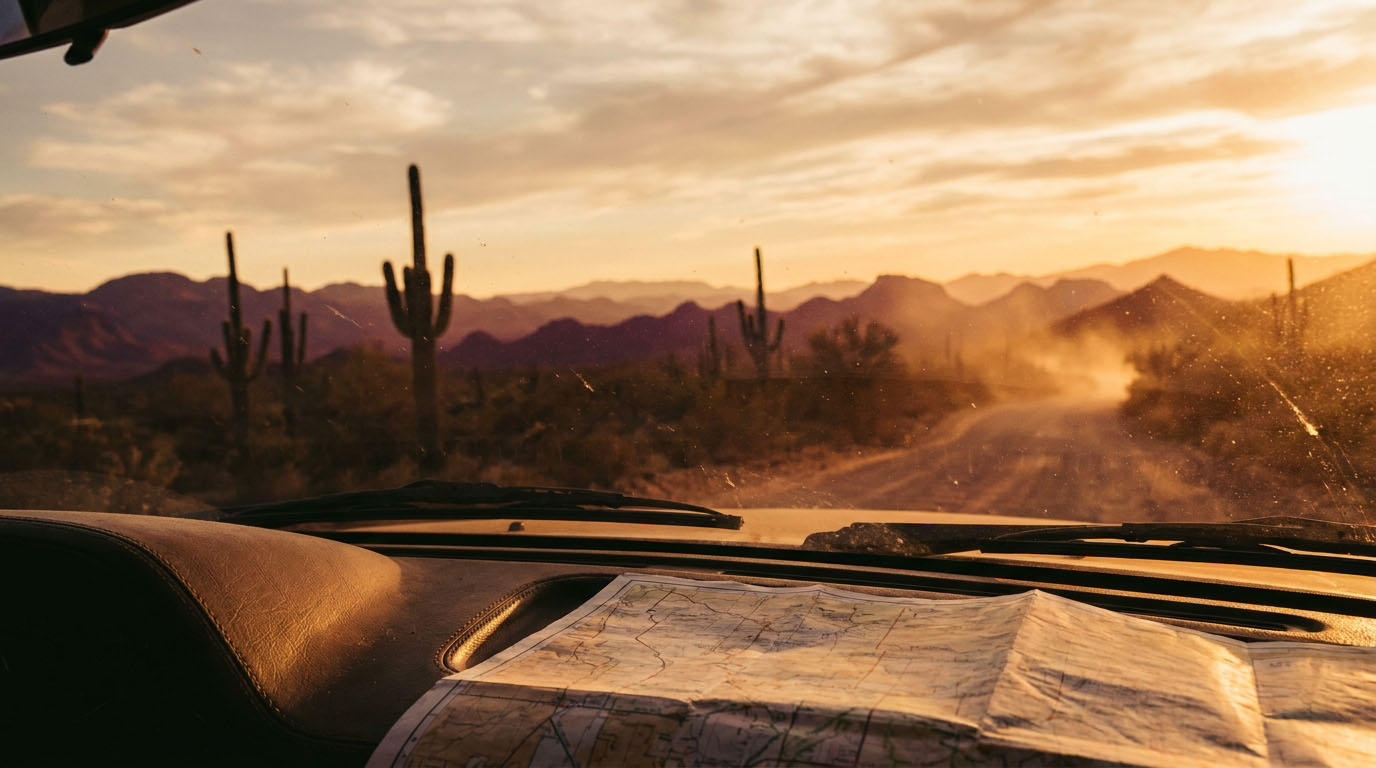
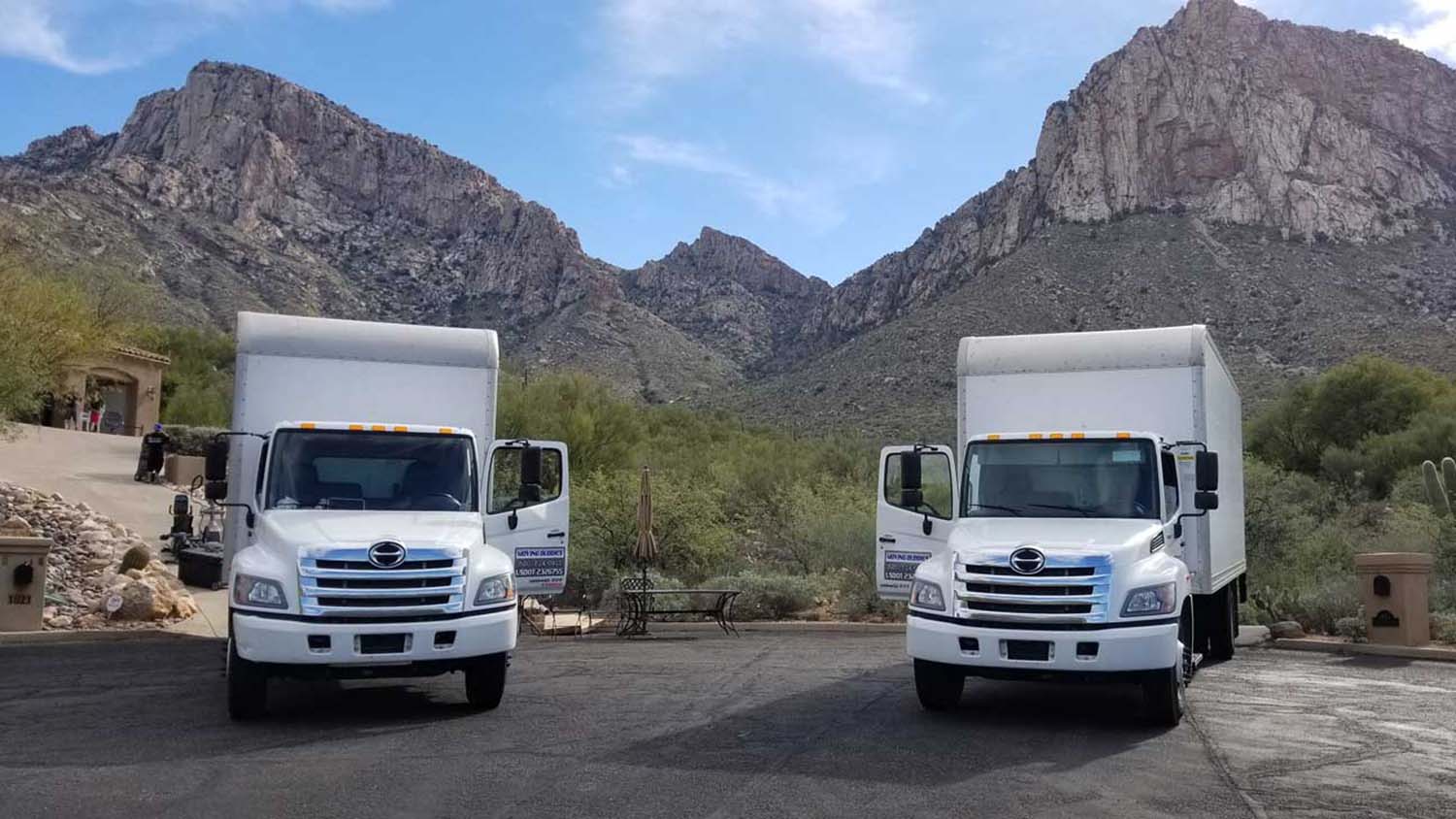
Moving to Tucson means adjusting to a city that combines desert landscapes, historic neighborhoods, mountain views, university culture, military influence, and a relaxed Southwestern pace.
Tucson is unlike many other major cities in the western United States. It is geographically spread out, environmentally distinctive, and deeply connected to the Sonoran Desert.
New residents often focus on the cost of housing or the weather, but a successful relocation requires understanding how Tucson functions throughout the year.
This guide covers several of the most important things to know before moving to Tucson, Arizona.
Tucson covers a broad geographic area, and different parts of the metropolitan region can feel considerably different from one another.
The greater Tucson area includes communities such as:
Travel times may appear short on a map but can vary based on major intersections, construction, school traffic, railroad crossings, and the time of day.
Before choosing a home, consider how often you will need to travel to:
A location that is farther from downtown may offer more space or newer development, but it may also create a longer daily commute.
Tucson is surrounded by one of the most biologically diverse desert environments in North America.
The landscape includes:
For new residents, desert living requires several practical adjustments.
Wildlife may appear in residential areas, particularly near open desert. Depending on the area, residents may encounter coyotes, javelinas, rattlesnakes, scorpions, bobcats, or other desert animals.
This does not mean desert living is dangerous, but it does mean homeowners should understand the environment.
Keep yards maintained, avoid leaving pet food outside, watch pets after dark, and use caution around brush, rocks, and storage areas.
Tucson summers are extremely hot, particularly during the afternoon.
Residents learn to organize daily routines around the heat. Outdoor work, exercise, moving, landscaping, and errands are often easier during the morning.
New residents should prepare for:
A reliable cooling system is essential.
Before renting or purchasing a home, ask about:
Homes with older cooling systems or poor energy efficiency may be more expensive to operate during the summer.
The summer monsoon can bring sudden rain, lightning, wind, dust, and localized flooding.
A clear afternoon can change rapidly, and streets that are normally dry may temporarily collect water.
New residents should understand several basic precautions:
Monsoon storms are an important part of life in southern Arizona. They can cool the air temporarily and create dramatic skies, but they can also disrupt traffic and outdoor plans.
Tucson housing includes a broad range of architectural styles and development patterns.
Depending on the area, buyers and renters may encounter:
Older homes may offer character, mature landscaping, and central locations. They may also require updates to electrical systems, plumbing, roofing, windows, cooling, or insulation.
Newer communities may offer modern floor plans, energy-efficient features, neighborhood amenities, and homeowners associations.
Neither option is automatically better. The right choice depends on your budget, location priorities, maintenance preferences, and long-term plans.
Many Tucson-area communities have homeowners associations, particularly newer subdivisions, gated communities, townhome developments, and planned communities.
Before buying or renting, review the applicable rules.
HOA regulations may address:
Fees and enforcement practices vary.
Buyers should review association documents carefully and understand how the rules may affect their intended use of the property.
Tucson has public transportation, bicycle infrastructure, rideshare services, and pedestrian-friendly areas, but most residents rely heavily on personal vehicles.
Daily transportation should be considered when selecting a neighborhood.
Think about:
Some neighborhoods offer convenient access to shopping, dining, and employment. Others provide quieter residential settings but require more driving.
Tucson is not simply a smaller version of Phoenix.
Its identity is influenced by:
The city’s food culture is especially important to its identity.
Residents will find everything from long-established Mexican restaurants and neighborhood bakeries to food trucks, fine dining, breweries, coffee shops, and international cuisine.
Exploring local businesses is one of the best ways to understand Tucson.
Although summer afternoons can limit outdoor activity, Tucson offers extensive recreational opportunities.
Popular activities include:
The surrounding mountains provide access to higher elevations and cooler conditions.
Residents can experience desert trails, pine forests, canyons, grasslands, and mountain overlooks without traveling far from the metropolitan area.
Always plan according to temperature, elevation, water availability, and trail conditions.
Tucson winters are one of the region’s strongest attractions.
Daytime conditions are often comfortable enough for outdoor activities, dining, events, hiking, and home projects.
However, desert nights can become surprisingly cold.
New residents should not assume that winter clothing, heating systems, or pipe protection are unnecessary. Temperatures vary by elevation and location, and occasional freezes can occur.
The cost of electricity, water, gas, internet, and waste service depends on the property and service area.
Before signing a lease or purchasing a home, request historical utility information when available.
Factors affecting utility costs include:
A lower purchase price or rent payment does not always mean lower monthly ownership or occupancy costs.
Traditional lawns are less common than in many other parts of the country.
Tucson homes may use:
Desert landscaping still requires maintenance.
Weeds can grow quickly after seasonal rain, irrigation systems can leak, trees need trimming, and certain plants require specialized care.
Homeowners should also understand how landscaping affects drainage and the foundation area.
For people moving during late spring or summer, moving-day preparation is particularly important.
Schedule early when possible and make sure:
Items such as candles, electronics, vinyl records, artwork, medications, plants, and certain household products can be affected by extreme heat.
Discuss heat-sensitive belongings with your moving company before loading.
Relocating to Tucson involves more than learning a new route to work.
New residents must adjust to:
The first year provides the clearest understanding of how Tucson changes from season to season.
Moving to Tucson can offer access to desert scenery, outdoor recreation, distinct neighborhoods, regional culture, and a lifestyle that differs considerably from many other metropolitan areas.
A successful transition begins with realistic expectations.
Research the neighborhood, understand the home’s cooling system, account for transportation, prepare for desert conditions, and plan the physical move according to the season.
Moving Buddies Tucson AZ helps individuals and families relocate throughout Tucson, Oro Valley, Marana, Sahuarita, Vail, Green Valley, and surrounding southern Arizona communities.
Contact Moving Buddies Tucson AZ to discuss your moving date, inventory, access conditions, and relocation needs.

A practical guide to managing the overlapping timelines of selling a home, purchasing another property, and completing the physical move.

A step-by-step guide to preparing a Tucson-area home for sale, from repairs and decluttering to photography, showings, and moving logistics.
A practical comparison of buying first and selling first, including financing, timing, negotiation, temporary housing, and moving considerations.



.svg)
