Long-Distance Moving Services in Tucson, AZ

Careful Planning for Moves Beyond the Tucson Area

Long-distance moving requires more planning than a typical move across town. Belongings may remain in transit longer, travel over highways, experience changes in temperature and elevation, and pass through multiple stages of handling.

Moving Buddies Tucson AZ provides long-distance moving services for customers relocating from Tucson to destinations elsewhere in Arizona and, when available and properly arranged, locations beyond the state.

Our approach emphasizes accurate planning, careful preparation, secure loading, clear communication, and realistic expectations about transportation and delivery.

The exact service model depends on the destination, shipment size, schedule, transportation requirements, and whether the move is completed directly by Moving Buddies or coordinated with another properly authorized transportation provider.

What Long-Distance Moving Services Include

The scope of service can be adjusted based on the customer’s needs.

Long-distance moving services may include:

  • Pre-move inventory review
  • Furniture protection
  • Full or partial packing
  • Specialty-item preparation
  • Furniture disassembly
  • Loading
  • Transportation or transportation coordination
  • Unloading
  • Furniture placement
  • Selected furniture reassembly
  • Packing-material assistance
  • Storage coordination
  • Delivery to more than one destination
  • Moving into a residence, apartment, storage facility, or retirement community

Crating, unpacking, specialty-item moving, and additional protection can be discussed when required.

What Qualifies as a Long-Distance Move

The term “long-distance move” can describe several different types of relocation.

Statewide Arizona Moves

A statewide move begins and ends within Arizona but travels beyond the immediate Tucson service area.

Examples may include moves between Tucson and:

  • Phoenix
  • Mesa
  • Scottsdale
  • Tempe
  • Chandler
  • Gilbert
  • Flagstaff
  • Prescott
  • Sedona
  • Yuma
  • Sierra Vista
  • Lake Havasu City
  • Other Arizona communities

These moves remain within Arizona but may still require extensive travel, careful scheduling, and long-distance loading procedures.

Interstate Moves

An interstate move crosses a state line.

Interstate household-goods transportation is subject to federal operating, documentation, insurance, and consumer-protection requirements. The transportation portion must be completed by a carrier with the appropriate authority or through a properly structured arrangement with an authorized provider.

Customers should confirm:

  • Who will transport the shipment
  • Which company is the authorized carrier
  • Whether any broker or third-party provider is involved
  • Which company will take possession of the belongings
  • How pickup and delivery will be scheduled
  • What documentation will govern the move

Moving Buddies will explain the available service structure for the requested destination before the move is booked.

Long-Distance Labor-Only Moves

Some customers arrange their own transportation through:

  • Rental trucks
  • Portable storage containers
  • Freight trailers
  • Customer-owned trailers
  • Moving-container companies

In these cases, Moving Buddies may provide packing, loading, or unloading labor while the customer or another company handles transportation.

When Long-Distance Moving Service Is Helpful

Professional long-distance moving assistance may be useful when:

  • Relocating to another Arizona city
  • Moving across state lines
  • Transferring for employment
  • Moving closer to family
  • Downsizing or retiring
  • Relocating a household into storage
  • Moving from Arizona to another region
  • Returning to Tucson from another location
  • Coordinating a move with a home closing
  • Moving belongings to multiple destinations
  • Transporting furniture that needs additional protection
  • Managing a move without help from friends or family

Long-distance service can cover an entire household or a smaller shipment, depending on availability and destination.

How Moving Buddies Approaches Long-Distance Moving

Building a More Complete Inventory

A detailed inventory is especially important for long-distance moves.

The inventory helps determine:

  • Shipment size
  • Estimated labor
  • Transportation needs
  • Vehicle or container capacity
  • Packing requirements
  • Furniture-protection needs
  • Specialty-item handling
  • Possible weight or volume limitations
  • Delivery planning
  • Estimate accuracy

Customers should disclose items in garages, sheds, patios, attics, storage units, and other areas that are easy to overlook.

Preparing Belongings for Extended Transportation

Furniture that may be acceptable for a short local trip can require additional protection for a longer journey.

Preparation may include:

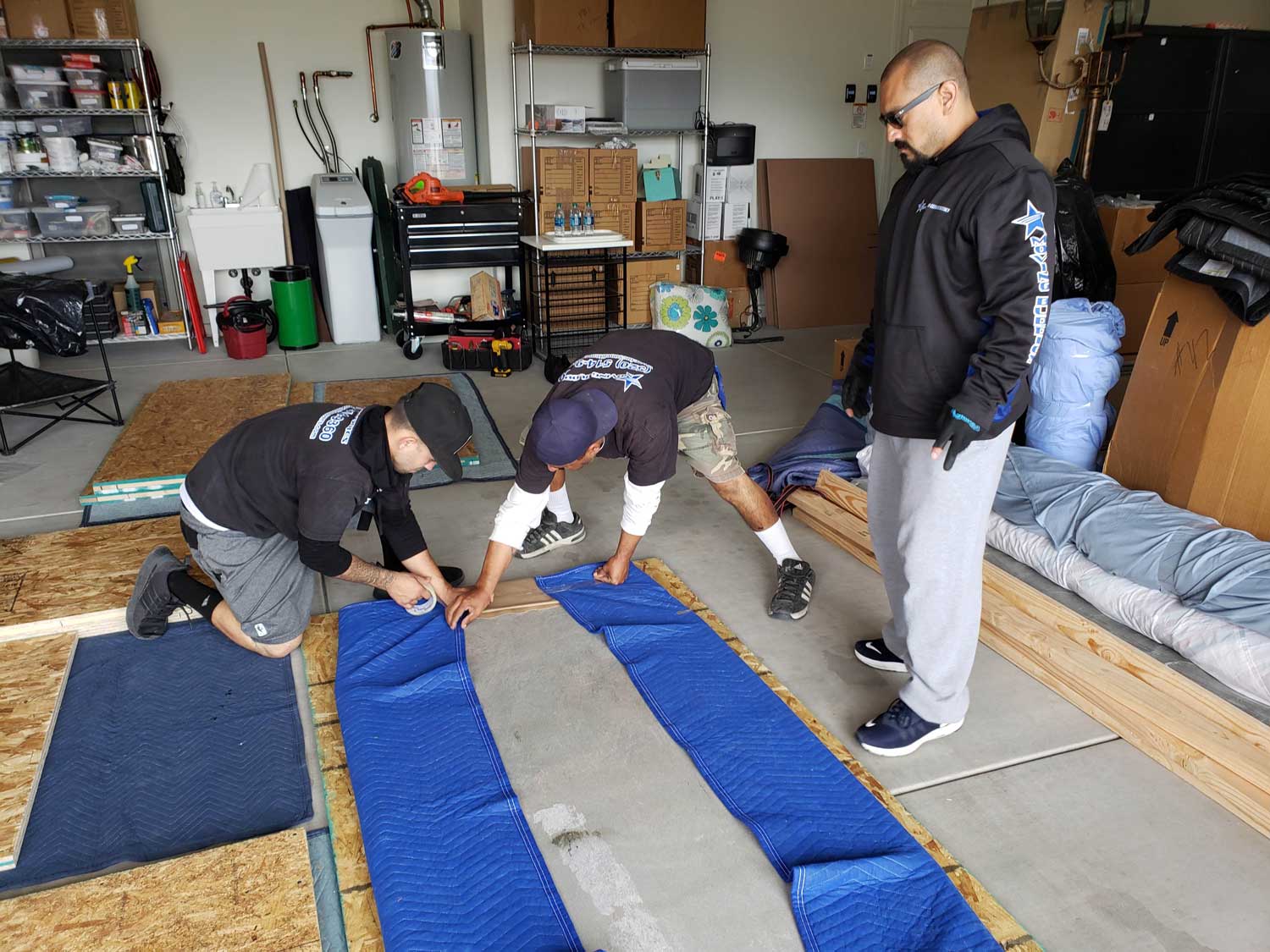
  • Wrapping furniture with moving blankets
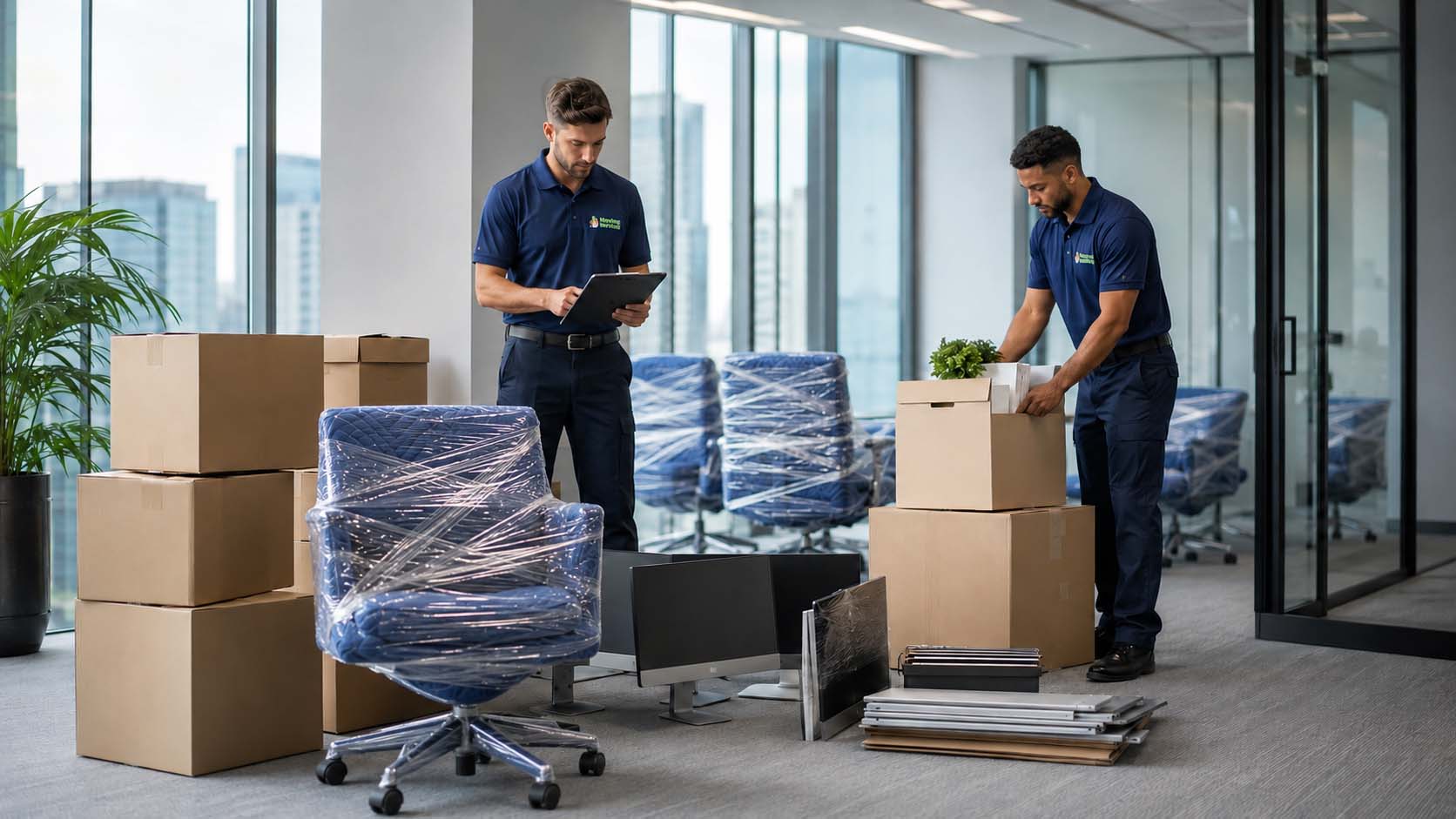
  • Securing blankets with stretch wrap
  • Protecting corners and finished surfaces
  • Removing loose shelves
  • Detaching fragile components
  • Disassembling selected furniture
  • Protecting mattresses
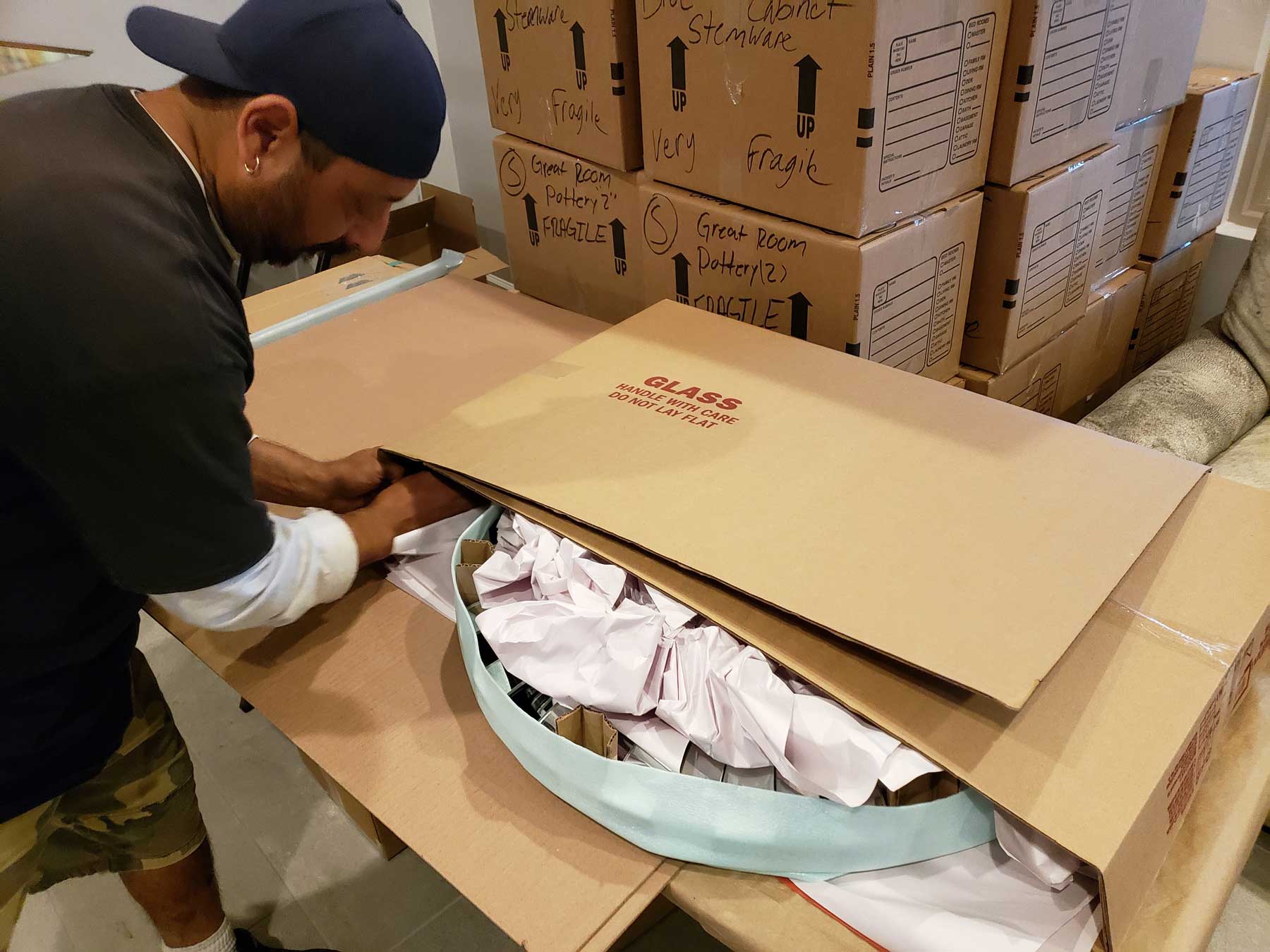
  • Packing glass and mirrors separately
  • Securing drawers and doors
  • Crating especially delicate items

The correct protection depends on the item and transportation method.

Loading for Distance, Not Just Space

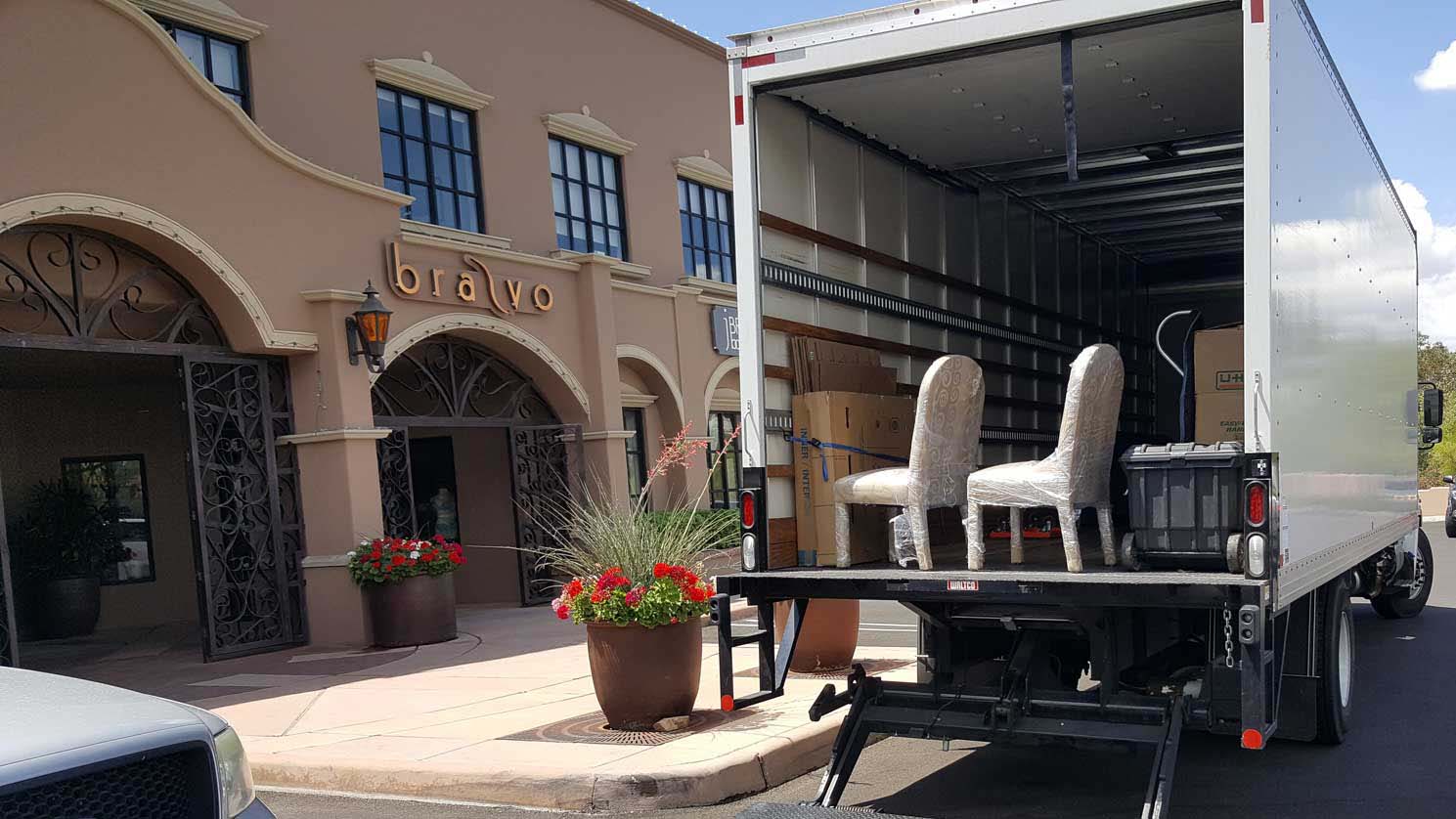
Long-distance loading should account for prolonged movement and vibration.

The crew may consider:

  • Weight distribution
  • Stable stacking
  • Furniture orientation
  • Fragile-item placement
  • Load compression
  • Tie-down placement
  • Empty-space reduction
  • Delivery order
  • Protection from metal walls and flooring
  • Items that must remain accessible

The goal is to create a secure, organized load that can better withstand extended transportation.

Planning the Delivery

Long-distance delivery requires coordination between travel time, customer availability, property access, and any applicable delivery window.

Before departure, confirm:

  • Destination address
  • Delivery contact
  • Parking conditions
  • Stairs or elevators
  • Building restrictions
  • Access hours
  • Storage-facility hours
  • Furniture-placement plan
  • Required delivery documentation
  • Backup contact information

The customer should remain reachable throughout the transportation period.

Direct Moving Versus Consolidated Moving

Long-distance shipments can be transported through different service models.

Direct Service

With direct service, one shipment typically travels in a dedicated vehicle or designated load from origin to destination.

Potential advantages may include:

  • Fewer handling stages
  • More direct scheduling
  • Reduced risk of mixing shipments
  • Clearer custody of belongings
  • More predictable routing

Direct service may cost more for small shipments because the transportation capacity is reserved primarily for one customer.

Consolidated Service

With consolidated transportation, multiple customers’ shipments may share the same vehicle or trailer.

Potential advantages may include:

  • Greater transportation efficiency
  • Lower cost for some smaller shipments
  • Broader destination coverage

Possible tradeoffs may include:

  • Longer delivery windows
  • Additional handling
  • Multiple stops
  • More complex scheduling
  • Increased need for accurate inventory labeling

Customers should understand which service model is being offered before agreeing to the move.

Carrier, Broker, and Labor Provider Roles

Long-distance moving arrangements may involve different types of companies.

Carrier

A carrier physically transports the shipment using its own operating authority or other legally permitted arrangement.

Broker

A broker arranges transportation with another carrier but may not physically transport the goods.

Labor Provider

A labor provider may pack, load, or unload the shipment without providing interstate transportation.

Customers should know which company is filling each role and which company will be responsible for the belongings during each stage.

Packing for a Long-Distance Move

Use Strong, Consistent Boxes

Long-distance shipments benefit from sturdy moving boxes that can be stacked securely.

Recommended box sizes commonly include:

  • 1.5-cubic-foot small boxes for books, tools, canned goods, and dense items
  • 3.0-cubic-foot medium boxes for general household belongings
  • 4.5-cubic-foot large boxes for lightweight, bulky items

Avoid packing heavy belongings into large boxes.

Fill Boxes Completely

Partially filled boxes can collapse under the pressure of stacking.

Use blank packing paper, linens, or another suitable cushioning material to fill open space and reduce shifting.

Protect Fragile Items Individually

Dishes, glassware, decorations, and other breakable items should be wrapped individually.

For many household items, Moving Buddies recommends generous use of blank newsprint packing paper rather than relying on loosely placed cushioning.

Seal and Label Every Box

Each box should be:

  • Fully closed
  • Taped securely
  • Labeled with the destination room
  • Marked when fragile
  • Identified when it contains priority items
  • Assigned to the correct delivery destination

Avoid open-top boxes and loosely packed containers.

Furniture Preparation

Before moving day:

  • Empty furniture as directed
  • Remove loose shelves
  • Secure removable components
  • Disconnect electronics
  • Remove bedding
  • Photograph complicated furniture
  • Place hardware in labeled bags
  • Identify pre-existing damage
  • Remove fragile decorative pieces
  • Confirm whether glass or stone surfaces need separate packing

Furniture should not be disassembled unless the person doing so understands how it will be reassembled.

Specialty Items

Some belongings require additional planning for a long-distance move.

Examples include:

  • Fine art
  • Antiques
  • Large mirrors
  • Glass tabletops
  • Marble or stone pieces
  • Pianos
  • Safes
  • Exercise equipment
  • Large appliances
  • Motorized furniture
  • Aquariums
  • Sculptures
  • Oversized furniture
  • Sensitive electronics
  • Collectibles

Moving Buddies may request photographs, dimensions, manufacturer information, or estimated weight before including these items in an estimate.

Custom crating or a specialty transportation provider may be recommended for certain items.

Long-Distance Moving and Storage

Storage may be needed when:

  • The new residence is not ready
  • Closing dates do not align
  • The customer is moving into temporary housing
  • The destination has limited space
  • Delivery must be delayed
  • The customer is downsizing
  • Belongings are being divided between destinations

Storage arrangements should be confirmed before pickup.

Important questions include:

  • Who will store the shipment
  • Whether the storage is climate controlled
  • How the shipment will be inventoried
  • Whether it will be handled again
  • When redelivery can occur
  • What storage and redelivery charges may apply
  • How access to stored belongings will work

Delivery Windows and Scheduling

Long-distance moves may use either a scheduled delivery date or a delivery window.

Delivery timing can be affected by:

  • Travel distance
  • Weather
  • Traffic
  • Road closures
  • Vehicle conditions
  • Required rest periods
  • Multiple shipment stops
  • Storage arrangements
  • Building restrictions
  • Customer availability
  • Unforeseen transportation delays

Customers should avoid scheduling critical travel, closings, work obligations, or move-in appointments too close to an estimated delivery time unless the date has been firmly confirmed.

Moving During Arizona Heat

Long-distance moves from Tucson often begin in extreme heat.

High temperatures can affect:

  • Crew pace
  • Customer safety
  • Electronics
  • Candles and wax products
  • Adhesives
  • Artwork
  • Musical instruments
  • Plants
  • Food
  • Medications
  • Sensitive liquids
  • Furniture finishes

Temperature-sensitive items should be identified before the move and may need to travel with the customer in a climate-controlled vehicle.

Items Customers Should Transport Personally

Certain items should generally remain with the customer.

These may include:

  • Medications
  • Identification
  • Passports
  • Financial documents
  • Legal paperwork
  • Cash
  • Jewelry
  • Keys
  • Irreplaceable photographs
  • Small heirlooms
  • Electronic backups
  • Laptops containing sensitive data
  • Travel documents
  • Items needed immediately upon arrival

Prepare a personal travel kit before moving day.

Prohibited or Restricted Items

Moving vehicles and storage providers commonly restrict hazardous, flammable, explosive, perishable, or unstable materials.

Restricted items may include:

  • Gasoline
  • Propane
  • Ammunition
  • Fireworks
  • Paint
  • Certain chemicals
  • Pesticides
  • Compressed gases
  • Open liquids
  • Perishable food
  • Some plants
  • Corrosive materials
  • Items prohibited by law or carrier policy

Customers should request the applicable prohibited-items list before packing.

Valuation and Protection Options

Customers should understand the protection terms that apply to their shipment before moving day.

Important questions include:

  • What valuation option is included
  • Whether additional protection is available
  • How high-value items must be declared
  • What documentation is required
  • Whether owner-packed boxes are treated differently
  • Which exclusions apply
  • How claims must be submitted
  • Whether third-party insurance is appropriate

Valuation is not necessarily the same as traditional insurance. Customers should review the written terms rather than relying on verbal descriptions.

Documents for a Long-Distance Move

Depending on the service model, customers may receive documents such as:

  • Estimate
  • Order for service
  • Bill of lading
  • Inventory
  • Valuation selection
  • Packing-service agreement
  • Storage agreement
  • Prohibited-items notice
  • Delivery acknowledgment
  • Consumer-rights information

Review documents before signing and keep copies accessible during the move.

Do not pack moving documents inside the shipment.

Avoiding Common Long-Distance Moving Problems

Incomplete Inventory

Unlisted items can affect the price, vehicle capacity, labor time, and delivery schedule.

Last-Minute Packing

Poorly packed or open containers are harder to load securely and may increase handling time.

Underestimating Access

Stairs, elevators, long carries, restricted parking, and narrow entrances can significantly affect delivery.

Choosing Equipment That Is Too Small

A truck or container that is too small may require a second trip, additional container, shipment reduction, or revised transportation plan.

Unclear Delivery Expectations

Customers should understand whether they are receiving an exact date, estimated date, or delivery window.

Failing to Identify High-Value Items

Valuable, fragile, or irreplaceable belongings may require special documentation and preparation.

Preparing the Origin Residence

Before the crew arrives:

  • Complete packing
  • Label all boxes
  • Separate prohibited items
  • Set aside personal travel belongings
  • Clear hallways and exits
  • Reserve parking
  • Confirm building access
  • Disconnect approved electronics
  • Empty appliances as directed
  • Identify items that are not moving
  • Photograph high-value belongings
  • Confirm the inventory
  • Keep children and pets away from work areas
  • Provide contact information
  • Keep moving documents accessible

The customer or an authorized representative should remain available throughout loading.

Preparing the Destination

Before delivery:

  • Confirm the address
  • Activate utilities
  • Reserve elevators
  • Arrange parking
  • Obtain keys and access codes
  • Measure doorways
  • Prepare a furniture plan
  • Clear rooms
  • Confirm storage access
  • Protect sensitive flooring when needed
  • Identify where boxes should go
  • Confirm who will accept delivery
  • Keep payment and documentation available

Clearly labeling rooms can make unloading more efficient.

Preparation Tips

To prepare for a long-distance move:

  • Begin planning early
  • Create a complete inventory
  • Request written service details
  • Confirm who will transport the shipment
  • Understand the delivery schedule
  • Review valuation options
  • Disclose specialty items
  • Use strong moving boxes
  • Fill and seal boxes completely
  • Label by room and destination
  • Keep medications and documents with you
  • Separate prohibited materials
  • Confirm parking and building rules
  • Prepare for possible schedule changes
  • Keep important contact information accessible
  • Photograph valuable items
  • Review all paperwork before signing

Do not rely on assumptions about what is included in the service.

Factors That Affect Long-Distance Moving Cost

Long-distance pricing may be influenced by:

  • Distance
  • Shipment size
  • Weight or volume
  • Labor requirements
  • Packing services
  • Packing materials
  • Specialty items
  • Furniture disassembly
  • Origin access
  • Destination access
  • Stairs
  • Elevators
  • Long carries
  • Storage
  • Delivery timing
  • Additional stops
  • Transportation model
  • Seasonal demand
  • Required equipment
  • Valuation selection

A complete inventory and accurate access information are essential for a meaningful estimate.

Getting an Accurate Estimate

To receive a more accurate long-distance moving estimate, be prepared to provide:

  • Origin address
  • Destination address
  • Preferred moving date
  • Acceptable delivery timeframe
  • Type and size of residence
  • Complete room-by-room inventory
  • Approximate box count
  • Major furniture and appliances
  • Garage, patio, shed, and storage contents
  • Heavy or specialty items
  • Packing-service needs
  • Crating requirements
  • Number of stairs
  • Elevator availability
  • Walking distance
  • Parking conditions
  • Building restrictions
  • Storage needs
  • Additional delivery stops
  • Furniture disassembly requirements
  • Photographs or video when requested

Moving Buddies Tucson AZ can use this information to evaluate the requested move, explain the available service structure, and identify the preparation and transportation requirements before scheduling.

Moving Solutions Tailored for You

Ready To Begin Your Journey? Our
Experts Are Here To Help.
GET A QUOTE