Packing Supplies in Tucson, AZ

Professional Materials for a Better-Protected Move

Good packing begins with the right materials. Weak boxes, insufficient packing paper, and low-quality tape can make even a carefully planned move more difficult than it needs to be.

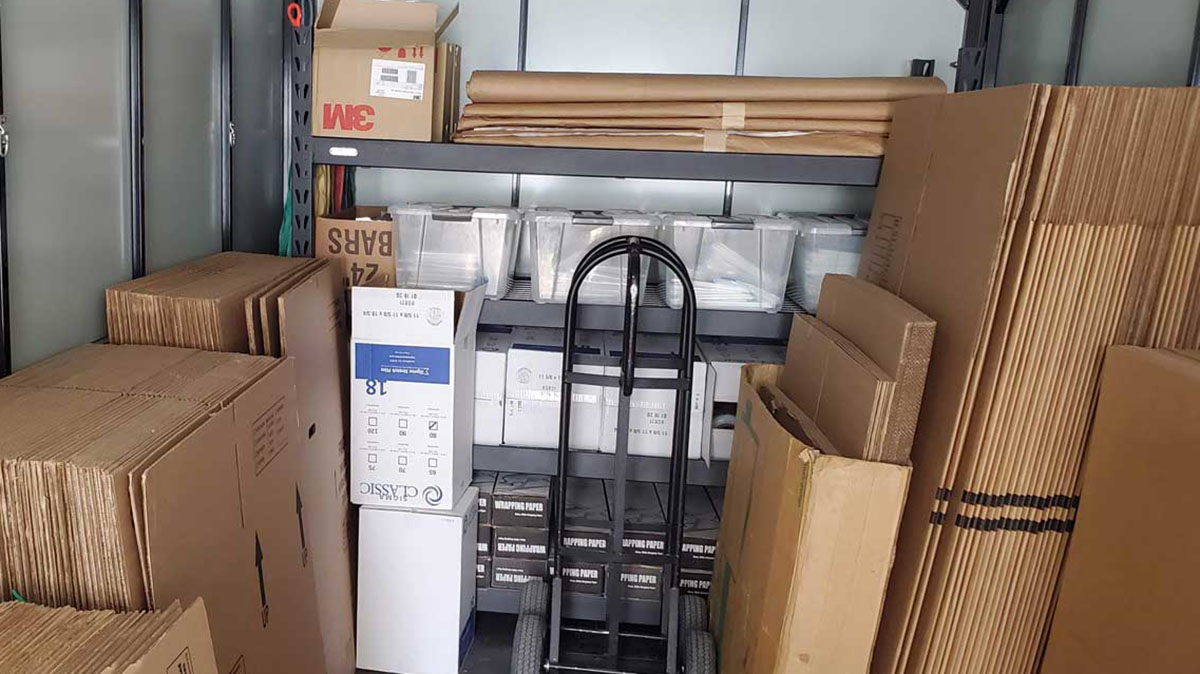
Moving Buddies Tucson AZ sells professional packing supplies for residential moves, commercial relocations, storage preparation, portable-container loading, and do-it-yourself moving projects. Our goal is to help customers use materials that are appropriately sized, strong enough for moving, and better suited to protecting household or business belongings.

Whether you need a few boxes to finish packing or supplies for an entire home, we can help you identify the materials that may be appropriate for your move.

What Packing Supplies Are Available

Packing-supply availability may vary, but common materials can include:

Moving Boxes

Moving boxes are designed to provide more dependable structure and consistency than many reused retail or shipping cartons.

Common sizes may include:

  • 1.5-cubic-foot small boxes for books, canned goods, tools, records, and other dense or heavy items
  • 3.0-cubic-foot medium boxes for kitchenware, toys, linens, small appliances, and general household belongings
  • 4.5-cubic-foot large boxes for lightweight, bulky items such as pillows, comforters, lampshades, and clothing

Using the correct box size helps reduce overloading, awkward carrying, and unnecessary damage.

Specialty Boxes

Depending on availability and the needs of the move, specialty cartons may include:

  • Wardrobe boxes
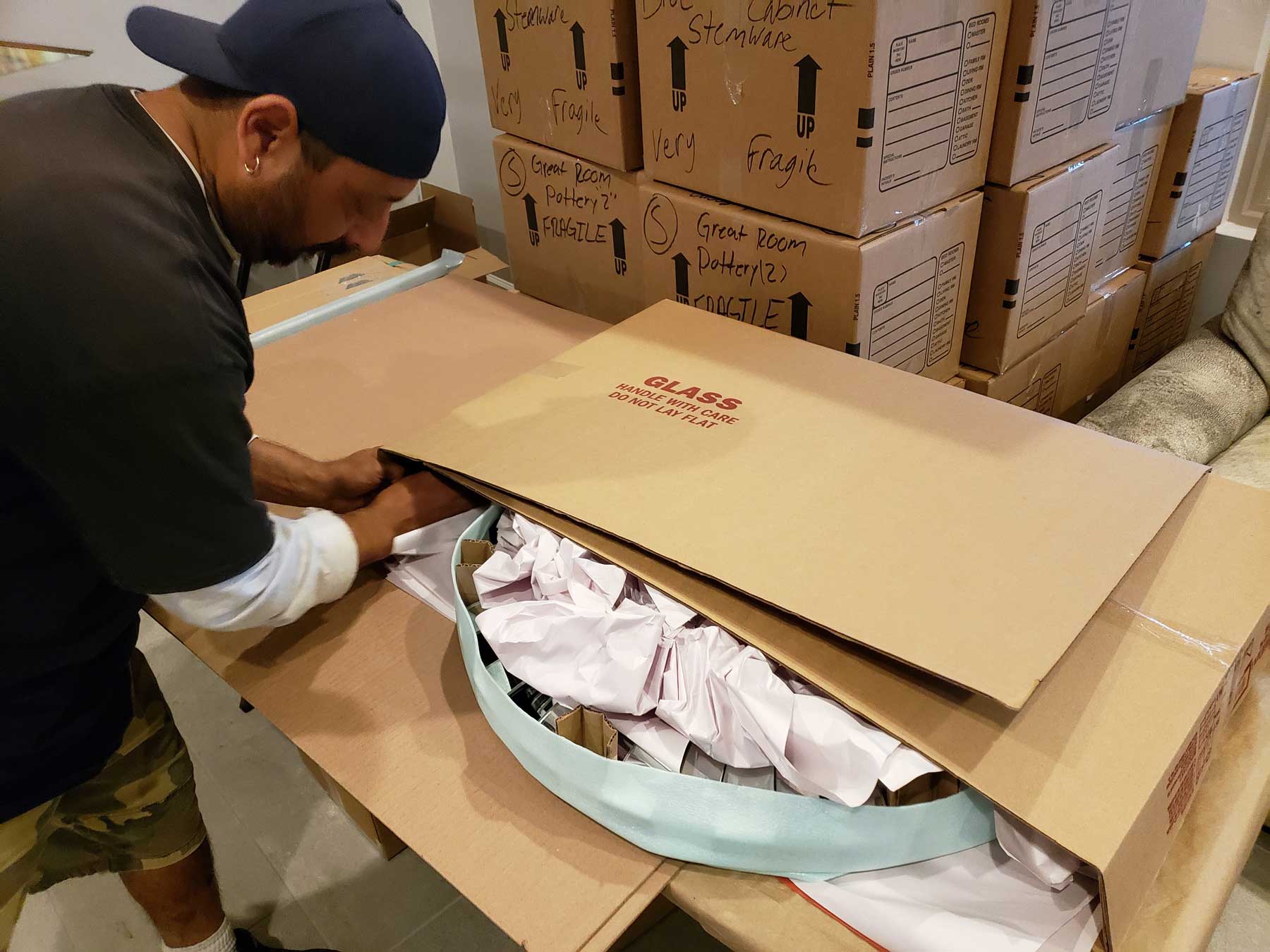
  • Dish-pack boxes
  • Mirror or picture boxes
  • Television boxes
  • File boxes
  • Lamp boxes
  • Mattress bags or protective covers

Specialty boxes can make certain belongings easier to organize, protect, carry, and load.

Packing Paper

Blank newsprint packing paper is one of the most useful materials for household packing. It can be used to wrap dishes, glassware, decorations, small appliances, framed items, and many other breakable or delicate belongings.

Unlike printed newspaper, blank packing paper does not contain ink that may transfer onto packed items.

Packing Tape

Quality packing tape helps keep boxes securely closed during handling, stacking, loading, transportation, and storage. Proper tape application is especially important on the bottom seams of heavier boxes.

Protective Materials

Additional protective materials may include:

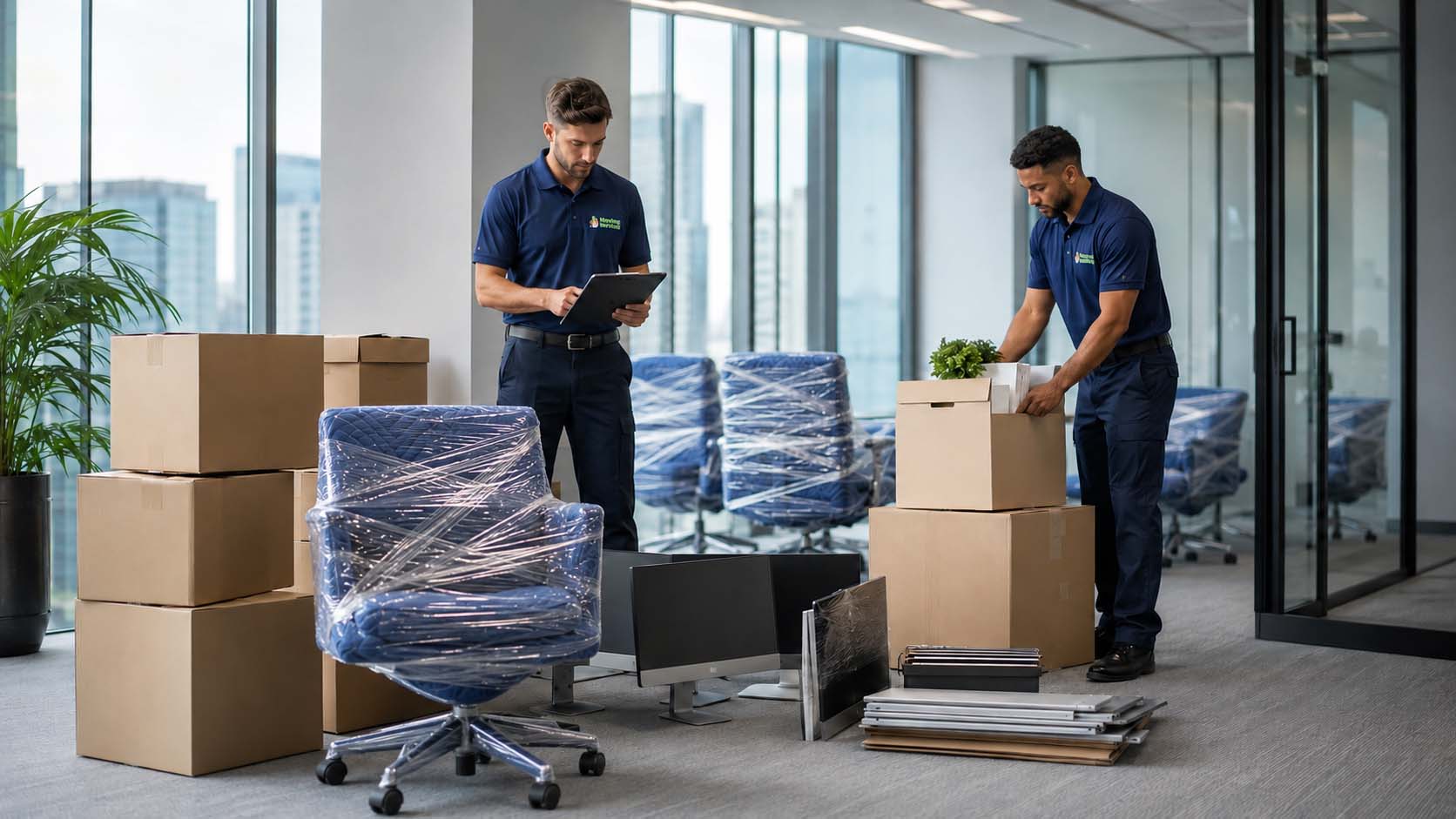
  • Stretch wrap
  • Moving blankets
  • Foam sheets or inserts
  • Corner protectors
  • Bubble-style protective materials
  • Furniture covers
  • Plastic bags or protective sleeves

The right protective material depends on the item, its finish, its fragility, and how it will be transported.

Labels and Marking Supplies

Labels and permanent markers can help identify:

  • The room where each box belongs
  • Fragile contents
  • Boxes that should remain upright
  • Priority items needed immediately after delivery
  • Boxes containing hardware or furniture components

Clear labeling can make both loading and unpacking more efficient.

Who Can Purchase Packing Supplies

You do not need to schedule a full-service move with Moving Buddies to purchase supplies.

Packing materials may be useful for:

  • Customers using our packing or moving services
  • Do-it-yourself movers
  • Portable-container customers
  • Storage-unit customers
  • College students
  • Apartment residents
  • Homeowners preparing to list or declutter
  • Businesses organizing an office relocation
  • Customers shipping or storing fragile belongings

Even when customers complete most of the packing themselves, professional-grade materials can help improve the overall quality of the move.

Choosing the Correct Box Size

Using one large box for everything is rarely the best approach. Box size should generally be matched to the weight and type of the contents.

Use Small Boxes for Heavy Items

Small boxes are usually best for dense belongings such as:

  • Books
  • Canned food
  • Hand tools
  • Small appliances
  • Records
  • Heavy decorative objects

Keeping heavy items in smaller boxes makes them easier and safer to carry.

Use Medium Boxes for General Household Items

Medium boxes work well for many everyday belongings, including:

  • Pots and pans
  • Toys
  • Shoes
  • Pantry goods
  • Small electronics
  • Folded clothing
  • Bathroom items

They provide useful capacity without becoming excessively large or difficult to handle.

Use Large Boxes for Lightweight Items

Large boxes should generally be reserved for lighter items, such as:

  • Pillows
  • Bedding
  • Towels
  • Lampshades
  • Lightweight decorations
  • Bulky clothing

Filling a large box with books, dishes, or other dense items can make it dangerously heavy and more likely to fail.

Packing Boxes Correctly

Using good materials is important, but the way the box is packed matters just as much.

Reinforce the Bottom

Secure the bottom seams with quality packing tape before placing anything inside. Heavy boxes may require additional reinforcement.

Wrap Fragile Items Individually

Dishes, glassware, decorations, and other breakable items should be wrapped individually with packing paper or another appropriate protective material.

Fill Empty Space

Boxes should be filled completely enough to prevent the contents from shifting. Empty areas can be filled with crumpled packing paper, folded towels, linens, or another suitable cushioning material.

A box that is only partially filled may collapse when stacked.

Avoid Overpacking

The box should close flat without bulging. Overpacked boxes are harder to stack and more likely to tear or open during handling.

Seal and Label the Box

Tape the top securely and label at least one side with the destination room. Mark fragile boxes clearly, but do not rely on a fragile label as a substitute for proper packing.

Packing Dishes and Glassware

Kitchen items often require more materials and time than customers expect.

For better protection:

  • Use a strong box, preferably a dish-pack carton for fragile loads
  • Cushion the bottom with crumpled packing paper
  • Wrap each item separately
  • Place plates vertically rather than stacking them flat
  • Use additional paper between layers
  • Fill all open spaces
  • Avoid mixing fragile dishes with heavy cookware
  • Add cushioning before sealing the top

Boxes containing dishes should be firm and fully packed so the contents cannot shift significantly.

Protecting Furniture and Larger Items

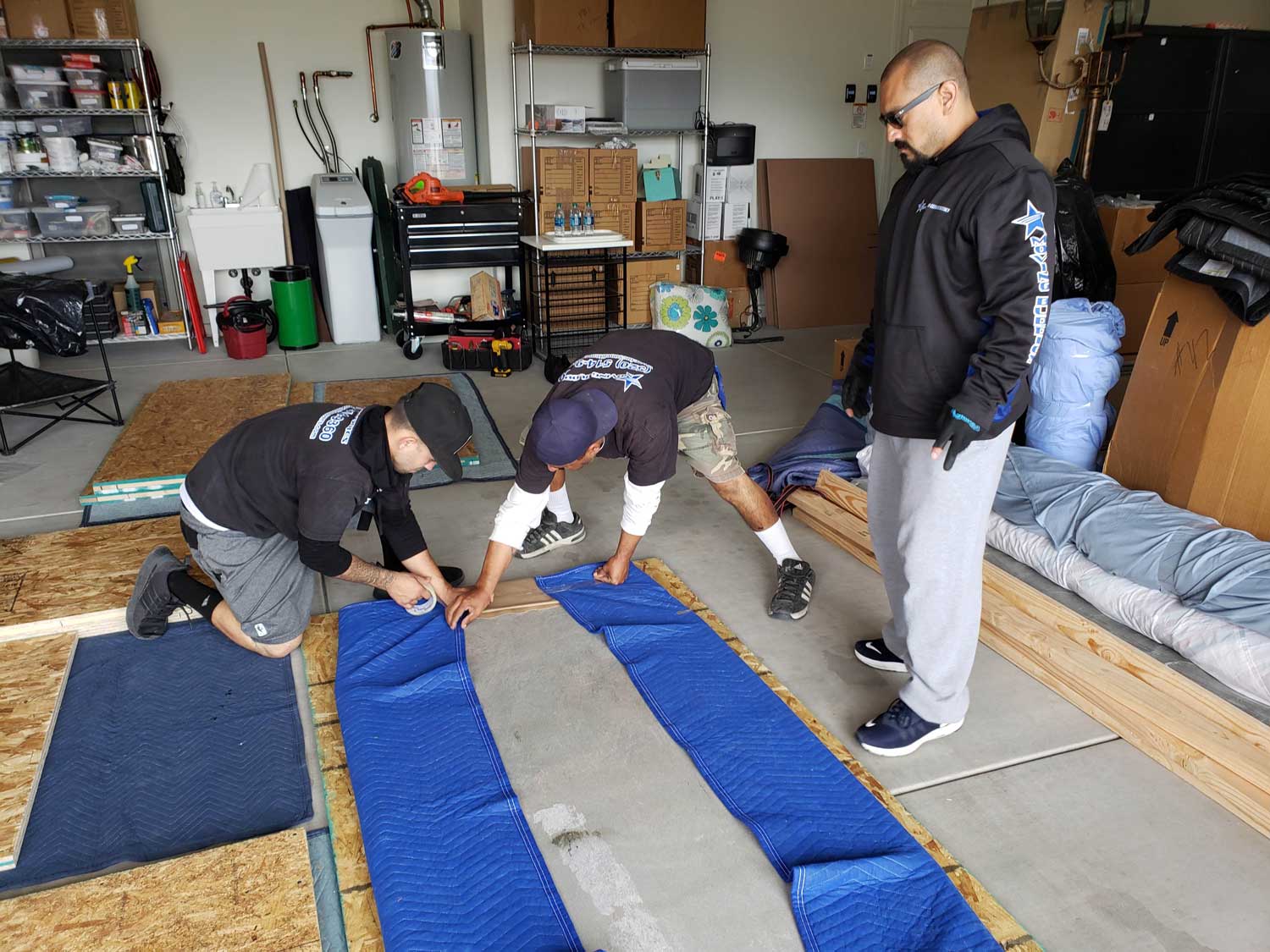
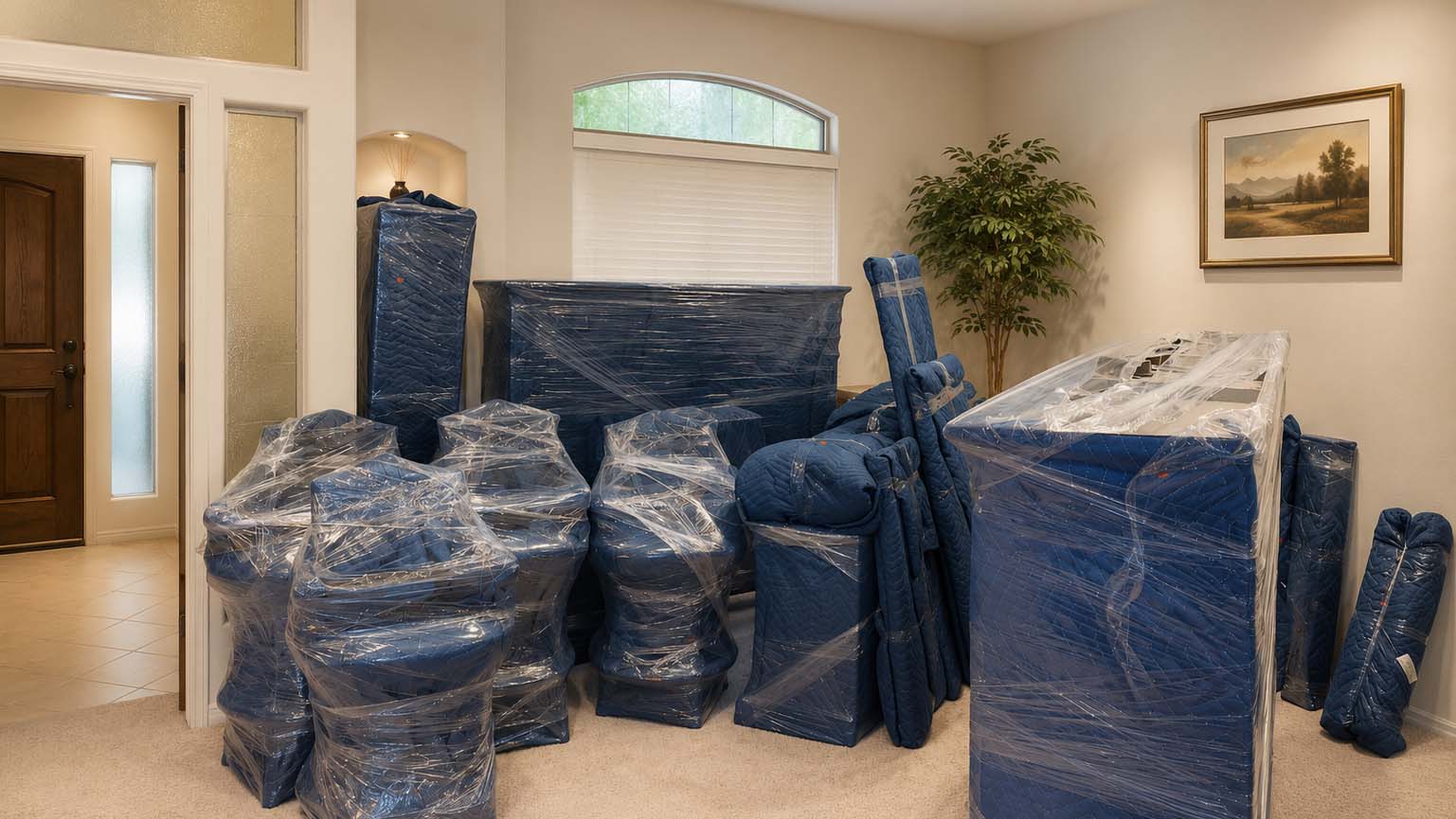
Boxes are only part of a complete packing system. Furniture and oversized items may require moving blankets, stretch wrap, mattress protection, corner guards, or custom crating.

Stretch wrap can help:

  • Keep drawers and doors closed
  • Hold moving blankets in position
  • Protect upholstered surfaces from dust
  • Secure loose cords or removable components
  • Keep grouped furniture parts together

Stretch wrap should not always be applied directly to delicate wood, leather, painted, or high-gloss finishes. A protective barrier may be needed beneath the wrap.

When Packing Supplies Are Especially Helpful

Professional packing materials are particularly useful when:

  • Preparing fragile or high-value belongings
  • Moving into or out of storage
  • Loading a portable container
  • Completing a long-distance move
  • Packing a kitchen or home office
  • Moving books, records, or heavy collections
  • Protecting artwork, mirrors, or televisions
  • Preparing a home for sale
  • Packing gradually over several weeks
  • Replacing damaged or insufficient boxes shortly before moving day

Using consistent box sizes may also improve stacking and make better use of the available space inside a moving truck, trailer, container, or storage unit.

How Moving Buddies Helps Customers Choose Supplies

Customers often underestimate the number of boxes, amount of paper, or quantity of tape needed for a move. The correct amount depends on more than the number of bedrooms.

Important factors include:

  • The amount of belongings in each room
  • The number of books and heavy items
  • Kitchen size
  • Number of closets
  • Garage or storage contents
  • Fragile collections
  • Artwork and mirrors
  • Whether the customer is packing everything or only selected items
  • Whether items will be stored
  • Whether professional packing assistance is also needed

Moving Buddies can help customers think through these variables and select a more practical mix of supplies.

Preparation Tips

Before purchasing supplies, walk through every room and identify what will actually be packed.

It can help to separate belongings into categories:

  • Moving
  • Donating
  • Selling
  • Discarding
  • Storing
  • Carrying personally

Reducing unnecessary belongings before buying supplies may lower the number of boxes required and simplify the move.

Begin packing early with items that are rarely used, including seasonal decorations, books, artwork, extra linens, and stored belongings. Save everyday kitchen, bathroom, clothing, and work items for later.

Keep essential documents, medications, keys, chargers, valuables, and moving-day necessities separate from the main shipment.

Estimating How Many Supplies You Need

There is no single accurate box count based only on the size of a home. Two homes with the same number of bedrooms may contain very different amounts of property.

A better estimate considers:

  • Number of occupants
  • Length of time in the home
  • Amount of storage space
  • Number of books and collections
  • Kitchen and pantry contents
  • Garage, shed, or patio items
  • Whether closets are lightly or heavily filled
  • Number of fragile or specialty items
  • Whether existing boxes will be reused

It is usually better to have a small amount of extra material than to run out during the final stages of packing.

Packing Supplies and Professional Packing Services

Customers who do not want to complete all packing themselves may combine purchased supplies with professional packing assistance.

Moving Buddies can help with:

  • Full-home packing
  • Partial packing
  • Kitchen packing
  • Fragile-item packing
  • Artwork and mirror preparation
  • Office packing
  • Unpacking
  • Crating and specialty protection

The scope of service can be adjusted based on the customer’s timeline, budget, and comfort level.

Getting an Accurate Supply Recommendation

To receive a more useful recommendation, be prepared to describe:

  • The size of the home or business
  • The rooms being packed
  • The approximate amount of belongings
  • Any fragile or high-value items
  • Whether there is a garage, shed, attic, or storage unit
  • Whether the move is local, long-distance, or into storage
  • Which items you plan to pack yourself
  • Whether you need specialty cartons or protective materials

Contact Moving Buddies Tucson AZ to ask about current packing-supply availability, purchasing options, and professional packing services.

Moving Solutions Tailored for You

Ready To Begin Your Journey? Our
Experts Are Here To Help.
GET A QUOTE