Furniture Moving Services in Tucson, AZ

Professional Help Moving Furniture Safely and Efficiently

Furniture can be difficult to move even when the destination is only a few rooms away. Large pieces may be heavy, awkwardly shaped, fragile, difficult to disassemble, or too wide for a doorway without careful positioning.

Moving Buddies Tucson AZ provides professional furniture moving services for residential and commercial customers throughout Tucson and nearby Southern Arizona communities.

We can assist with a single piece, several rooms of furniture, an internal rearrangement, a storage move, or a complete household relocation. Our crews use appropriate moving techniques and protective materials to help reduce damage to furniture, floors, walls, doorways, and surrounding property.

What Furniture Moving Services Include

The exact scope depends on the furniture, access conditions, destination, and service requested.

Furniture moving services may include:

  • Moving furniture within the same room
  • Rearranging furniture within a home or office
  • Moving furniture between rooms or floors
  • Loading and unloading furniture
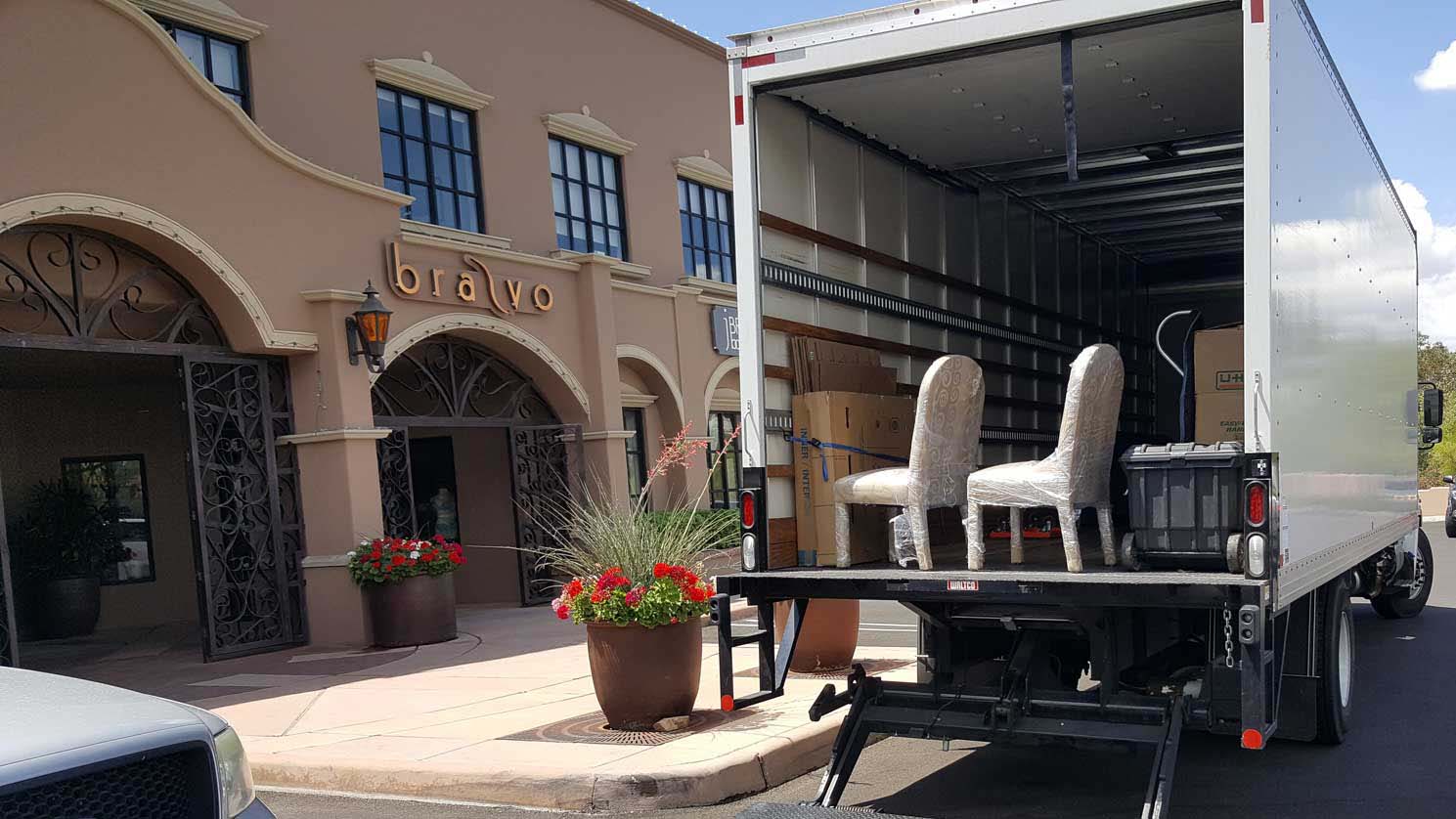
  • Transporting furniture to another address
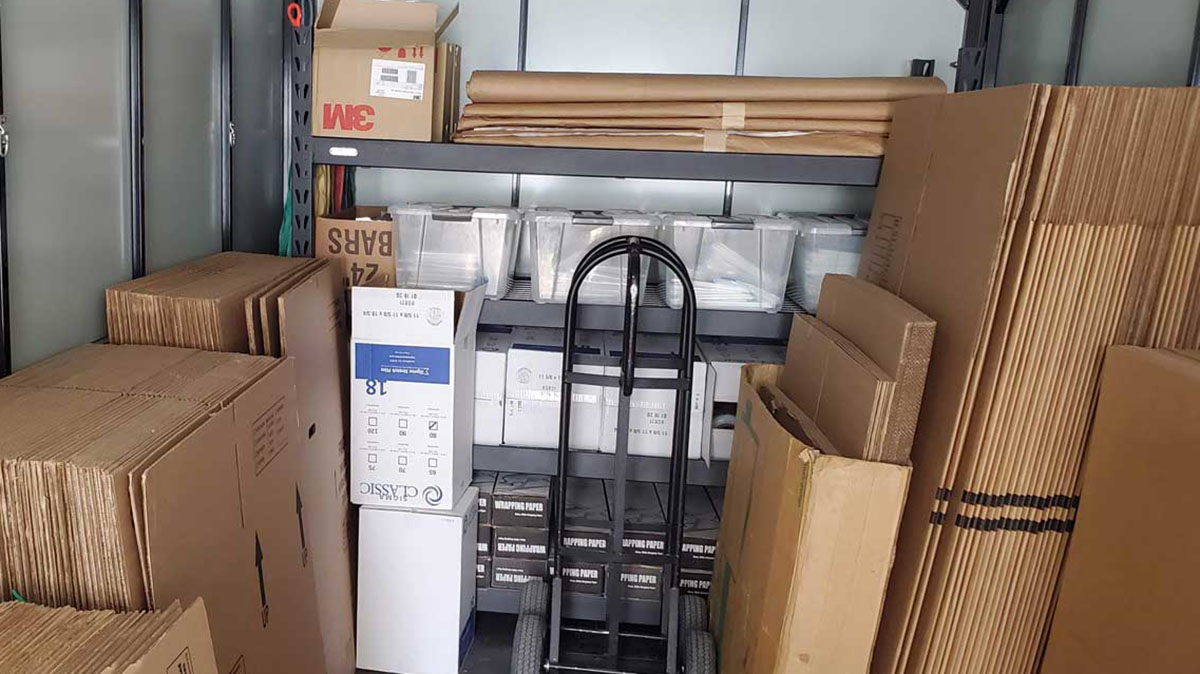
  • Moving furniture into or out of storage
  • Furniture pickup and delivery
  • Furniture disassembly and reassembly
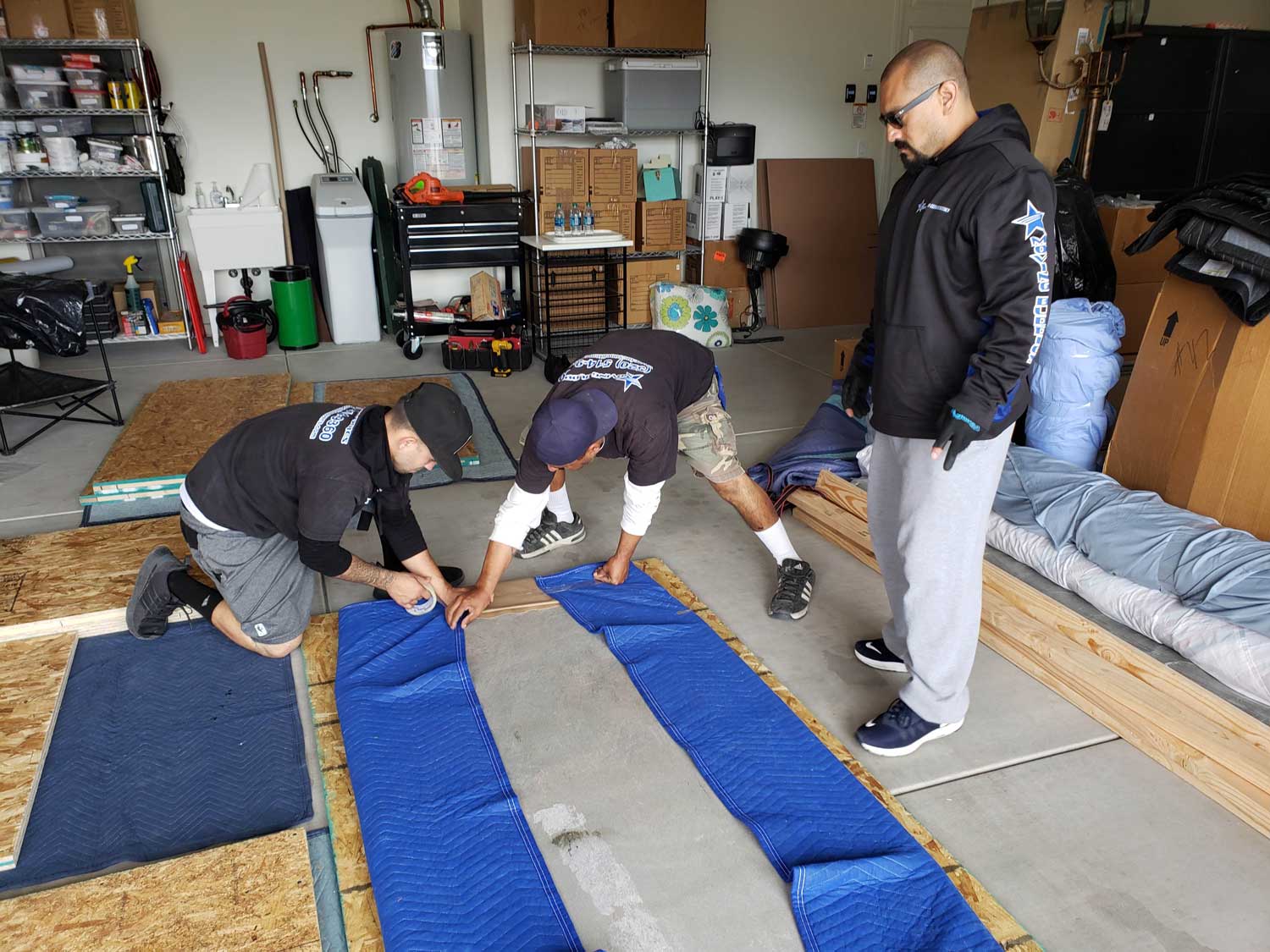
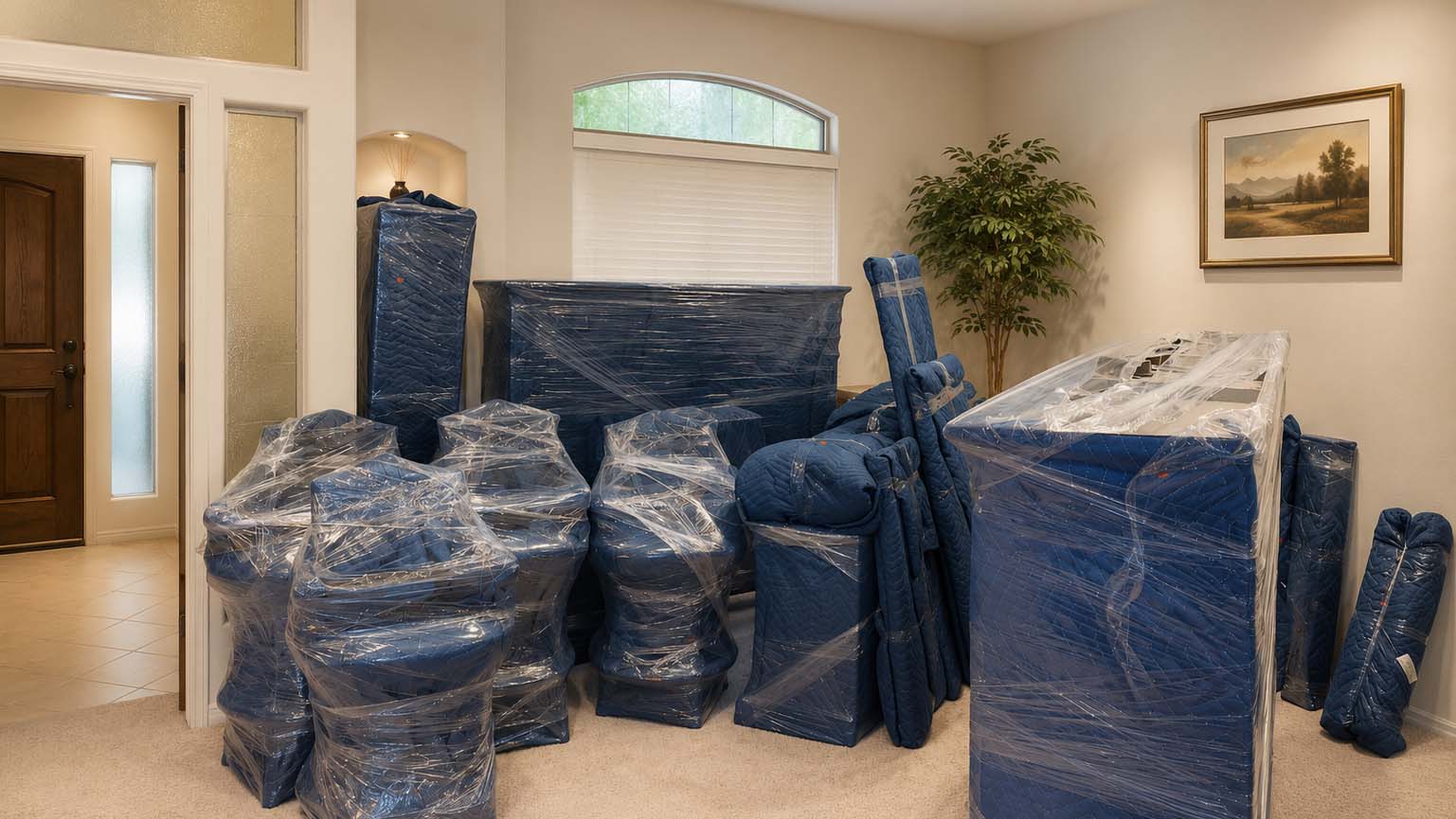
  • Wrapping furniture with moving blankets
  • Protecting finished surfaces
  • Removing shelves, legs, mirrors, or other components
  • Moving furniture through narrow doors and hallways
  • Placing furniture at the destination
  • Moving office furniture
  • Moving oversized or unusually shaped pieces
  • Moving furniture during remodeling or flooring work

Packing, crating, disposal, wall mounting, installation, and specialty rigging may require separate arrangements.

When Furniture Moving Service Is Helpful

Professional furniture movers can help when:

  • You are moving to a new home
  • You purchased furniture from a private seller
  • Furniture is being delivered without setup
  • You need help moving items into storage
  • You are removing furniture from storage
  • A room is being remodeled
  • Flooring is being replaced
  • Furniture must be moved upstairs or downstairs
  • Heavy items need to be rearranged
  • You are preparing a home for sale
  • Furniture is being transferred to a family member
  • You are moving into an apartment or retirement community
  • Office furniture must be relocated
  • A piece is too heavy or awkward to move safely
  • Friends or family are unavailable to help

Furniture moving services can be scheduled as a standalone service or included as part of a larger move.

Types of Furniture We Move

Moving Buddies can assist with many common household and office furniture items.

Living-Room Furniture

This may include:

  • Sofas
  • Loveseats
  • Sectionals
  • Recliners
  • Accent chairs
  • Coffee tables
  • End tables
  • Entertainment centers
  • Television stands
  • Bookcases
  • Cabinets
  • Ottomans
  • Console tables

Large sectionals and reclining furniture may require partial disassembly before they can be moved safely.

Bedroom Furniture

Bedroom furniture may include:

  • Bed frames
  • Mattresses
  • Box springs
  • Dressers
  • Chests
  • Nightstands
  • Armoires
  • Headboards
  • Footboards
  • Vanities
  • Benches
  • Adjustable bed components

Some adjustable beds and motorized furniture may require specialized preparation or manufacturer-approved service.

Dining-Room Furniture

Common dining-room items include:

  • Dining tables
  • Dining chairs
  • Bar stools
  • Buffets
  • Sideboards
  • China cabinets
  • Display cabinets
  • Bar cabinets
  • Serving carts

Glass, stone, or marble tabletops should be disclosed before scheduling.

Office Furniture

Office furniture may include:

  • Desks
  • Office chairs
  • Conference tables
  • Filing cabinets
  • Credenzas
  • Bookcases
  • Workstations
  • Reception furniture
  • Shelving
  • Storage cabinets

Complex modular workstations and cubicle systems may require specialized installers.

Outdoor Furniture

Depending on condition, size, and accessibility, we may assist with:

  • Patio tables
  • Outdoor chairs
  • Benches
  • Loungers
  • Outdoor sectionals
  • Umbrellas
  • Storage benches
  • Freestanding décor

Outdoor furniture should be emptied, cleaned, and dry before transportation.

Single-Item Furniture Moving

Not every customer needs a complete household move. Moving Buddies may assist with one or a few furniture pieces when scheduling, access, and equipment requirements allow.

Examples include:

  • Moving a sofa
  • Delivering a dining table
  • Relocating a bedroom set
  • Moving a dresser upstairs
  • Picking up furniture from a seller
  • Moving a recliner into a retirement residence
  • Transporting a cabinet to storage
  • Delivering office furniture
  • Moving a large table between locations

Single-item moves still require complete information about the item, addresses, access conditions, and any stairs.

In-Home Furniture Rearrangement

Furniture moving does not always involve a truck.

Moving Buddies can help rearrange furniture within the same property for:

  • Remodeling
  • Flooring installation
  • Painting
  • Home staging
  • Holiday setup
  • Room reconfiguration
  • Accessibility changes
  • Office restructuring
  • Estate preparation
  • Moving furniture away from windows or walls
  • Creating space for medical equipment
  • Preparing for guests

The customer should determine the desired furniture placement before the crew arrives whenever possible.

Furniture Pickup and Delivery

Customers may need help transporting furniture purchased from:

  • Private sellers
  • Estate sales
  • Consignment stores
  • Antique stores
  • Furniture retailers
  • Office liquidations
  • Family members
  • Storage facilities

Before purchasing an item, confirm:

  • Exact dimensions
  • Pickup address
  • Delivery address
  • Number of stairs
  • Doorway dimensions
  • Whether the item can be disassembled
  • Whether the seller will assist
  • Whether the item is already outside
  • Whether glass or stone components are removable
  • Whether the item is extremely heavy
  • Available pickup times
  • Loading and parking restrictions

Moving Buddies should receive photographs and measurements before the appointment when practical.

How Moving Buddies Approaches Furniture Moving

Evaluating the Furniture

Before moving a piece, the crew may consider:

  • Size
  • Weight
  • Shape
  • Construction
  • Condition
  • Loose components
  • Fragile surfaces
  • Removable parts
  • Center of gravity
  • Pathway clearance
  • Stairway access
  • Required equipment

A piece that appears simple may require disassembly or an alternate route.

Planning the Moving Path

The path between the furniture and the moving vehicle should be reviewed before lifting begins.

The crew may check:

  • Doorway width
  • Hallway width
  • Ceiling height
  • Stairway turns
  • Railings
  • Light fixtures
  • Wall-mounted décor
  • Floor transitions
  • Exterior gates
  • Landscaping
  • Sloped or uneven surfaces
  • Elevator dimensions

Planning the route helps reduce unnecessary handling and avoidable damage.

Protecting Furniture

Furniture protection may include:

  • Moving blankets
  • Stretch wrap
  • Mattress covers
  • Corner protectors
  • Cardboard
  • Packing paper
  • Foam
  • Plastic furniture covers
  • Tie-down straps
  • Custom crating for certain items

Protective materials should be selected according to the item’s surface and construction.

Protecting the Property

Careful furniture moving also involves protecting the property.

Depending on the conditions, protection may include:

  • Floor runners
  • Doorway protection
  • Corner guards
  • Wall protection
  • Stair protection
  • Entryway coverings
  • Furniture sliders

Property protection needs should be discussed before moving day, particularly when the residence has delicate flooring, narrow halls, or recently finished surfaces.

Furniture Disassembly

Some furniture should be partially disassembled before moving.

Common examples include:

  • Bed frames
  • Sectional sofas
  • Dining tables
  • Desks
  • Bookcases
  • Entertainment centers
  • Armoires
  • Large cabinets
  • Modular furniture
  • Dressers with attached mirrors
  • Furniture with removable legs
  • Reclining furniture

Disassembly can make an item:

  • Easier to carry
  • Safer to transport
  • Less likely to contact walls
  • Small enough to fit through a doorway
  • More stable inside the truck

The amount of disassembly depends on the furniture and manufacturer design.

Furniture Reassembly

Moving Buddies may reassemble selected furniture after delivery when the necessary hardware, components, tools, and instructions are available.

Common reassembly tasks may include:

  • Bed frames
  • Table legs
  • Desk components
  • Removable mirrors
  • Sectional connections
  • Basic shelving
  • Furniture feet
  • Simple modular pieces

Complex installations may require a carpenter, technician, installer, or manufacturer-authorized provider.

Keeping Furniture Hardware Organized

Hardware should never be placed loosely inside a moving truck or furniture drawer.

Recommended practices include:

  • Place screws and bolts in sealed bags
  • Label each bag with the furniture name
  • Tape the bag securely to a safe part of the item
  • Keep specialty tools with the hardware
  • Photograph the furniture before disassembly
  • Keep manufacturer instructions available
  • Avoid combining hardware from multiple pieces

Missing hardware can prevent furniture from being reassembled at the destination.

Moving Heavy Furniture

Heavy furniture requires more than physical strength. Weight distribution, grip, pathways, lifting technique, and equipment must all be considered.

Heavy furniture may include:

  • Solid-wood dressers
  • Armoires
  • Large cabinets
  • Sleeper sofas
  • Reclining sectionals
  • Conference tables
  • Commercial desks
  • Fire-resistant filing cabinets
  • Large workbenches
  • Stone-top furniture
  • Oversized entertainment centers

Moving Buddies may request photographs, measurements, manufacturer information, or an estimated weight before confirming service.

Oversized Furniture

Oversized furniture can create challenges even when it is not unusually heavy.

Potential issues include:

  • Narrow doorways
  • Tight stairways
  • Low ceilings
  • Small elevators
  • Sharp hallway turns
  • Exterior access limitations
  • Fixed railings
  • Furniture that cannot be disassembled
  • Limited parking near the entrance

In some cases, a piece may not fit through the available access path. Accurate measurements should be taken before moving day.

Moving Furniture on Stairs

Stairs increase the difficulty and risk of furniture moving.

Important factors include:

  • Stairway width
  • Ceiling clearance
  • Landings
  • Turns
  • Railing height
  • Wall projections
  • Furniture dimensions
  • Number of steps
  • Surface material
  • Exterior versus interior access

Spiral staircases, narrow turns, and low ceilings should be disclosed in advance.

Moving Furniture Through Doorways

Before attempting to move a large item through a doorway, the crew may:

  • Measure the item
  • Measure the door opening
  • Remove furniture legs
  • Remove cushions
  • Remove drawers
  • Detach doors when appropriate
  • Rotate the piece
  • Position the item vertically
  • Use an alternate entrance
  • Protect the doorway

Customers should not assume that furniture entering a property one way can leave through the same route without disassembly.

Moving Furniture With Glass

Furniture containing glass requires additional care.

Examples include:

  • China cabinets
  • Display cabinets
  • Glass coffee tables
  • Dining tables
  • Desks
  • Curio cabinets
  • Shelving
  • Mirrors attached to furniture

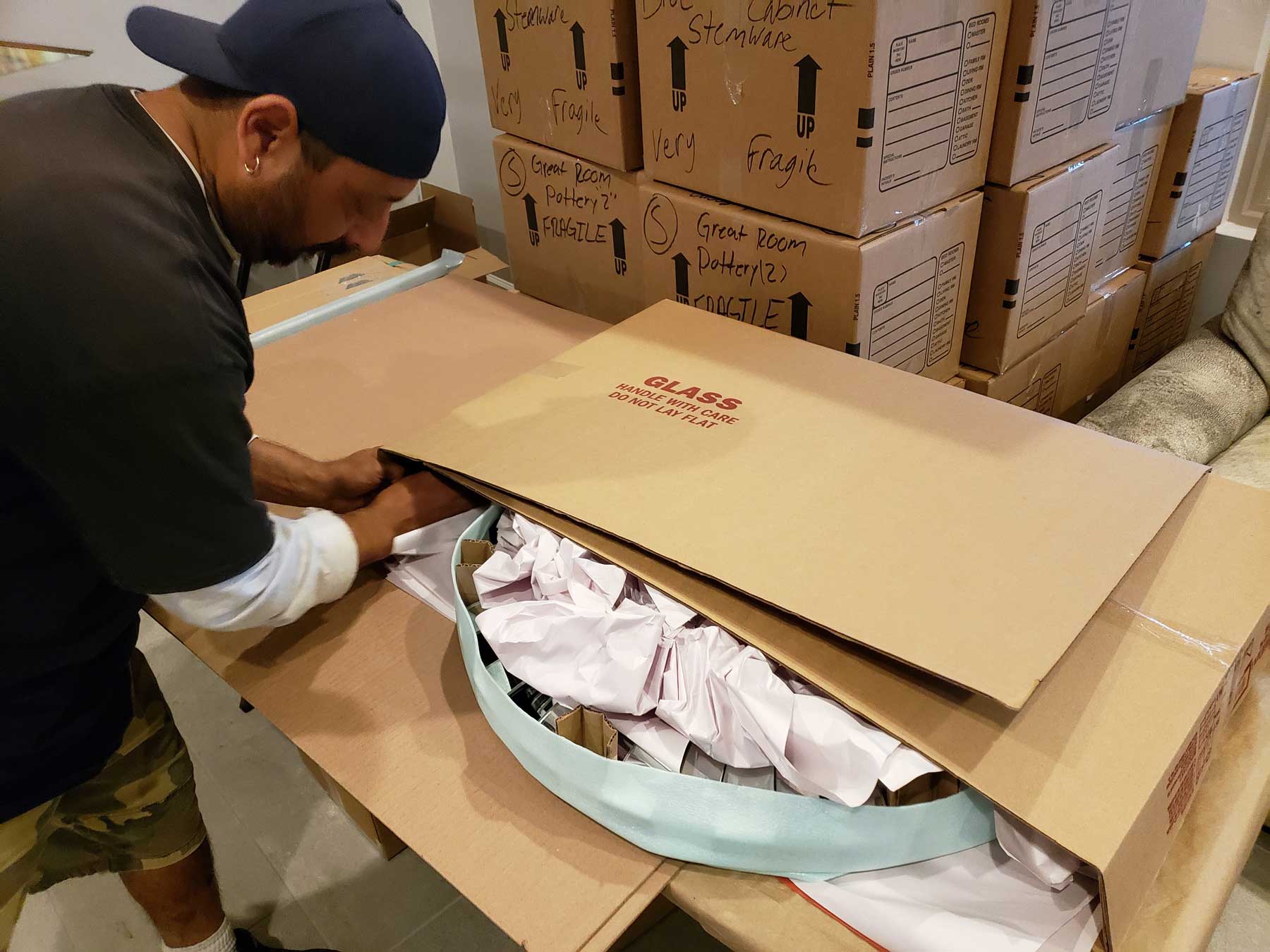
When possible, removable glass should be taken out, wrapped separately, and transported upright.

Glass components should be identified before the move so appropriate materials can be prepared.

Stone and Marble Furniture

Stone, granite, quartz, and marble surfaces can be extremely heavy and vulnerable to cracking.

These materials may require:

  • Separate removal
  • Upright transportation
  • Specialty carriers
  • Wooden crating
  • Additional crew members
  • Reinforced equipment
  • Professional installation
  • Manufacturer guidance

Never assume a stone tabletop can be transported while attached to the base.

Antique and Delicate Furniture

Antique furniture may have brittle joints, delicate veneers, aged finishes, loose components, or previous repairs.

Before moving antique furniture:

  • Identify the item during the estimate
  • Photograph its condition
  • Note existing damage
  • Remove loose pieces
  • Avoid placing tape directly on the finish
  • Discuss appropriate protective materials
  • Consider custom crating
  • Keep keys and hardware separate
  • Determine whether a specialty provider is needed

Age alone does not determine value, but older furniture may require slower and more deliberate handling.

Upholstered Furniture

Sofas, chairs, mattresses, and other upholstered items should be protected from dirt, moisture, and contact with rough surfaces.

Protection may include:

  • Moving blankets
  • Upholstery covers
  • Mattress bags
  • Stretch wrap over protective coverings
  • Clean floor protection
  • Separation from outdoor equipment

Stretch wrap should not always be placed directly against certain materials, particularly leather or delicate finishes.

Leather Furniture

Leather furniture can be sensitive to:

  • Heat
  • Moisture
  • Pressure
  • Stretch wrap
  • Sharp edges
  • Prolonged compression
  • Improper cleaning products

Leather pieces may require breathable protection beneath any outer securing material.

Long-term storage in extreme temperatures may also affect leather condition.

Recliners and Motorized Furniture

Recliners and powered furniture may include electrical components, motors, cables, removable backs, batteries, and control modules.

Before moving:

  • Disconnect power
  • Secure cords
  • Remove batteries when appropriate
  • Locate transformers and controls
  • Check whether backs are removable
  • Keep accessories together
  • Review manufacturer instructions
  • Identify any medical or accessibility functions

Complex lift chairs or adjustable furniture may require professional setup after delivery.

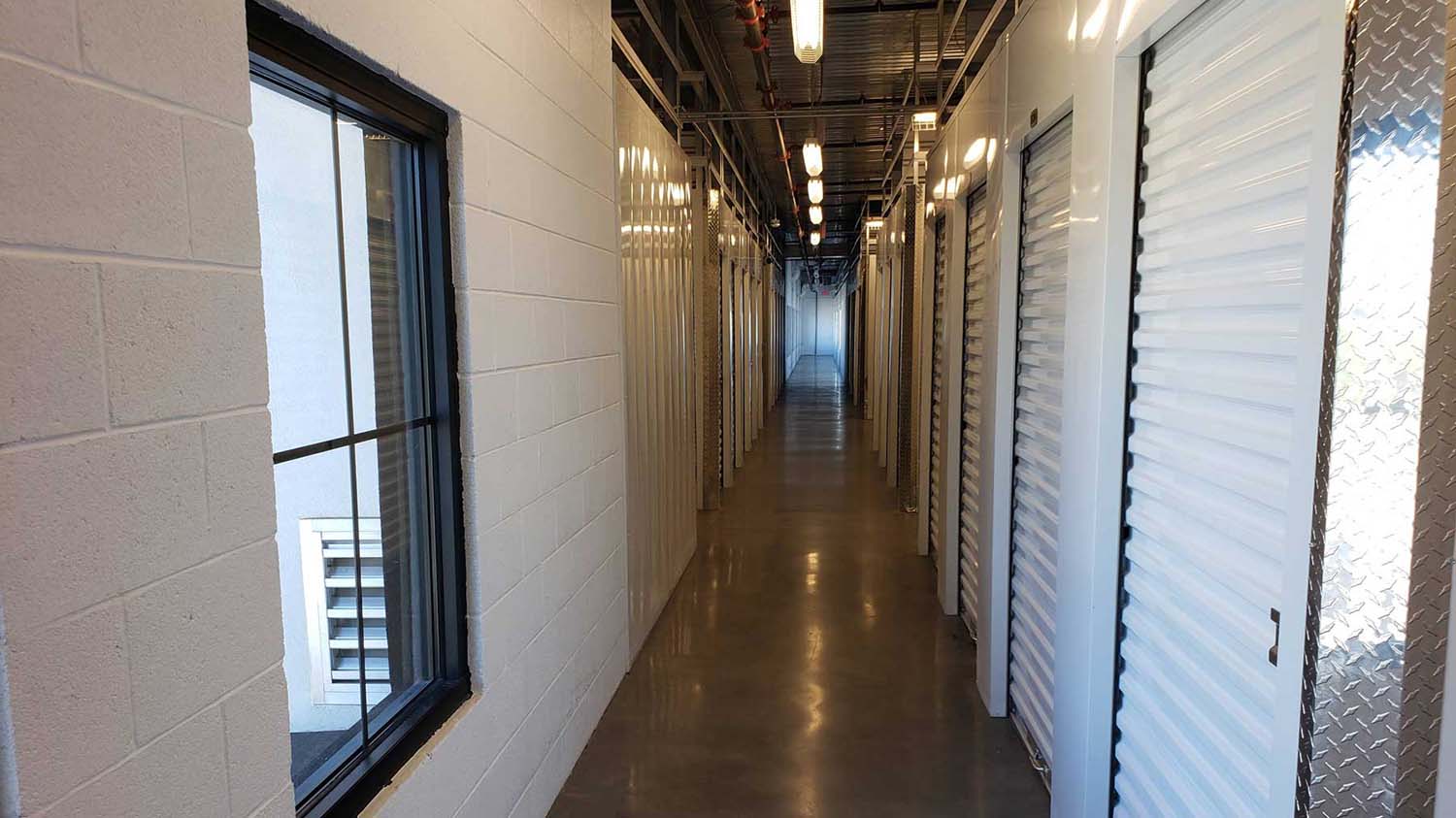
Furniture Moving and Storage

Moving furniture into storage requires additional planning.

Before storage:

  • Clean and dry the furniture
  • Remove food or organic debris
  • Disassemble appropriate pieces
  • Protect upholstered items
  • Avoid placing furniture directly on bare concrete
  • Keep items away from moisture
  • Leave ventilation around sensitive pieces
  • Avoid excessive stacking pressure
  • Label disassembled components
  • Keep hardware organized
  • Consider climate-controlled storage

Furniture should be arranged so that frequently needed items remain accessible.

Moving Furniture During Remodeling

Furniture may need to be moved before:

  • Flooring replacement
  • Interior painting
  • Water-damage restoration
  • Renovation
  • Cabinet installation
  • Window replacement
  • Electrical work
  • Deep cleaning

Before scheduling, determine:

  • Where the furniture will be placed
  • How long it will remain there
  • Whether it must leave the property
  • Whether temporary storage is needed
  • Whether the furniture will need to be moved twice
  • Whether contractors require a completely empty room

Moving the same furniture out and back later should be included in the project plan.

Furniture Moving for Home Staging

Furniture moving can support real estate preparation by helping:

  • Remove excess furniture
  • Reposition major pieces
  • Create clearer walkways
  • Move items into storage
  • Transfer furniture between properties
  • Arrange rooms for photography
  • Remove personal furnishings
  • Deliver staging furniture

The homeowner, real estate professional, or stager should provide a clear placement plan.

Apartment and Condominium Furniture Moves

Apartment and condominium moves often involve additional restrictions.

These may include:

  • Elevator reservations
  • Approved moving hours
  • Loading-zone rules
  • Parking limitations
  • Certificate-of-insurance requirements
  • Security access
  • Long hallways
  • Narrow staircases
  • Service-entrance requirements
  • Property-management approval

Building rules should be obtained before scheduling.

Retirement-Community Furniture Moves

Retirement and assisted-living communities may have specific move-in procedures and limited space.

Before moving furniture into the residence:

  • Measure the room
  • Confirm permitted furniture
  • Reserve the elevator
  • Review moving hours
  • Create a placement plan
  • Keep walkways clear
  • Consider mobility-device access
  • Identify essential pieces
  • Remove furniture that will overcrowd the space

Furniture placement should support comfort and accessibility.

Office Furniture Moving

Moving Buddies may assist businesses with relocating or rearranging office furniture.

This may include:

  • Desks
  • Office chairs
  • Conference tables
  • Filing cabinets
  • Shelving
  • Credenzas
  • Reception furniture
  • Bookcases
  • Storage cabinets

The business should identify which furniture is moving, where it belongs, and whether it contains confidential records or technology.

Items That May Require Specialty Service

Some items fall outside ordinary furniture moving and may require additional planning or a specialty provider.

Examples include:

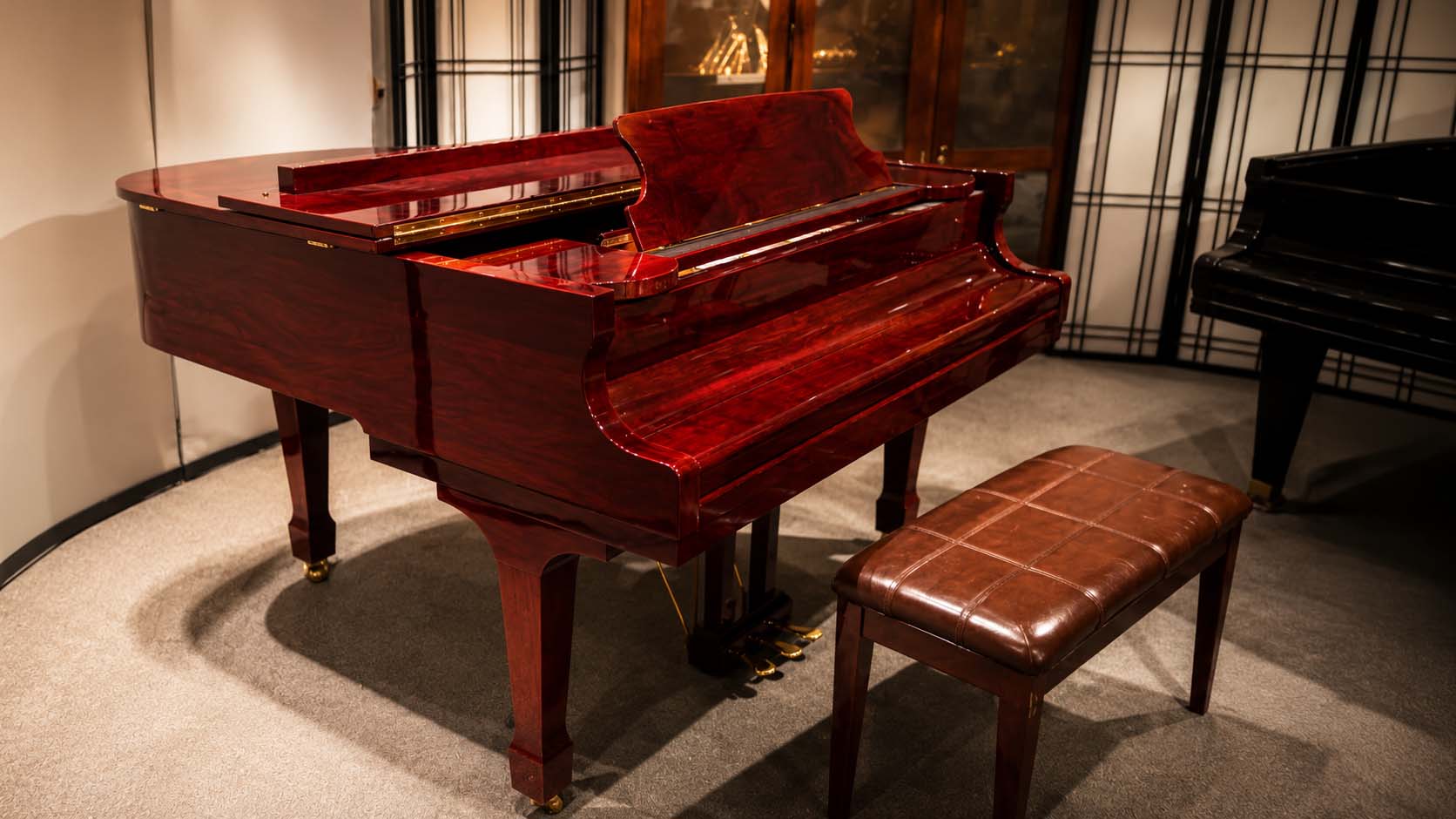
  • Pianos
  • Pool tables
  • Gun safes
  • Large commercial safes
  • Built-in furniture
  • Wall-mounted cabinets
  • Extremely large stone tables
  • Laboratory furniture
  • Commercial equipment
  • Antique pieces requiring conservation handling
  • Furniture requiring crane or balcony access
  • Items exceeding safe equipment or access limitations

These items should be disclosed before scheduling.

Preparing Furniture for Moving

Before the crew arrives:

  • Empty furniture as directed
  • Remove personal belongings
  • Remove loose shelves
  • Secure doors and drawers
  • Disconnect electronics
  • Remove bedding
  • Clean outdoor furniture
  • Separate fragile components
  • Identify existing damage
  • Photograph valuable pieces
  • Locate hardware and instructions
  • Clear the moving path
  • Measure narrow access points
  • Identify furniture that is not moving
  • Remove wall décor near the pathway

Do not begin complicated disassembly unless you know how the piece should be handled and reassembled.

Preparing the Property

The work area should be ready before furniture moving begins.

Recommended preparation includes:

  • Clear hallways
  • Remove rugs and trip hazards
  • Secure pets
  • Keep children away from work areas
  • Reserve parking
  • Unlock gates
  • Remove vehicles from the loading area
  • Reserve elevators
  • Protect sensitive flooring
  • Remove hanging lights or décor when necessary
  • Ensure the destination area is clear
  • Decide where each piece will be placed

A clear pathway can reduce moving time and unnecessary risk.

Furniture Placement at the Destination

Customers should make placement decisions before the furniture enters the room.

Consider:

  • Door clearance
  • Electrical outlets
  • Windows
  • Air vents
  • Walkways
  • Furniture balance
  • Drawer access
  • Recliner clearance
  • Television placement
  • Mobility needs
  • Room dimensions
  • Future furniture additions

Repeatedly moving the same heavy piece can increase labor time and the risk of property damage.

What Furniture Movers Typically Do Not Handle

Unless specifically arranged, furniture moving generally does not include:

  • Permanent wall mounting
  • Electrical work
  • Plumbing
  • Gas connections
  • Carpentry
  • Furniture repair
  • Restoration
  • Disposal
  • Hoisting through windows
  • Crane service
  • Appliance installation
  • Complex modular-system installation
  • Built-in furniture removal
  • Structural modifications

Appropriate licensed or specialty professionals should handle these tasks.

Preparation Tips

To prepare for furniture moving:

  • Create a complete furniture list
  • Measure large pieces
  • Measure doors, hallways, and stairs
  • Photograph unusual items
  • Identify fragile surfaces
  • Disclose glass and stone components
  • Empty furniture as directed
  • Organize hardware
  • Clear walking paths
  • Reserve elevators and parking
  • Confirm pickup and delivery access
  • Decide furniture placement
  • Separate items that are not moving
  • Keep children and pets away from work areas
  • Provide manufacturer instructions when available
  • Tell Moving Buddies about extremely heavy or damaged furniture

Good preparation helps the crew bring the correct equipment and plan an appropriate moving method.

Factors That Affect Furniture Moving Time

Furniture moving time may depend on:

  • Number of items
  • Furniture size
  • Furniture weight
  • Amount of disassembly
  • Fragile components
  • Stairs
  • Elevators
  • Walking distance
  • Doorway dimensions
  • Parking access
  • Destination placement
  • Number of pickup or delivery locations
  • Protective-material requirements
  • Building restrictions
  • Existing furniture condition
  • Required crew size
  • Specialty equipment
  • Customer readiness

A single oversized piece can require more time than several smaller items.

Getting an Accurate Estimate

To receive a more accurate furniture moving estimate, be prepared to provide:

  • Pickup address
  • Delivery address
  • Requested service date
  • Complete furniture list
  • Photographs of each major item
  • Furniture dimensions
  • Estimated weight when known
  • Information about glass, stone, or marble
  • Number of stairs
  • Elevator availability
  • Doorway and hallway dimensions
  • Walking distance
  • Parking conditions
  • Building restrictions
  • Disassembly requirements
  • Storage needs
  • Additional pickup or delivery stops
  • Furniture condition
  • Desired placement at the destination

Moving Buddies Tucson AZ can use this information to recommend an appropriate crew, identify equipment and protection needs, and provide a more meaningful estimate for the requested furniture moving service.

Moving Solutions Tailored for You

Ready To Begin Your Journey? Our
Experts Are Here To Help.
GET A QUOTE