Crating Services In Tucson, AZ

Custom protection for fragile, valuable, oversized, and hard-to-move items

Some items need more than a moving blanket.

A sofa can usually be protected with padding and stretch wrap. A dresser can usually be blanket-wrapped and loaded carefully. A box of dishes can usually be protected with packing paper and a sturdy carton.

But certain items are different.

Large mirrors, framed artwork, glass pieces, marble tops, stone tables, antiques, sculptures, chandeliers, delicate furniture, and high-value specialty items may need a stronger level of protection. These pieces can be vulnerable to pressure, vibration, impact, twisting, stacking, and handling damage.

That is where crating comes in.

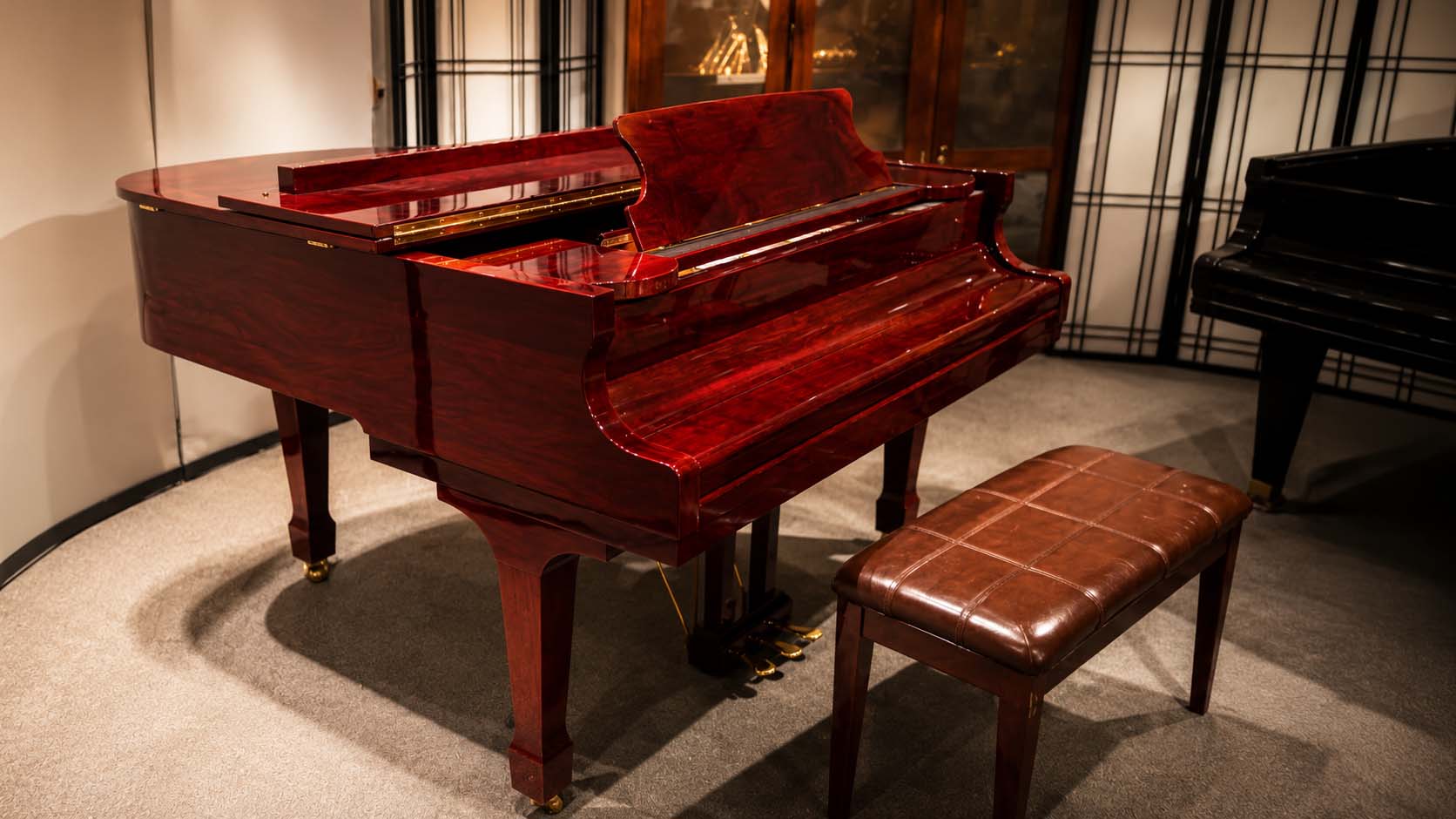
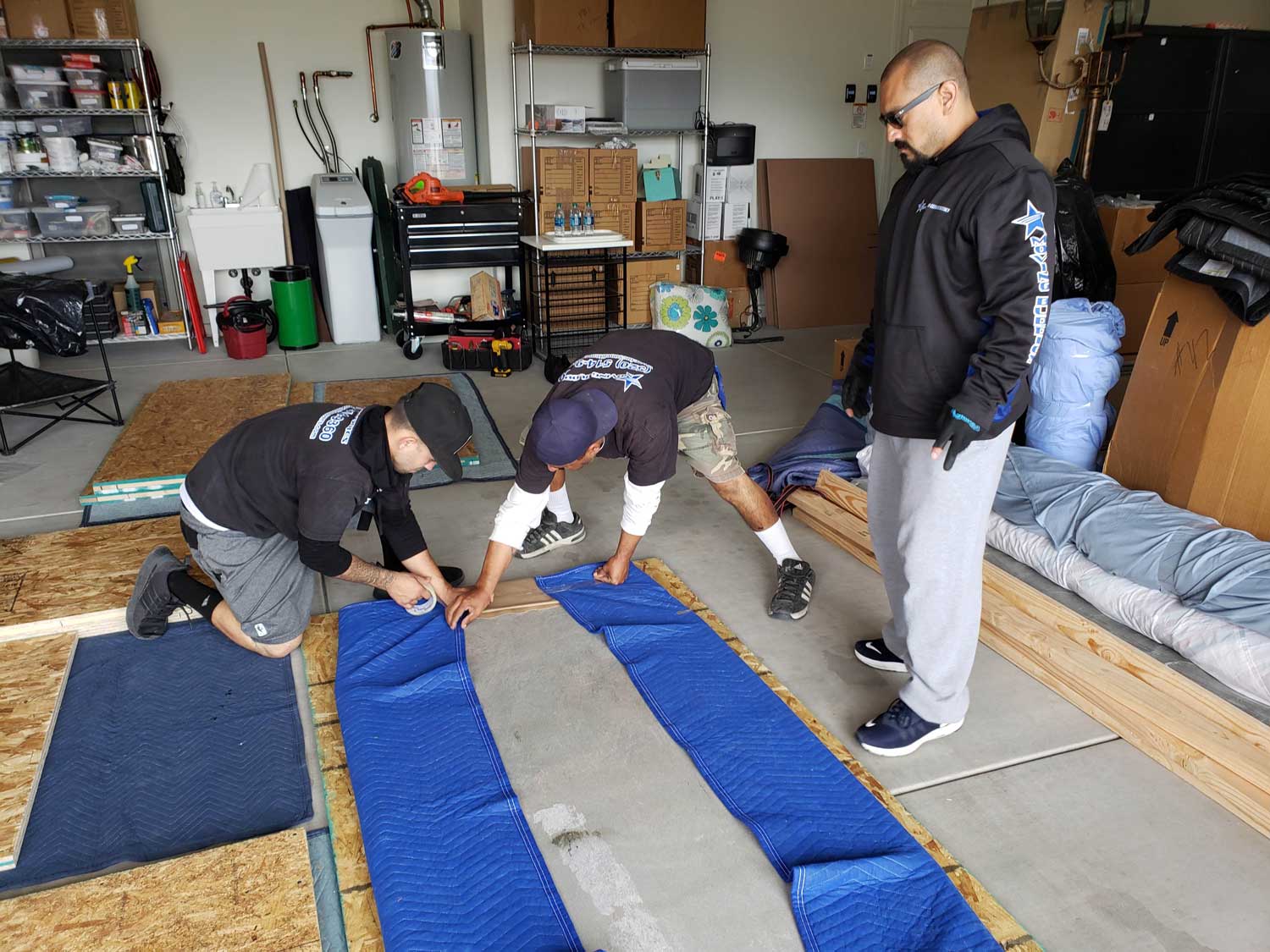
Crating is a specialty protection method that uses a custom or semi-custom wooden structure to protect an item during moving, storage, shipping, or multi-stage handling.

Moving Buddies provides crating service guidance and specialty-item planning for Tucson and Southern Arizona customers who need better protection than ordinary moving materials can provide.

What Crating Service Includes

Crating service may include:

Custom wood crate planning
Crate measurement and item assessment
Protection recommendations
Coordination for fragile or high-value items
Wooden crate construction or arrangement
Interior padding or blocking recommendations
Specialty item preparation
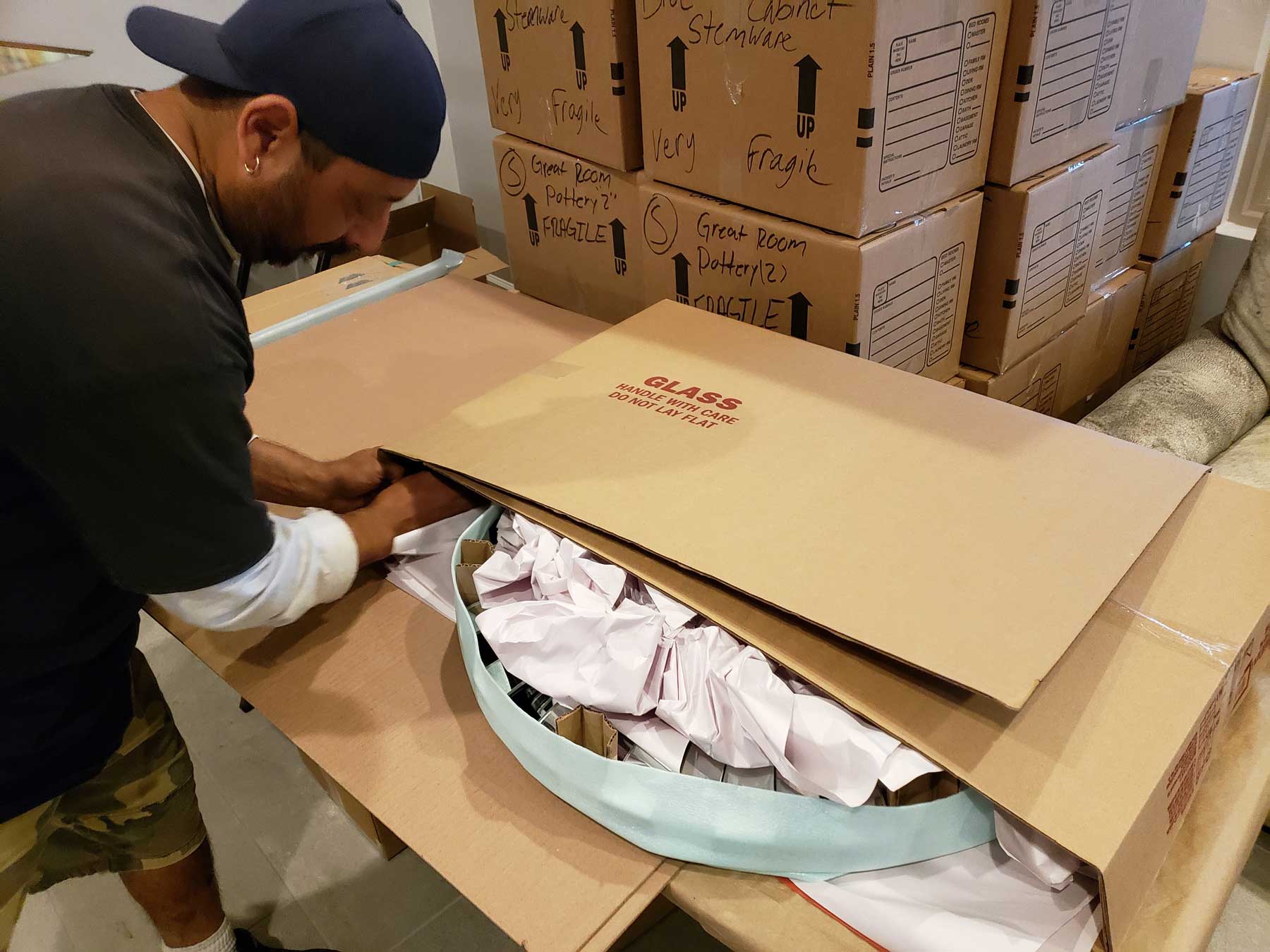
Artwork and mirror crating guidance
Stone, glass, and marble protection planning
Crate loading and handling support
Storage or transport preparation
Crate-related moving coordination

The exact service depends on the item, the move type, the distance, the handling risk, and whether the item is being moved locally, placed into storage, shipped, or transported long distance.

Some items can be protected with cartons, blankets, cardboard, and careful handling. Others need a crate.

The goal is to match the protection to the risk.

Why Crating Matters

Crating matters because some items cannot safely absorb normal moving pressure.

During a move, items may be:

Lifted
Tilted
Carried through doorways
Moved down stairs
Placed on dollies
Loaded onto a truck
Secured beside other items
Driven across uneven roads
Unloaded
Placed into storage
Handled again later

Most household goods can tolerate that process when they are packed or wrapped correctly. Fragile, valuable, or awkward items may not.

Crating helps create a protective shell around the item so the pressure goes to the crate instead of directly to the piece.

A good crate can help reduce the risk of:

Glass breakage
Frame damage
Corner crushing
Surface scratches
Canvas punctures
Stone cracking
Marble chipping
Sculpture tipping
Pressure damage
Vibration damage
Load-shift damage
Storage damage
Damage from multiple handling stages

Crating is not always necessary, but when it is necessary, skipping it can be the most expensive decision in the move.

Items That May Need Crating

Crating may be appropriate for:

Fine art
Large framed artwork
Canvas pieces
Large mirrors
Glass table tops
Marble table tops
Stone pieces
Sculptures
Antiques
Chandeliers
Fragile furniture
High-value furniture
Decorative panels
Large framed photographs
Shadow boxes
Museum-style pieces
Estate items
Sentimental heirlooms
Trade show pieces
Specialty equipment
Oversized decor
Delicate office or lobby pieces

Not every item in these categories automatically needs a crate. A smaller framed print may only need a picture carton. A sturdy mirror may be moved safely with proper padding for a local move. A delicate or oversized mirror going into storage may need a crate.

The decision depends on risk.

When Crating Is Recommended

Crating is usually worth considering when an item is:

High value
Fragile
Irreplaceable
Oversized
Awkwardly shaped
Heavy and breakable
Difficult to replace
Made of glass, stone, marble, ceramic, or delicate material
Vulnerable to pressure
Going long distance
Going into storage
Being handled by more than one company
Being transported in a container
Being shipped by freight
Too large for standard cartons
Too delicate for blanket wrapping alone

A local move across town may not require the same protection as a long-distance move, storage move, or container move. The more handling stages involved, the more important crating becomes.

Crating for Fine Art

Fine art is one of the most common reasons to consider crating.

Artwork can be damaged by corner pressure, face pressure, punctures, frame movement, glass breakage, poor stacking, and vibration.

Crating may be appropriate for:

Large framed paintings
Glass-covered artwork
Canvas artwork
Gallery-style pieces
Original art
High-value prints
Large photographs
Artwork going into storage
Artwork being shipped
Artwork that cannot tolerate face pressure

For many art pieces, the crate is designed to protect the frame, corners, face, and overall structure of the piece.

Crating is especially important when artwork is too large or too valuable for ordinary picture cartons.

Crating for Mirrors and Glass

Mirrors and glass pieces are easy to underestimate because they may look rigid and stable while installed.

Once removed from the wall, table, or frame, they become much more vulnerable.

Crating may be recommended for:

Large mirrors
Oversized mirrors
Decorative mirrors
Glass table tops
Glass shelves
Glass panels
Glass cabinet doors
Large framed glass pieces
Specialty glass decor

Glass is vulnerable to twisting, pressure, vibration, impact, and edge damage. A small chip or crack can compromise the entire piece.

A crate helps reduce direct pressure and creates a stronger handling structure around the item.

Crating for Stone, Marble, and Heavy Fragile Items

Stone and marble can be heavy and fragile at the same time.

That combination is risky.

A marble tabletop, stone slab, or delicate stone piece may be too heavy to treat casually and too brittle to tolerate poor handling.

Crating may be recommended for:

Marble table tops
Stone table tops
Granite pieces
Travertine pieces
Stone decor
Heavy glass-and-stone furniture
Large fragile tops
Specialty stone furniture

Stone pieces can crack, chip, or break if carried flat incorrectly, supported poorly, dropped, or loaded under pressure.

These items often need careful planning, enough movers, proper equipment, and protection that supports the item correctly.

Crating for Sculptures

Sculptures can be difficult because they are not always square, flat, balanced, or easy to pad.

A sculpture may have:

A heavy base
A fragile top
Thin protruding parts
Uneven weight
A delicate finish
Sharp edges
Breakable details
An unstable center of gravity

Crating may be recommended when a sculpture cannot be safely protected with ordinary padding.

A crate can help stabilize the piece and reduce the risk of tipping, impact, or pressure on fragile areas.

For very valuable or delicate sculptures, a dedicated fine art crating provider may be the safest option.

Crating for Antiques and Heirlooms

Antiques can be fragile because of age, not just material.

Older pieces may have weak joints, brittle wood, old repairs, delicate veneer, thin legs, original glass, sensitive finishes, or hardware that no longer holds as strongly as it once did.

Crating may be appropriate for:

Antique mirrors
Glass-front cabinets
Delicate antique tables
Heirloom furniture
Estate pieces
Display cases
Fragile wood pieces
Decorative antiques
Sentimental irreplaceable items

A piece does not need to be financially expensive to deserve extra protection. If it is sentimental and cannot be replaced, crating may be worth considering.

Crating for Storage

Storage creates a different kind of risk.

During a normal local move, an item may be handled once, transported, and placed in the new home. During storage, the item may be handled, stored, shifted, accessed, handled again, and redelivered later.

Storage risks may include:

Stacking pressure
Dust
Heat
Humidity
Pests
Floor moisture
Accidental bumps
Long-term leaning
Items being moved around later
Unknown storage duration

Crating can help protect fragile items during storage by creating a stronger outer structure.

For fine art, mirrors, glass, and high-value pieces, ordinary blanket wrapping may not be enough for long-term storage.

Crating for Long-Distance Moves

Long-distance moves may involve more vibration, longer drive time, more handling, and more exposure to shifting pressure.

Crating may be recommended when an item is:

Traveling hundreds of miles
Being transported across state lines
Going into a consolidated shipment
Being loaded with many other items
Being handled at pickup and delivery by different crews
Being placed into temporary storage
Moving through a van-line or freight-style process

The more complex the route, the more important it is to protect fragile items before the move begins.

Crating for Container Moves

Portable containers are convenient, but they create special protection concerns.

A container may be:

Delivered to the property
Loaded by movers or the customer
Picked up by the container company
Lifted onto transport equipment
Moved to storage
Moved again later
Delivered to the new address
Unloaded by a different crew or the customer

That is a lot of handling and movement.

Crating may be recommended for fragile or high-value pieces going into a portable container, especially if the container will travel long distance or stay in storage.

A container load should be tight and stable, but fragile items still need their own protection.

Crating vs. Blanket Wrapping

Blanket wrapping is useful for many household goods.

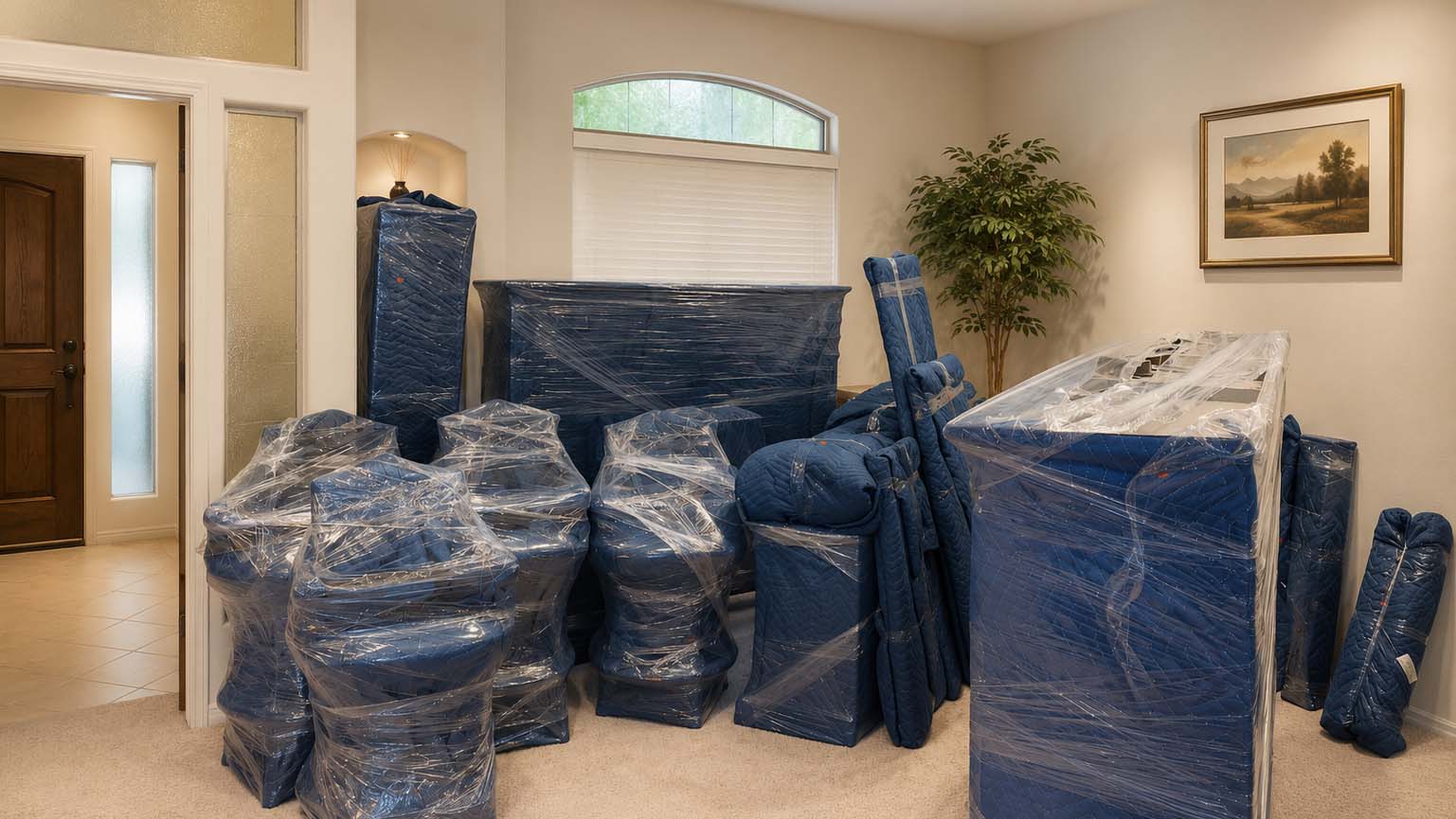
It protects furniture from scratches, surface contact, and minor handling wear. Stretch wrap helps keep the blanket in place.

But blankets do not create rigid structure.

Blanket wrapping may be enough for:

Dressers
Tables
Chairs
Sofas
Bed frames
Sturdy furniture
Short local moves
Low-risk items

Crating may be better for:

Glass
Stone
Marble
Fine art
Large mirrors
Fragile antiques
Sculptures
High-value items
Items going into storage
Items going long distance
Items that cannot tolerate pressure

The simplest difference is this:

Blankets protect surfaces.
Crates protect structure.

Crating vs. Picture Cartons

Picture cartons and mirror cartons are useful for many framed pieces.

They are faster and less expensive than custom crates, and they work well for many household art and mirror items.

Picture cartons may be appropriate for:

Small to medium framed artwork
Some mirrors
Framed prints
Canvas pieces
Wall decor
Lower-risk local moves

Crating may be better when the item is:

Too large for a standard carton
Too valuable for ordinary cartons
Too fragile for cardboard protection
Going long distance
Going into storage
Glass-heavy
Irreplaceable
Oversized or unusually shaped

A picture carton is protection. A crate is stronger protection.

How the Crating Process Usually Works

The crating process usually starts with information.

Useful details include:

Item type
Dimensions
Approximate weight
Photos
Material
Fragility
Value level
Pickup and delivery addresses
Whether stairs or elevators are involved
Whether the item is going into storage
Whether the move is local or long distance
Whether the item will be handled by more than one company

From there, the item can be evaluated for the right protection method.

A crating plan may include:

Measuring the item
Determining whether a crate is necessary
Choosing full crate, slat crate, or other protection
Planning interior padding or blocking
Confirming handling requirements
Planning loading and unloading
Coordinating timing before move day

Crating is not usually something to improvise the morning of the move. It should be discussed early.

Preparing Items for Crating

Customers can help by identifying crating needs before moving day.

Before the move:

Identify fragile, valuable, oversized, or irreplaceable items.
Take photos of each item.
Measure large pieces if possible.
Tell us if the item has glass, stone, marble, ceramic, or delicate parts.
Point out existing damage, weak spots, loose frames, or repairs.
Keep appraisals, receipts, and value documents with you.
Decide whether the item is going to a home, storage, container, or another destination.
Do not wait until moving day to mention high-value pieces.

The earlier a crating need is identified, the easier it is to plan properly.

What Customers Should Know Before Requesting Crating

Crating is more specialized than standard moving.

It may require:

Advance scheduling
Measurements
Material planning
Additional labor
A separate charge
A third-party crating provider
More time before move day
A different loading plan
Special handling at destination

Crating can increase cost, but it can also prevent much larger losses.

The right question is not always, “Can this be moved without a crate?”

The better question is:

What happens if this item is damaged, and is ordinary protection enough for that risk?

Insurance, Valuation, and Documentation

Crating protects the item physically, but customers should also think about documentation and coverage.

For valuable or irreplaceable items, consider:

Photos before the move
Condition notes
Receipts
Appraisals
Insurance information
Valuation options
Storage requirements
Crating recommendations
Whether a dedicated specialty mover is needed

Moving liability is not always the same as full replacement insurance. If the item is valuable, discuss protection, documentation, and coverage before moving day.

When a Specialty Crating Provider May Be Needed

Moving Buddies can help customers identify crating needs and coordinate specialty protection, but some items may require a dedicated crating or fine art provider.

A specialty crating provider may be the better choice for:

Museum-grade artwork
Very high-value pieces
Large sculptures
Extremely fragile antiques
Climate-sensitive items
Items requiring conservation-grade materials
Items requiring custom engineering
Items requiring freight shipment
Items requiring installation or deinstallation
Items with strict insurance requirements

This is not about making every move complicated. It is about knowing when a normal moving method is not enough.

Getting an Accurate Crating Estimate

To estimate crating service, helpful details include:

Item type
Length, width, height, and depth
Approximate weight
Photos
Material
Fragility
Value level
Pickup and delivery locations
Move date
Whether the item is going into storage
Whether the item is moving locally or long distance
Whether stairs, elevators, or tight access are involved
Whether the item needs to be moved by Moving Buddies after crating

Photos and measurements are especially important because crating depends on the item’s size, shape, and risk level.

Why Choose Moving Buddies for Crating

Crating requires more than materials. It requires judgment. The mover needs to understand how the item is likely to be handled, where it is most vulnerable, how it will sit in the truck, and what kind of protection makes sense for the actual move.

Our experience with specialty moving, heavy items, fine art, fragile belongings, and real-world moving conditions helps us recommend practical protection without turning every item into an unnecessary project.

We focus on careful planning, honest recommendations, and the right level of protection for the item being moved.

FAQ

Do all fragile items need to be crated?

No. Many fragile items can be safely moved with professional padding, wrapping, and careful handling. Crating is usually recommended for items that are especially valuable, delicate, oversized, unusually shaped, or difficult to replace.

What kinds of items commonly need crating?

Common examples include framed art, mirrors, glass tabletops, antiques, sculptures, delicate furniture, electronics, specialty equipment, and fragile items going into storage or longer-distance transport.

Does crating need to be scheduled in advance?

Usually, yes. Custom crating may require advance notice so the item can be measured, evaluated, and properly planned before moving day.

Is crating included in a standard move?

Crating is typically a specialty service and may be priced separately from standard moving labor. If an item may need crating, it should be discussed during the estimate process.

Can you help decide whether an item needs a crate?

Yes. If you are unsure, describe the item, its size, material, value, fragility, and destination. We can help determine whether crating, padding, or another protection method makes the most sense.

Final Takeaway

Crating is not for every item.

Most household goods can be moved safely with good packing, proper padding, and professional handling. But some items need a stronger protective plan.

Fine art, mirrors, glass, marble, stone, antiques, sculptures, and high-value specialty pieces may need custom crating, especially when they are oversized, fragile, irreplaceable, going into storage, or moving long distance.

Moving Buddies helps Tucson and Southern Arizona customers evaluate crating needs and plan safer handling for fragile and high-value items.

A safer specialty move starts before moving day: identify the item, share photos and measurements, disclose fragility or value, and choose the protection level that fits the risk.

Moving Solutions Tailored for You

Ready To Begin Your Journey? Our
Experts Are Here To Help.
GET A QUOTE