Storage Moving Solutions in Tucson, Arizona

Professional Help Moving Belongings Into, Out of, or Between Storage

Storage can be useful during a move, renovation, downsizing project, business transition, estate process, or temporary relocation. However, placing belongings into storage requires more planning than simply stacking boxes inside a unit.

Furniture must be protected, boxes must be strong enough for extended stacking, and the unit should be organized so that important items can be located later. Customers must also consider heat, dust, moisture, access, security, and the possibility that stored belongings may need to be handled again.

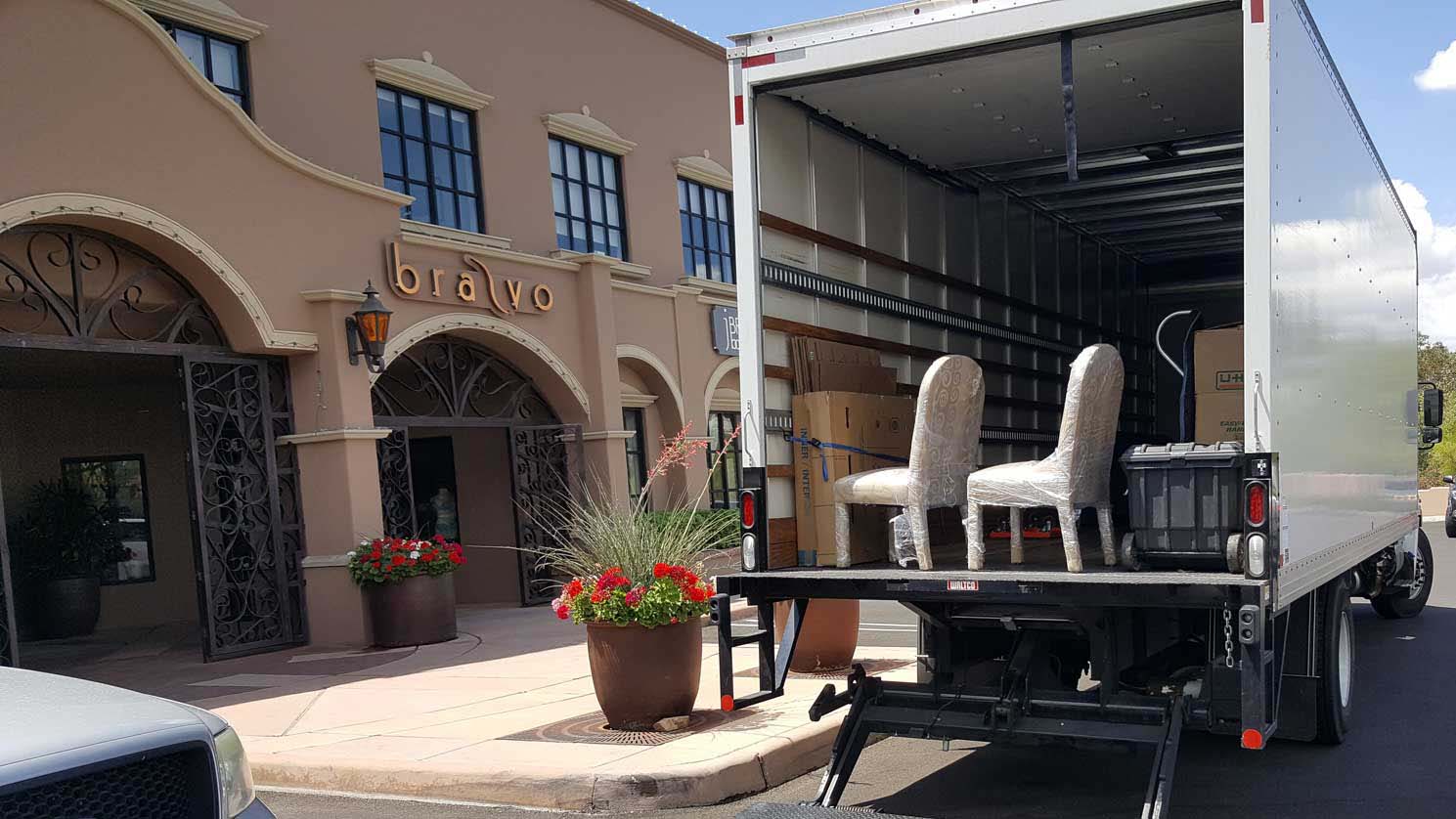
Moving Buddies Tucson AZ provides professional storage-related moving services throughout Tucson and surrounding Southern Arizona communities. We can help move household goods, office furniture, boxed records, business supplies, and other appropriate belongings into or out of customer-selected storage facilities.

Moving Buddies is not necessarily the storage-facility operator. The customer generally rents and maintains the storage unit, while our crew provides the agreed packing, loading, transportation, unloading, and placement services.

What Storage Moving Services Include

The exact scope depends on the inventory, unit type, access conditions, storage duration, and customer’s needs.

Storage-related moving services may include:

  • Moving household belongings into storage
  • Removing belongings from storage
  • Transferring items between storage units
  • Consolidating multiple storage units
  • Moving stored belongings into a home or business
  • Packing items for storage
  • Protecting furniture before storage
  • Loading and unloading
  • Transporting items to or from a storage facility
  • Organizing items inside the unit
  • Creating accessible aisles
  • Placing frequently needed items near the entrance
  • Disassembling selected furniture
  • Reassembling selected furniture after removal
  • Moving business records and office furniture
  • Moving items into portable storage containers
  • Coordinating storage stops during a larger move

Long-term inventory management, climate monitoring, disposal, pest control, and storage-facility administration remain the customer’s responsibility unless otherwise arranged.

When Storage Solutions Are Helpful

Storage may be useful when:

  • Closing dates do not align
  • A new residence is not ready
  • A customer is moving into temporary housing
  • A home is being renovated
  • Furniture must be removed for flooring or painting
  • A customer is downsizing
  • A property is being staged for sale
  • A senior is moving into a smaller residence
  • Family belongings are being divided
  • A business is relocating
  • Seasonal inventory needs temporary space
  • Archived records must be stored
  • A portable container is being used
  • A move involves several destinations
  • The customer needs more time to make decisions

Storage can be used for a few days, several months, or longer, but the packing and protection plan should reflect the expected duration.

Types of Storage Moves

Residential Storage Moves

Residential storage moves may include:

  • Furniture
  • Boxes
  • Appliances
  • Artwork
  • Seasonal decorations
  • Garage contents
  • Patio furniture
  • Clothing
  • Books
  • Household décor
  • Extra beds
  • Family keepsakes

Customers should identify which belongings will remain in storage and which items will be needed soon.

Commercial Storage Moves

Businesses may use storage for:

  • Office furniture
  • Archived files
  • Marketing materials
  • Seasonal inventory
  • Retail displays
  • Trade-show materials
  • Supplies
  • Packaged products
  • Extra equipment
  • Surplus shelving
  • Records awaiting disposal

Commercial records and regulated materials may require additional security and handling procedures.

Portable Storage Containers

Portable containers may be used for:

  • Moving
  • Remodeling
  • Temporary storage
  • Home staging
  • Business transitions
  • Long-distance transportation
  • Gradual loading

Moving Buddies can assist with loading or unloading suitable customer-rented containers.

Storage-Unit Transfers

Customers may need to move items:

  • From a smaller unit to a larger unit
  • From a larger unit to a smaller unit
  • Between facilities
  • From multiple units into one unit
  • From one storage type to another
  • From storage into a residence or business

A complete inventory and access review helps determine the appropriate crew and transportation plan.

How Moving Buddies Approaches Storage Moves

Reviewing the Inventory

The inventory helps determine:

  • Unit-size requirements
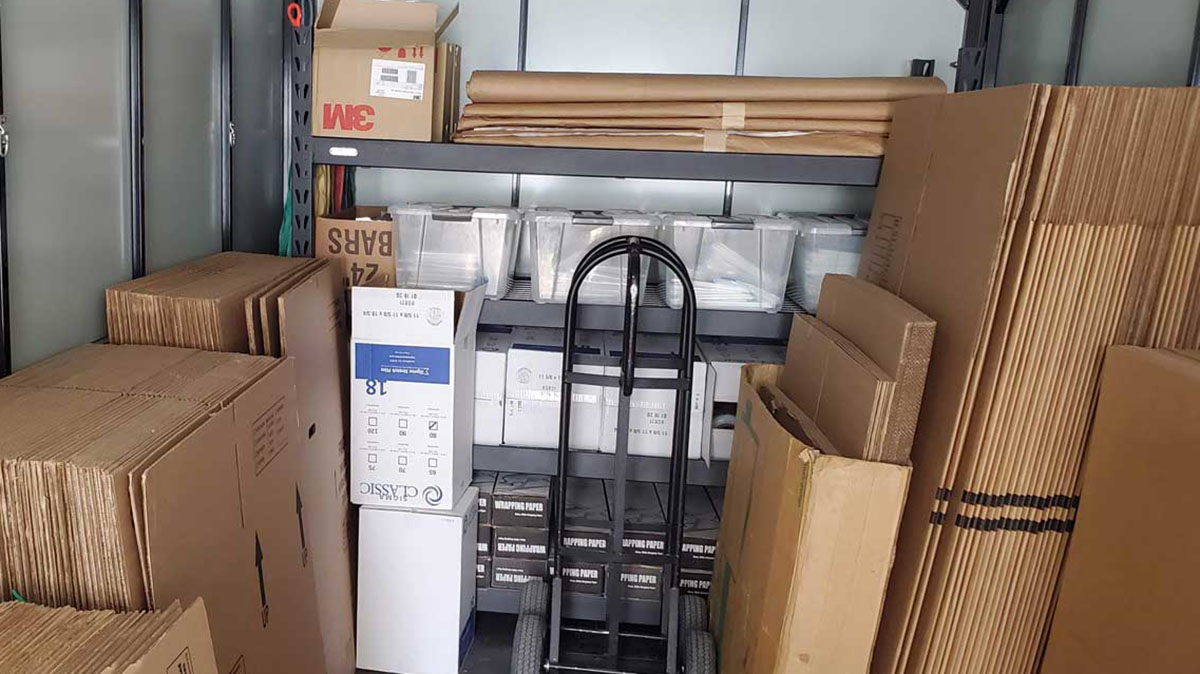
  • Box and material needs
  • Furniture-protection needs
  • Truck space
  • Labor requirements
  • Loading order
  • Accessibility needs
  • Specialty-item concerns

The customer should include belongings in garages, patios, sheds, closets, and existing storage areas.

Considering the Storage Duration

Short-term and long-term storage may require different preparation.

For short-term storage, the priorities may include:

  • Quick access
  • Efficient loading
  • Keeping frequently needed items near the entrance
  • Avoiding unnecessary disassembly

For long-term storage, priorities may include:

  • Stronger packing materials
  • Additional dust protection
  • Climate considerations
  • Moisture control
  • Pest prevention
  • Long-term stacking stability
  • More detailed labeling and inventory

Planning the Unit Layout

Before unloading begins, it helps to decide:

  • Which items are needed first
  • Which items can remain in the back
  • Whether an aisle is necessary
  • Where heavy furniture should go
  • Which boxes can be stacked
  • Which fragile items require separation
  • Whether shelving will be used
  • Whether the unit will be accessed regularly

A storage unit packed only for maximum density may be difficult to use later.

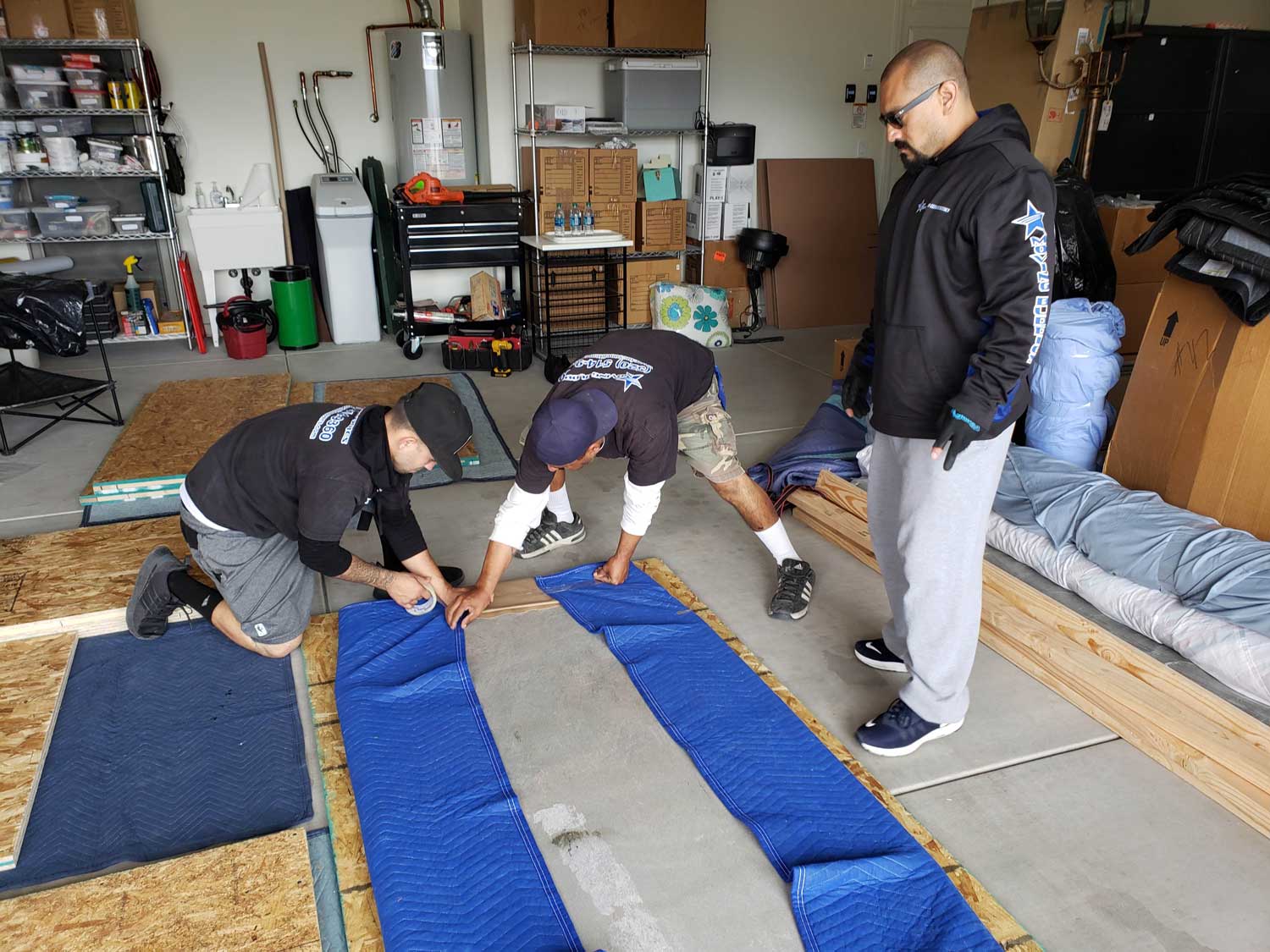
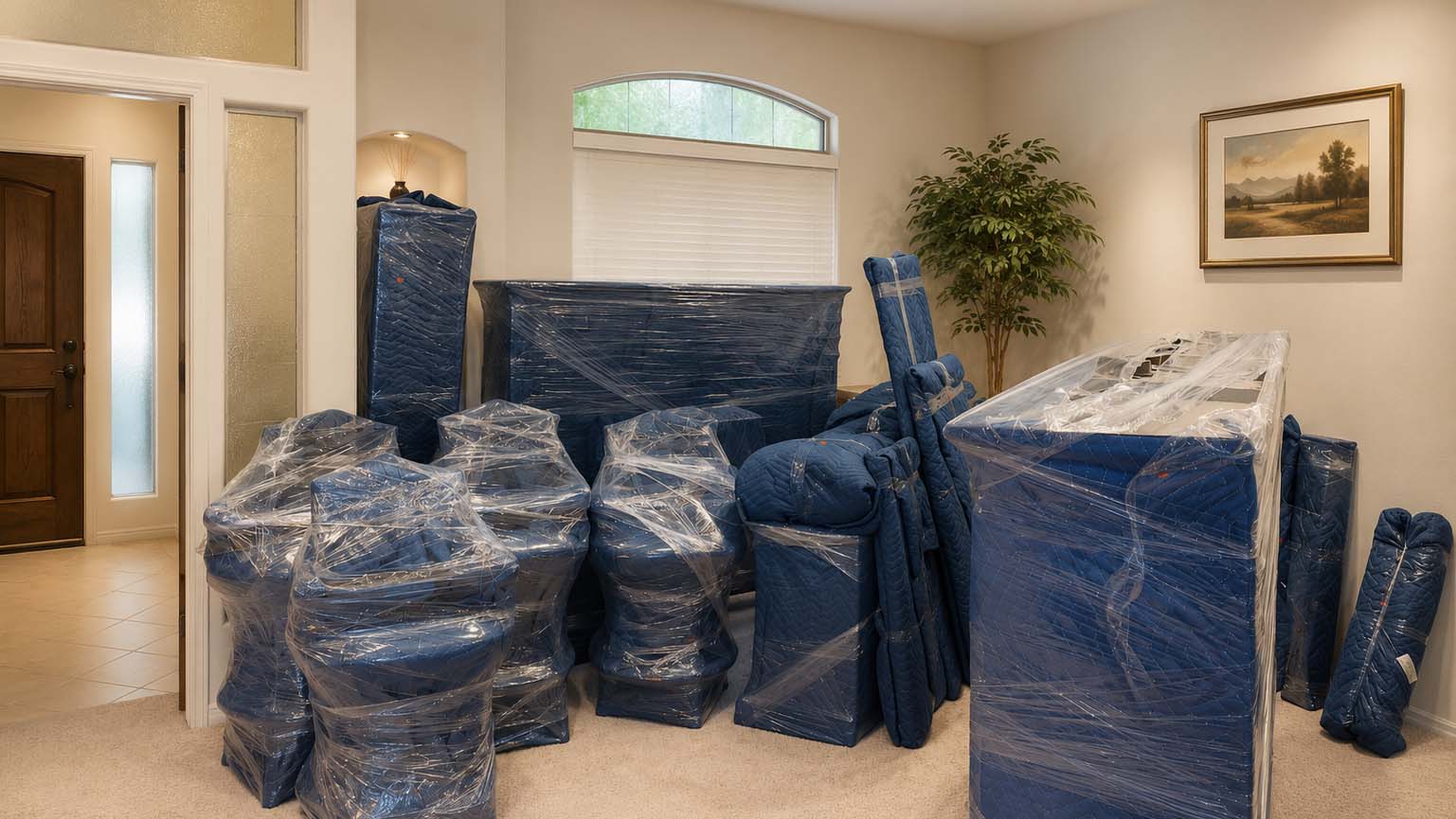
Protecting Furniture

Furniture may be protected with:

  • Moving blankets
  • Furniture covers
  • Stretch wrap over suitable protection
  • Mattress bags
  • Corner protection
  • Cardboard
  • Foam
  • Packing paper
  • Custom crating for selected items

The correct method depends on the item, finish, storage conditions, and duration.

Creating Stable Stacks

Storage boxes should be arranged with heavier, stronger cartons below lighter boxes.

Stable stacking may involve:

  • Consistent box sizes
  • Flat box tops
  • Fully filled cartons
  • Weight distribution
  • Limited stack height
  • Fragile-item separation
  • Avoiding pressure on weak furniture
  • Leaving clearance around sensitive belongings

Poorly packed boxes may collapse during long-term storage.

Choosing the Right Storage Unit

The customer is responsible for selecting and renting the storage space.

Important considerations include:

  • Interior dimensions
  • Door width and height
  • Ceiling height
  • Unit location
  • Ground-level access
  • Elevator access
  • Drive-up access
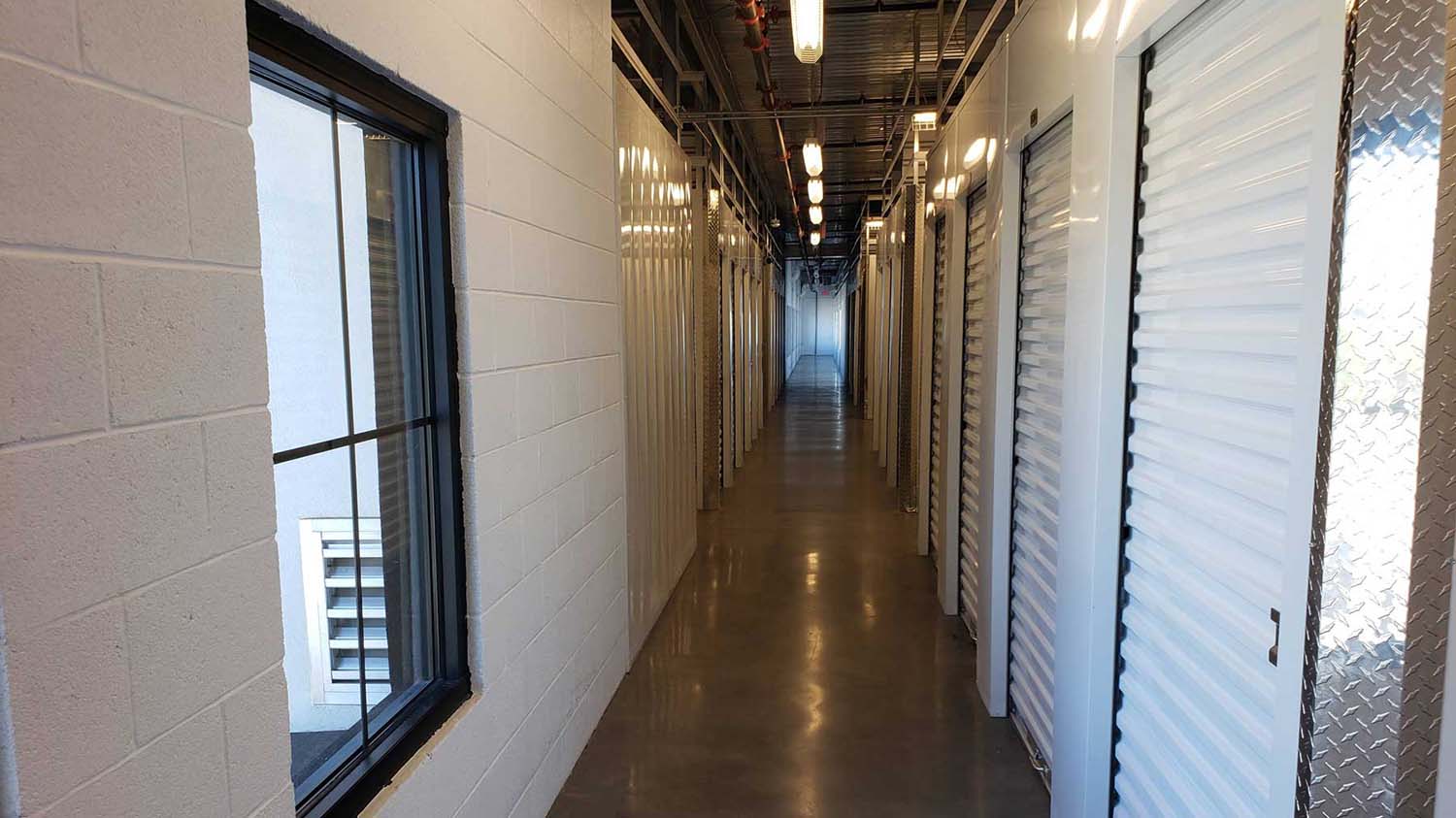
  • Climate control
  • Security features
  • Facility access hours
  • Vehicle restrictions
  • Loading-dock availability
  • Pest-control practices
  • Insurance requirements
  • Prohibited-item policies

The advertised square footage does not always reveal how easily furniture will fit through the unit entrance.

Estimating Storage-Unit Size

Storage size depends on:

  • Total inventory
  • Furniture dimensions
  • Box count
  • Amount of disassembly
  • Whether shelving is used
  • Whether an aisle is needed
  • Whether items will be retrieved regularly
  • Ceiling height
  • Number of bulky items
  • Appliance quantity
  • Storage duration

A unit used only for dense, long-term storage may hold more than one requiring regular access.

Moving professionals can use space efficiently, but they cannot compensate for a unit that is too small.

Climate-Controlled Storage

Climate-controlled storage may be worth considering for belongings sensitive to prolonged heat, cold, or humidity.

These may include:

  • Fine art
  • Antiques
  • Wood furniture
  • Leather furniture
  • Electronics
  • Musical instruments
  • Photographs
  • Important paper records
  • Books
  • Collectibles
  • Certain fabrics
  • Temperature-sensitive business materials

“Climate controlled” can mean different things at different facilities. Customers should ask what temperature and humidity conditions are actually maintained.

Tucson Heat and Storage

Southern Arizona storage conditions can become extremely hot, especially in non-climate-controlled units.

Heat may affect:

  • Electronics
  • Candles and wax products
  • Adhesives
  • Furniture finishes
  • Leather
  • Musical instruments
  • Artwork
  • Photographs
  • Plastics
  • Recorded media
  • Batteries
  • Cosmetics
  • Certain household chemicals

Customers should consider whether sensitive belongings belong in standard storage at all.

Preparing Boxes for Storage

Boxes intended for storage should be:

  • Structurally sound
  • Dry
  • Fully filled
  • Closed flat
  • Taped securely
  • Clearly labeled
  • Free from food residue
  • Kept within a manageable weight

New or professional-grade moving boxes are generally more reliable for extended stacking than worn grocery, shipping, or reused retail cartons.

Choosing Box Sizes

Common moving-box sizes include:

  • 1.5-cubic-foot small boxes for books, records, tools, canned goods, and dense belongings
  • 3.0-cubic-foot medium boxes for general household contents
  • 4.5-cubic-foot large boxes for pillows, bedding, clothing, and other lightweight, bulky items

Large boxes should not be filled with books, dishes, or other dense materials.

Filling Boxes Correctly

Boxes should contain minimal empty space.

Blank packing paper, linens, towels, or another suitable cushioning material can be used to:

  • Prevent contents from shifting
  • Support the box walls
  • Reduce crushing
  • Protect fragile items
  • Keep boxes stackable

Boxes should close naturally without bulging.

Labeling Stored Belongings

Each box should be labeled on more than one side when possible.

Useful label information may include:

  • Room
  • General contents
  • Fragile status
  • Priority level
  • Owner or department
  • Storage date
  • Box number
  • Destination after storage

Avoid labels such as “miscellaneous” when more specific descriptions are possible.

Creating a Storage Inventory

A written or digital inventory can save considerable time later.

The inventory may include:

  • Box number
  • General contents
  • Furniture list
  • Unit number
  • Storage facility
  • Date stored
  • Photograph references
  • High-value items
  • Items near the entrance
  • Items intended for a specific destination

Customers should keep the inventory outside the storage unit.

Furniture Preparation for Storage

Before storage:

  • Clean and dry furniture
  • Empty drawers and cabinets as directed
  • Remove loose shelves
  • Remove detachable glass
  • Disassemble selected pieces
  • Label all components
  • Place hardware in sealed bags
  • Photograph complicated furniture
  • Protect fragile finishes
  • Keep parts with the corresponding item

Furniture should not be stored while damp, dirty, or contaminated with food residue.

Upholstered Furniture

Sofas, chairs, mattresses, and upholstered items require protection from:

  • Dust
  • Moisture
  • Pest exposure
  • Abrasion
  • Compression
  • Contact with dirty floors
  • Prolonged plastic contact

Depending on the item and storage environment, breathable furniture protection may be more appropriate than sealing upholstery tightly in plastic for an extended period.

Mattress Storage

Mattresses should be:

  • Clean and dry
  • Protected with an appropriate mattress bag
  • Stored according to manufacturer recommendations
  • Kept away from moisture
  • Protected from sharp objects
  • Avoided as a base for heavy stacking

The ideal storage position can depend on mattress construction and duration.

Wood Furniture

Wood furniture may be affected by:

  • Extreme temperatures
  • Humidity changes
  • Direct contact with concrete
  • Prolonged pressure
  • Trapped moisture
  • Improper plastic wrapping

Wood pieces should be clean, dry, protected, and stored so that air can circulate when appropriate.

Leather Furniture

Leather may be vulnerable to:

  • Heat
  • Dryness
  • Moisture
  • Compression
  • Plastic contact
  • Sharp objects
  • Poor ventilation

Climate-controlled storage may be appropriate for leather furniture, particularly during extended Tucson storage.

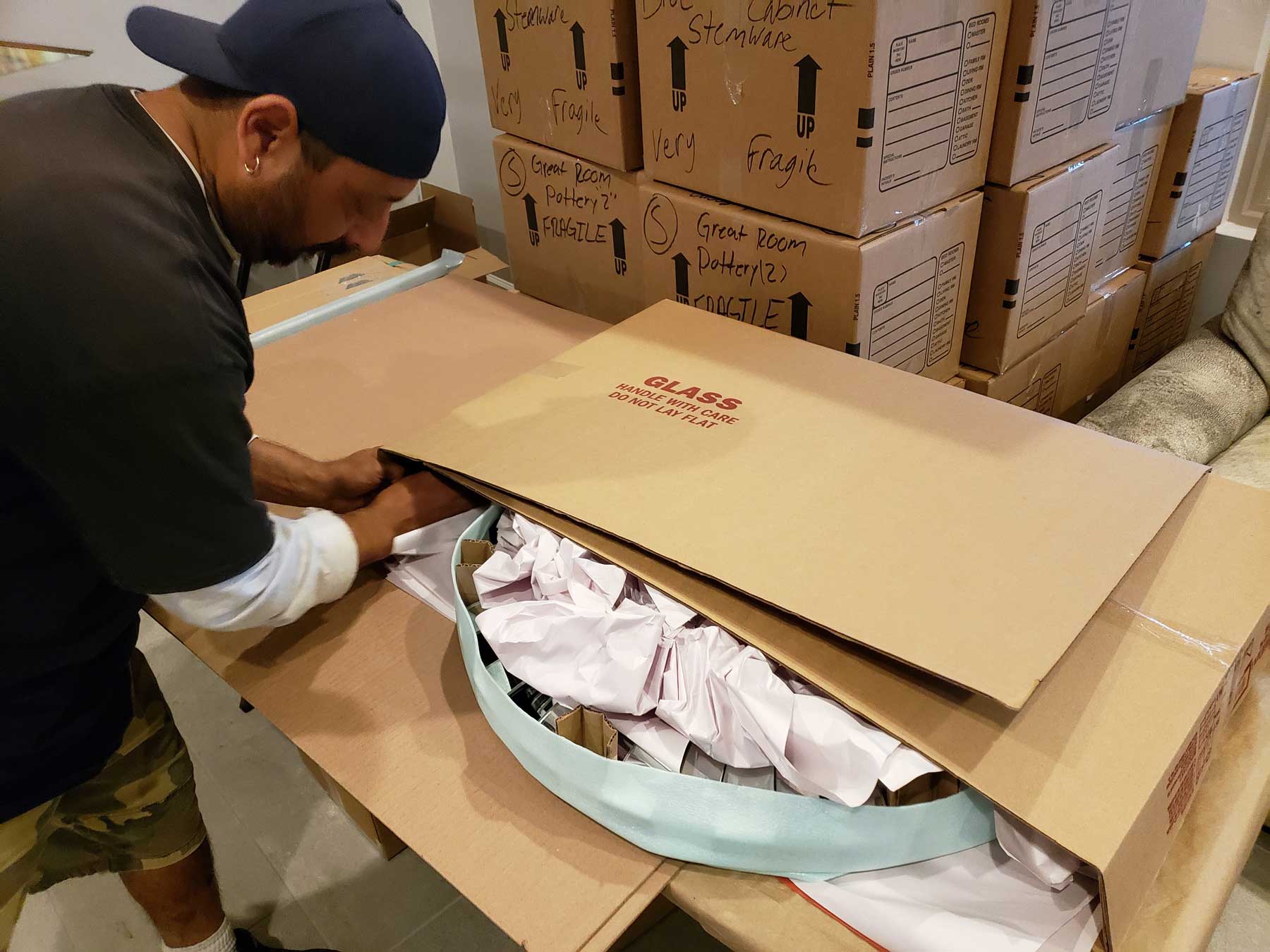
Glass, Mirrors, and Artwork

Glass, mirrors, and framed artwork should generally be:

  • Protected at corners
  • Wrapped appropriately
  • Packed in picture or mirror cartons
  • Stored upright
  • Separated from heavy items
  • Protected from bending pressure
  • Clearly labeled
  • Kept away from unstable stacks

Large or valuable pieces may require custom crating.

Appliances in Storage

Before storing appliances:

  • Disconnect utilities
  • Arrange qualified gas or water disconnection when needed
  • Clean interiors
  • Defrost refrigerators and freezers
  • Drain hoses
  • Dry all components
  • Secure loose parts
  • Leave doors slightly open when appropriate
  • Follow manufacturer instructions
  • Remove food and residue

Appliances stored with trapped moisture can develop odors, mildew, or corrosion.

Electronics in Storage

Electronics should be:

  • Backed up
  • Powered down
  • Clean and dry
  • Packed securely
  • Protected from static and impact
  • Kept with their cables and accessories
  • Labeled
  • Stored away from moisture and extreme temperatures

Climate-controlled storage may be preferable for sensitive electronics.

Books, Files, and Records

Books and paper records should be stored in small, strong boxes.

Recommended practices include:

  • Keep boxes dry
  • Avoid direct contact with concrete
  • Use shelving when appropriate
  • Limit box weight
  • Keep confidential records controlled
  • Label contents clearly
  • Avoid storing paper near possible moisture sources
  • Consider climate control for important records

Businesses should follow applicable retention and privacy requirements.

Garage and Outdoor Items

Before storing garage or patio belongings:

  • Remove fuel
  • Separate propane tanks
  • Clean outdoor furniture
  • Dry cushions
  • Secure sharp tools
  • Drain approved equipment
  • Remove batteries when appropriate
  • Identify chemicals and prohibited materials
  • Group loose hardware
  • Protect metal from moisture

Storage facilities commonly prohibit hazardous and flammable substances.

Items That Should Not Be Stored

Storage facilities generally prohibit or discourage certain belongings.

These may include:

  • Gasoline
  • Propane
  • Ammunition
  • Fireworks
  • Explosives
  • Certain chemicals
  • Pesticides
  • Compressed gases
  • Perishable food
  • Open liquids
  • Live animals
  • Plants
  • Medical waste
  • Illegal items
  • Items prohibited by the facility agreement

Customers should review the facility’s rules before packing.

Items Customers Should Keep With Them

Certain belongings should generally remain under the customer’s direct control.

These may include:

  • Medications
  • Identification
  • Passports
  • Legal documents
  • Financial records
  • Cash
  • Jewelry
  • Keys
  • Irreplaceable photographs
  • Small heirlooms
  • Electronic backups
  • Items needed regularly
  • Storage agreements and access credentials

Valuable items may also require special insurance or secure-storage arrangements.

Storage During a Residential Move

Residential customers may need storage because of:

  • Delayed home closings
  • Temporary housing
  • Renovation
  • Downsizing
  • Home staging
  • Estate settlement
  • Military or employment relocation
  • Construction delays

The move should be planned around which items will go to the residence, storage, family members, donation, or another destination.

Storage During a Senior Move

Senior moves often involve a transition from a larger home to a smaller residence.

Storage may be useful when:

  • Family members need time to collect belongings
  • Furniture decisions are incomplete
  • The new residence is temporary
  • The previous home is being prepared for sale
  • Sentimental belongings need review
  • Estate items must be distributed

Storage can provide time, but customers should also consider ongoing rental costs and the value of the items being stored.

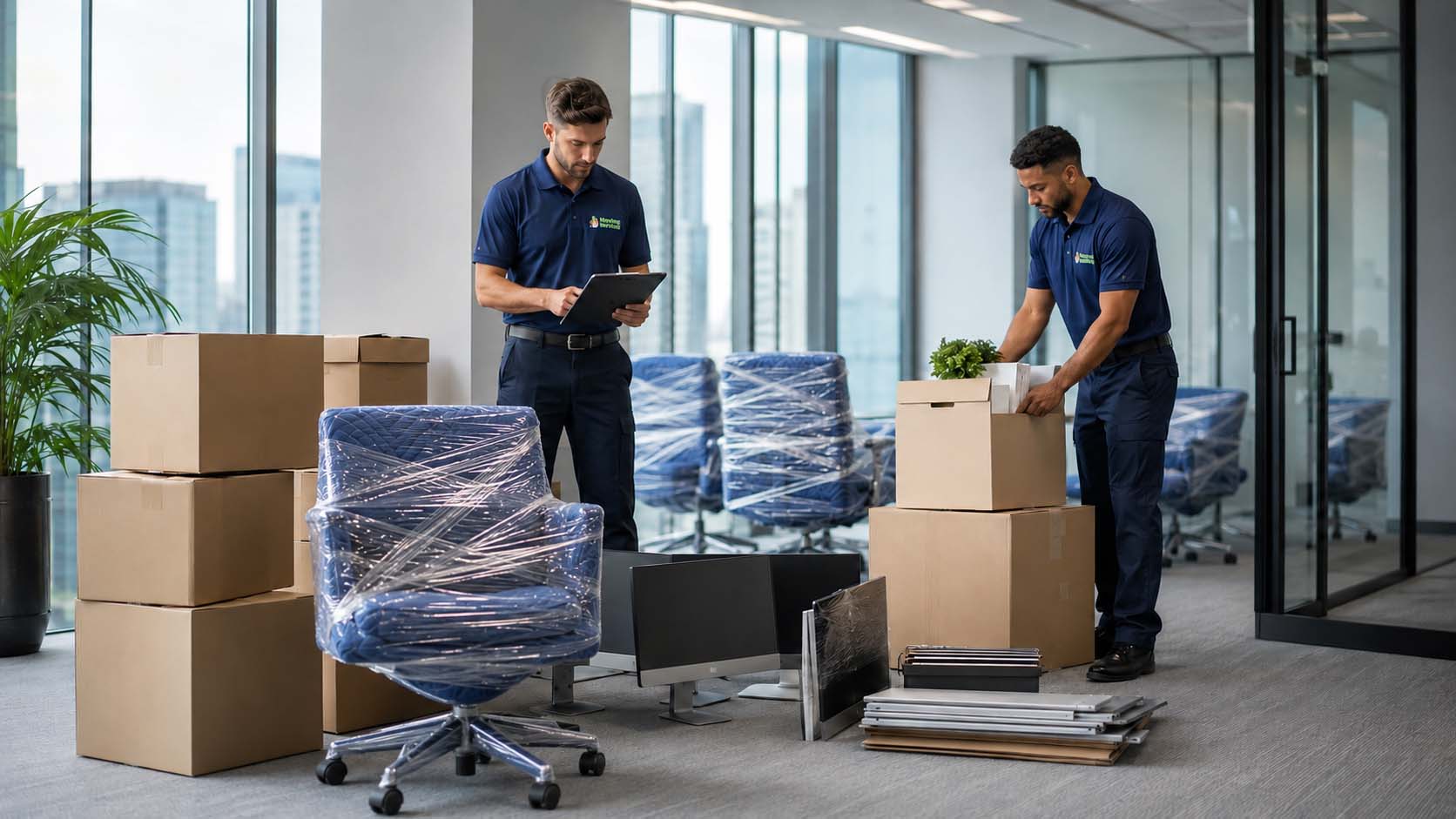
Commercial Storage Solutions

Businesses may use storage during:

  • Office relocation
  • Renovation
  • Inventory changes
  • Seasonal operations
  • Expansion
  • Downsizing
  • Property closure
  • Records management
  • Trade-show scheduling
  • Furniture replacement

Business property should be inventoried and labeled by department, function, or future destination.

Storage During Remodeling

Storage can protect furniture and household goods during:

  • Flooring installation
  • Painting
  • Water-damage restoration
  • Kitchen renovation
  • Room additions
  • Whole-home remodeling
  • Office tenant improvements
  • Retail redesign

Before moving items into storage, determine:

  • How long the project will last
  • Whether the items must be accessed
  • Whether they will return to the same room
  • Whether construction delays are possible
  • Whether the move will require two separate service dates

Portable Storage Containers

Portable containers can provide flexible storage at a residence, facility, or destination.

Before loading a portable container, confirm:

  • Interior dimensions
  • Weight capacity
  • Door clearance
  • Tie-down points
  • Placement location
  • Pickup requirements
  • Prohibited items
  • Weather resistance
  • Storage conditions
  • Transportation schedule

The container should be placed on a stable, accessible surface whenever possible.

Organizing a Storage Unit

A functional storage unit may include:

  • Heavy furniture along stable walls
  • Boxes stacked by weight and strength
  • Fragile items in protected zones
  • An aisle through the unit
  • Frequently needed items near the front
  • Labels facing outward
  • Furniture components grouped together
  • An inventory map
  • Clearance around sensitive belongings

The best layout depends on whether capacity or accessibility is the primary goal.

Maximizing Storage Space

Space may be used more efficiently by:

  • Disassembling suitable furniture
  • Using consistent box sizes
  • Filling boxes completely
  • Using vertical space carefully
  • Storing lightweight items on furniture
  • Nesting suitable items
  • Removing empty space from drawers when approved
  • Using shelving
  • Keeping box tops flat
  • Avoiding irregular bags and open containers

Maximizing capacity should not come at the expense of safe stacking or access.

Removing Items From Storage

Before the crew arrives to remove belongings:

  • Confirm facility access
  • Verify gate codes
  • Confirm unit number
  • Clear any lock or payment issues
  • Identify items being removed
  • Separate items remaining in storage
  • Provide a destination address
  • Confirm vehicle access
  • Identify damaged boxes
  • Have a placement plan
  • Keep required documents available

If only selected items are being removed, they should be accessible or clearly identified.

Storage Unit Clean-Outs

Moving Buddies may assist with removing appropriate moveable belongings from a storage unit.

However, a storage clean-out may also involve:

  • Disposal
  • Donation
  • Debris
  • Damaged property
  • Pest contamination
  • Mold
  • Hazardous materials
  • Abandoned goods

These conditions should be disclosed before scheduling. Disposal and hazardous cleanup may require another provider.

Multiple Storage Units

Customers may need help consolidating several units.

A consolidation project should include:

  • Inventorying each unit
  • Identifying duplicate items
  • Determining what will remain
  • Selecting the destination unit
  • Confirming unit capacity
  • Planning the load order
  • Separating donation or disposal items
  • Labeling retained property
  • Updating the inventory

Moving everything without sorting may simply transfer the organizational problem to another unit.

Storage Facility Access

Important facility details include:

  • Gate hours
  • Office hours
  • Elevator access
  • Loading-dock availability
  • Drive-up access
  • Cart availability
  • Hallway length
  • Unit floor
  • Door dimensions
  • Parking restrictions
  • Truck-size limitations
  • Security check-in
  • Required identification

Access conditions can significantly affect labor time.

Storage Insurance and Valuation

Customers should review both the storage facility’s requirements and the moving-service protection terms.

Questions may include:

  • Whether storage insurance is required
  • What the facility’s policy covers
  • Whether homeowner or renter insurance applies
  • Whether flood, heat, pests, or mold are excluded
  • What moving valuation applies during transportation
  • Whether high-value items must be declared
  • How claims are documented
  • Whether third-party coverage is appropriate

Moving valuation and storage insurance are separate considerations.

Common Storage Mistakes

Choosing a Unit That Is Too Small

An undersized unit may require unsafe stacking, a second unit, or another move.

Using Weak Boxes

Worn or partially filled cartons can collapse during long-term stacking.

Storing Damp Items

Moisture can lead to odor, mildew, corrosion, and property damage.

Failing to Label Boxes

Unlabeled boxes make retrieval difficult and may require the entire unit to be rearranged.

Blocking Needed Items

Frequently needed belongings should not be placed behind the entire shipment.

Storing Prohibited Materials

Hazardous or perishable items may violate the storage agreement and create safety risks.

Ignoring Tucson Heat

Standard storage conditions may not be appropriate for temperature-sensitive belongings.

Storing Without an Inventory

Customers may forget what is stored, where it is located, or whether continued storage is worthwhile.

Preparing for a Storage Move

Before moving day:

  • Rent and confirm the storage unit
  • Review facility rules
  • Confirm gate and elevator access
  • Measure the unit entrance
  • Create an inventory
  • Decide what is being stored
  • Remove prohibited materials
  • Pack and label boxes
  • Clean and dry furniture
  • Identify fragile items
  • Separate valuables
  • Decide which items need front access
  • Arrange insurance
  • Confirm transportation
  • Keep access codes available
  • Designate one decision-maker

The unit should be ready and accessible before the moving crew arrives.

Preparation Tips

To prepare belongings for storage:

  • Use strong moving boxes
  • Fill cartons completely
  • Label several sides
  • Keep heavy items in small boxes
  • Clean and dry all belongings
  • Protect furniture appropriately
  • Remove food and liquids
  • Drain approved equipment
  • Separate hazardous materials
  • Organize hardware
  • Create a written inventory
  • Plan the unit layout
  • Keep needed items near the entrance
  • Consider climate control
  • Avoid direct contact with bare concrete
  • Confirm facility access rules
  • Keep valuables and documents with you
  • Review the storage agreement carefully

The preparation method should reflect how long the belongings will remain in storage.

Factors That Affect Storage Moving Time

Storage moving time may depend on:

  • Total inventory
  • Box count
  • Furniture size and weight
  • Amount of disassembly
  • Packing readiness
  • Unit size
  • Unit floor
  • Elevator access
  • Hallway length
  • Drive-up access
  • Facility gate procedures
  • Walking distance
  • Truck parking
  • Number of storage units
  • Organization requirements
  • Fragile or specialty items
  • Number of pickup or delivery locations
  • Customer readiness
  • Accessibility of existing stored items

A well-packed, accessible unit can usually be handled more efficiently than a disorganized or overfilled one.

Getting an Accurate Estimate

To receive a more accurate storage moving estimate, be prepared to provide:

  • Pickup address
  • Storage-facility address
  • Final destination when applicable
  • Requested service date
  • Storage-unit size
  • Unit floor
  • Drive-up or interior access
  • Elevator availability
  • Hallway or walking distance
  • Gate and access hours
  • Complete furniture inventory
  • Approximate box count
  • Appliances
  • Fragile or high-value items
  • Packing-service needs
  • Furniture-protection needs
  • Disassembly requirements
  • Number of storage units
  • Additional pickup or delivery stops
  • Whether the unit is being loaded or emptied
  • Whether frequent item access is needed
  • Photographs, video, or inventory information when requested

Moving Buddies Tucson AZ can use this information to recommend an appropriate crew, estimate the likely labor requirements, identify packing and protection needs, and create a practical plan for moving belongings into, out of, or between storage locations.

Moving Solutions Tailored for You

Ready To Begin Your Journey? Our
Experts Are Here To Help.
GET A QUOTE