Commercial Moving Services in Tucson, AZ

Organized Moving Support for Businesses and Commercial Properties

Commercial moves require careful coordination. A business may need to relocate furniture, equipment, inventory, records, fixtures, supplies, and technology while continuing to serve customers and manage daily operations.

Moving Buddies Tucson AZ provides commercial moving services for businesses and organizations throughout Tucson and nearby Southern Arizona communities. We can assist with complete business relocations, internal moves, storage transfers, equipment moves, furniture rearrangement, and selected portions of a larger commercial project.

Our approach emphasizes planning, clear labeling, careful handling, efficient placement, and practical coordination with business owners, property managers, employees, and other service providers.

What Commercial Moving Services Include

The exact scope depends on the type of business, inventory, buildings, equipment, access conditions, and schedule.

Commercial moving services may include:

  • Moving commercial furniture
  • Transporting boxed files and supplies
  • Moving office equipment
  • Relocating shelving and storage contents
  • Loading and unloading inventory
  • Moving retail displays
  • Moving worktables and benches
  • Transporting standard business equipment
  • Disassembling and reassembling selected furniture
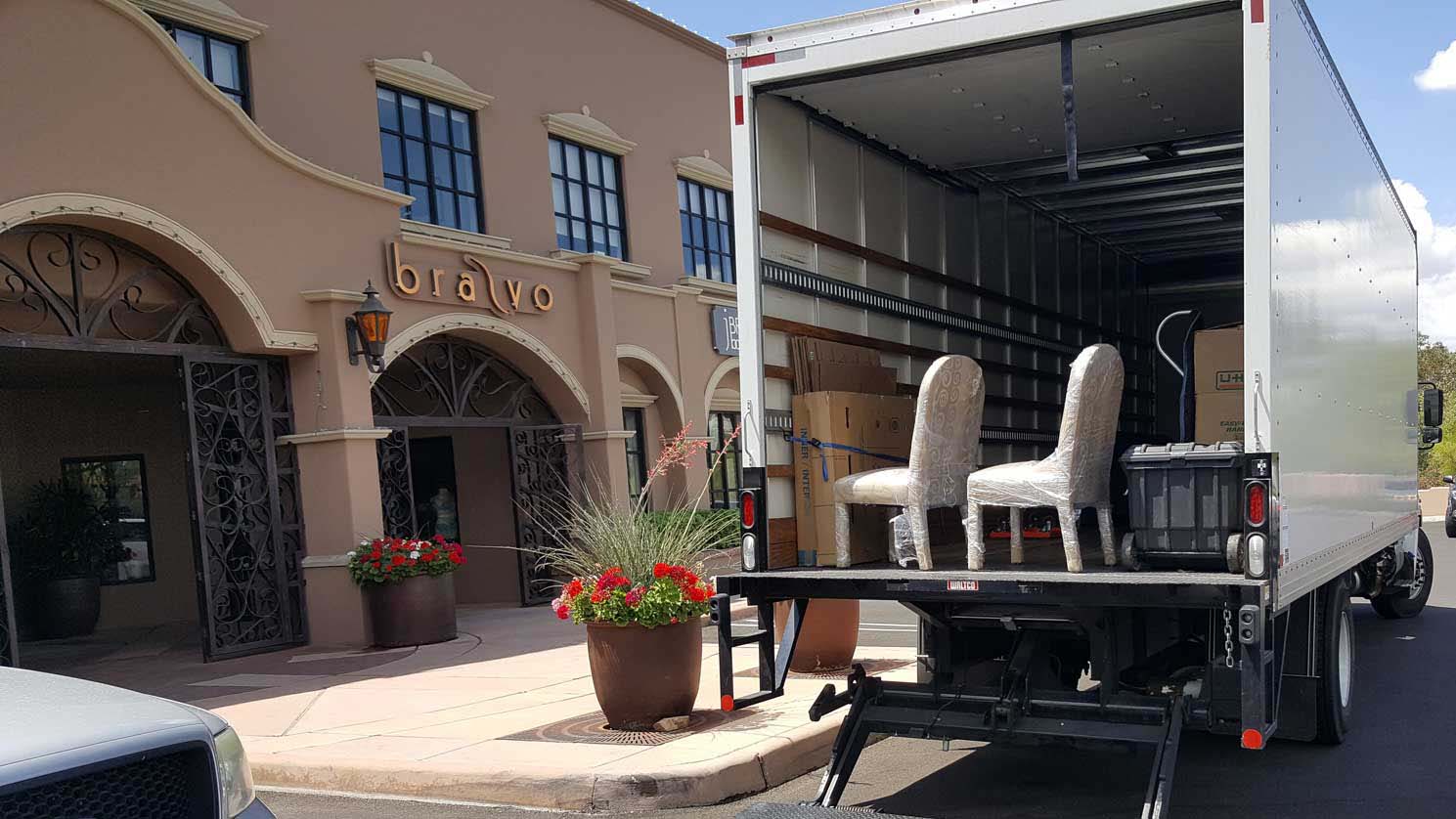
  • Loading and unloading moving trucks
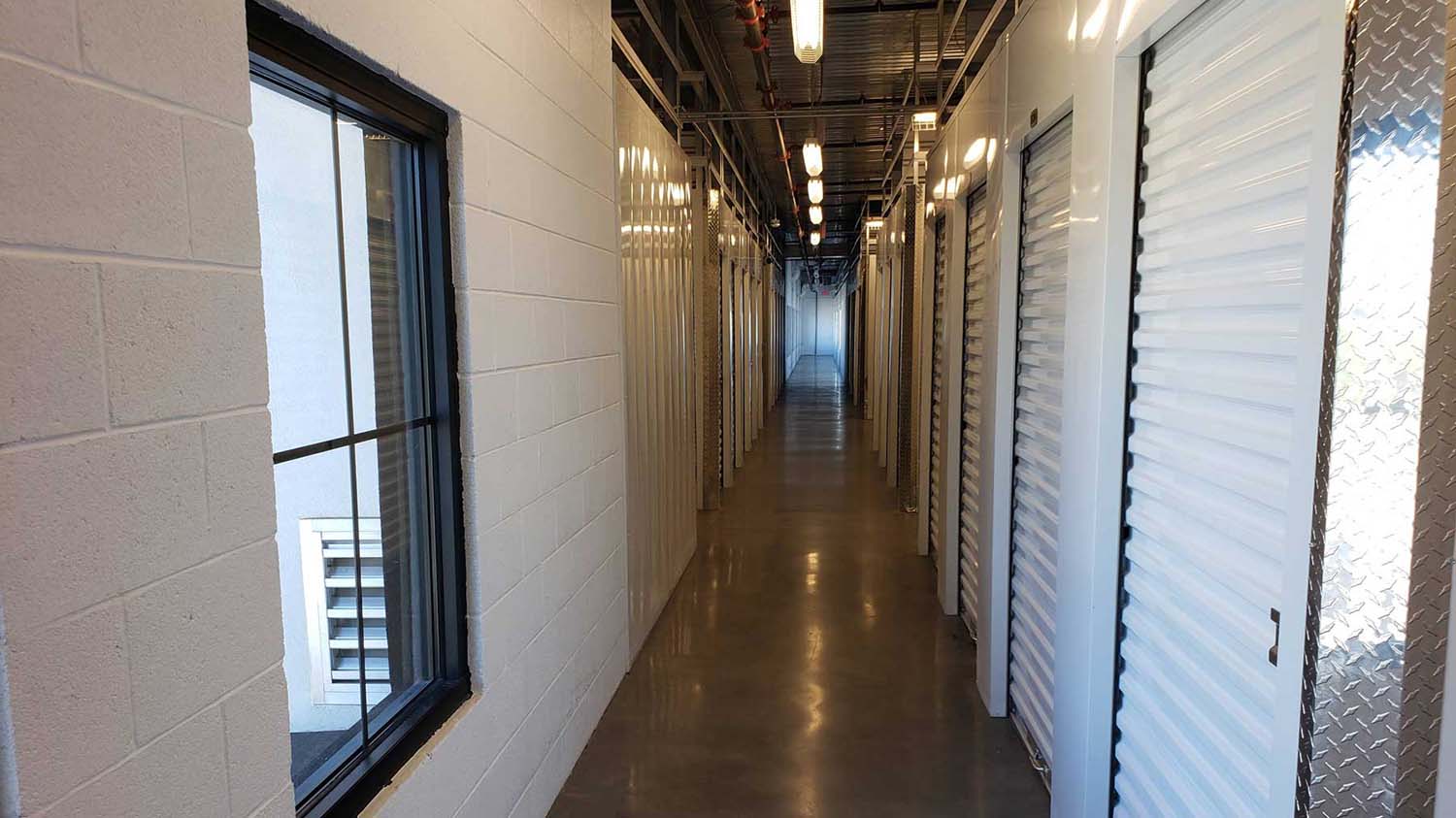
  • Moving items into or out of commercial storage
  • Internal business rearrangement
  • Department or workstation relocation
  • Moving contents between suites or buildings
  • Placing furniture and equipment according to a floor plan
  • Packing or unpacking selected business contents
  • Coordinating multiple pickup or delivery locations

Specialized machinery, industrial equipment, medical devices, server systems, hazardous materials, and unusually heavy items may require additional planning or a specialty provider.

When Commercial Moving Service Is Helpful

Professional commercial movers can help when:

  • A business is relocating to a new property
  • A company is expanding into a larger space
  • Operations are moving into a smaller facility
  • Multiple offices or departments are being combined
  • A retail location is opening or closing
  • Furniture and equipment are being placed into storage
  • Stored business property is returning to service
  • A commercial property is being renovated
  • Departments are moving between floors or suites
  • A business is reorganizing its workspace
  • Equipment is being transferred between locations
  • Furniture must be removed before construction
  • Inventory is being consolidated
  • A nonprofit or community organization is relocating
  • A temporary business location is being established

Commercial moving services can be used for a complete relocation or only the labor-intensive portions of the project.

Types of Commercial Moves

Office Relocations

Office moves may involve:

  • Desks
  • Chairs
  • Conference tables
  • Filing cabinets
  • Computers
  • Monitors
  • Printers
  • Workstations
  • Reception furniture
  • Break-room contents
  • Storage rooms
  • Boxed records and supplies

Office relocations should include a clear labeling system and destination floor plan.

Retail Moves

Retail moves may include:

  • Display fixtures
  • Shelving
  • Counters
  • Boxed merchandise
  • Stockroom contents
  • Office furniture
  • Signage components
  • Storage racks
  • Point-of-sale equipment
  • Decorative displays

The business should determine whether fixtures are freestanding, permanently attached, or subject to landlord requirements.

Warehouse and Storage Moves

Commercial storage moves may involve:

  • Boxed inventory
  • Records
  • Supplies
  • Shelving contents
  • Marketing materials
  • Trade-show equipment
  • Tools
  • Furniture
  • Packaged products
  • Seasonal inventory

Warehouse shelving, palletized freight, industrial racking, forklifts, and heavy machinery may require commercial rigging or freight-handling specialists.

Service-Business Moves

Moving Buddies may assist service companies relocating:

  • Administrative offices
  • Tools and standard equipment
  • Storage contents
  • Worktables
  • Shelving
  • Supplies
  • Customer files
  • Furniture
  • Packaged materials

Hazardous chemicals, compressed gases, fuel, and regulated materials must be handled according to applicable requirements and may not be accepted for transport.

Nonprofit and Community Organization Moves

Nonprofits, associations, schools, religious organizations, and community groups may need help moving:

  • Furniture
  • Supplies
  • Records
  • Donated goods
  • Event materials
  • Educational resources
  • Storage contents
  • Administrative equipment

A designated coordinator should identify priorities and approve placement decisions.

How Moving Buddies Approaches Commercial Moving

Understanding the Business Operation

Before planning the physical move, it is important to understand how the business uses its current space.

Planning may include:

  • Identifying departments
  • Reviewing essential work areas
  • Determining what must remain operational
  • Establishing the move sequence
  • Identifying high-priority equipment
  • Reviewing storage and inventory
  • Confirming building restrictions
  • Coordinating with technology providers
  • Determining what will be moved, stored, sold, donated, or discarded
  • Establishing who has decision-making authority

The physical move should support the company’s operational plan rather than interfere with it.

Creating a Detailed Inventory

A commercial inventory may include:

  • Furniture
  • Equipment
  • Boxes
  • Filing cabinets
  • Shelving
  • Inventory
  • Fixtures
  • Electronics
  • Storage contents
  • Specialty items
  • Materials going to separate destinations

A detailed inventory helps determine crew size, equipment needs, truck capacity, service time, and placement requirements.

Developing a Moving Sequence

Commercial moves are often more efficient when completed in planned stages.

A sequence may prioritize:

  • Essential departments
  • Customer-facing areas
  • Technology rooms
  • Reception
  • Management offices
  • Inventory
  • Storage areas
  • Break rooms
  • Nonessential furniture

The order of loading should support the desired order of unloading and setup.

Using a Clear Labeling System

Every box, furniture item, and piece of equipment should be assigned to a destination.

Labels may identify:

  • Department
  • Employee
  • Room
  • Floor
  • Workstation
  • Storage zone
  • Priority level
  • Delivery location

Color coding, numbering, or a combination of both can help reduce confusion.

Protecting Furniture and Equipment

Commercial items may be protected with:

  • Moving blankets
  • Stretch wrap
  • Corner protection
  • Cardboard
  • Foam
  • Furniture covers
  • Mattress-style protective bags
  • Tie-down straps
  • Custom crating

The appropriate protection depends on the item’s weight, surface, fragility, shape, and transportation requirements.

Commercial Moving Versus Office Moving

Office moving is one type of commercial moving, but commercial relocation can involve a broader range of environments and property.

Commercial moves may include:

  • Retail inventory
  • Storage facilities
  • Warehouse contents
  • Workbenches
  • Display fixtures
  • Service equipment
  • Shelving
  • Packaged products
  • Multi-location deliveries
  • Business furniture
  • Administrative offices

Commercial projects may also require coordination with contractors, property managers, installers, technology providers, and equipment vendors.

Reducing Business Interruption

A business move should be planned around operational needs.

Ways to reduce downtime include:

  • Moving during low-volume periods
  • Packing nonessential items early
  • Moving departments in phases
  • Setting up essential work areas first
  • Preparing a destination floor plan
  • Confirming utilities and internet service
  • Scheduling IT support
  • Labeling every item
  • Reserving elevators and loading docks
  • Communicating the schedule to employees
  • Updating customers and vendors
  • Maintaining access to important files
  • Testing essential systems after setup

Moving Buddies handles the agreed physical moving services, while the business should maintain its own continuity and technology plan.

Assigning a Commercial Move Coordinator

One person should serve as the primary contact for the project.

The coordinator should be able to:

  • Approve changes
  • Confirm the inventory
  • Answer questions
  • Communicate with property management
  • Coordinate employees
  • Confirm placement
  • Identify priority items
  • Resolve access issues
  • Approve additional work
  • Coordinate vendors

A backup contact should also be identified in case the primary coordinator is unavailable.

Creating a Destination Floor Plan

A destination plan should identify where furniture, equipment, inventory, and boxes belong.

The plan may include:

  • Departments
  • Offices
  • Workstations
  • Reception
  • Conference rooms
  • Retail areas
  • Stockrooms
  • Storage areas
  • Break rooms
  • Equipment zones
  • Shipping and receiving
  • Customer-service areas

Rooms and zones should be labeled before unloading begins.

Packing for a Commercial Move

Pack by Department or Function

Each department should pack and label its own contents according to the relocation plan.

Boxes may be marked with:

  • Department
  • Employee
  • Destination room
  • Contents
  • Priority
  • Security level

Items going to storage or another location should be separated physically.

Use Appropriate Boxes

Common moving-box sizes include:

  • 1.5-cubic-foot small boxes for files, books, tools, and dense materials
  • 3.0-cubic-foot medium boxes for general office and business contents
  • 4.5-cubic-foot large boxes for lightweight, bulky items

Paper, books, catalogs, and files should generally be packed in smaller cartons.

Fill and Seal Boxes Completely

Commercial boxes should be:

  • Structurally sound
  • Closed flat
  • Taped securely
  • Labeled clearly
  • Within a manageable weight
  • Filled enough to resist collapse

Open cartons and loosely packed containers are difficult to stack safely.

Separate Essential Materials

Items needed immediately after the move should be labeled and grouped separately.

These may include:

  • Customer records
  • Employee files
  • Basic office supplies
  • Network equipment
  • Phones
  • Payment-processing equipment
  • Keys
  • Access cards
  • Current inventory
  • Daily operational materials

Moving Computers and Electronics

Technology requires a separate preparation plan.

Before moving:

  • Back up important data
  • Shut equipment down properly
  • Photograph cable connections
  • Label every device
  • Label cables and power supplies
  • Remove media and storage devices
  • Pack accessories with the correct workstation
  • Separate sensitive data
  • Coordinate with IT professionals
  • Confirm electrical and network readiness at the destination

Moving crews can transport properly prepared electronics, but they generally do not replace trained IT technicians.

Servers and Network Equipment

Server racks, network systems, data-storage devices, and telecommunications equipment may require specialized handling.

The business should arrange qualified personnel to:

  • Back up data
  • Shut systems down
  • Disconnect equipment
  • Secure drives
  • Prepare racks
  • Remove batteries when required
  • Reconnect systems
  • Test networks
  • Verify data integrity

Server racks and large systems may require specialty equipment or dedicated technology movers.

Confidential and Regulated Materials

Businesses may possess records subject to privacy, security, contractual, or regulatory requirements.

Examples include:

  • Employee files
  • Customer information
  • Financial records
  • Medical records
  • Legal files
  • Proprietary documents
  • Access credentials
  • Data-storage devices

The customer is responsible for determining required handling procedures.

Sensitive materials may need to be:

  • Packed by authorized personnel
  • Sealed
  • Inventoried
  • Supervised
  • Transported separately
  • Delivered directly to a designated employee
  • Stored in locked containers

Moving Buddies should be informed when special custody procedures are required.

Filing Cabinets and Records

Filing cabinets vary in size and weight.

Before moving them:

  • Determine whether they must be emptied
  • Lock drawers when possible
  • Remove keys after locking
  • Secure loose drawers
  • Label the destination
  • Identify confidential contents
  • Remove excess weight
  • Confirm floor-loading limits if unusually heavy

Lateral filing cabinets often need to be emptied before transportation.

Moving Retail Inventory

Retail inventory should be organized before the move.

Recommended steps include:

  • Complete a current inventory
  • Separate damaged or obsolete merchandise
  • Pack products by department or category
  • Label boxes with stock locations
  • Protect fragile merchandise
  • Keep high-value inventory controlled
  • Identify temperature-sensitive products
  • Separate prohibited materials
  • Plan the order of restocking
  • Keep essential point-of-sale materials accessible

The business should determine whether merchandise requires special security, temperature control, or chain-of-custody procedures.

Fixtures and Displays

Commercial fixtures may include:

  • Shelving
  • Display racks
  • Counters
  • Freestanding partitions
  • Product displays
  • Cabinets
  • Sign frames
  • Storage units

Before moving fixtures, determine:

  • Whether they are freestanding
  • Whether they are attached to walls or floors
  • Whether they can be disassembled
  • Whether landlord approval is required
  • Whether electrical components are involved
  • Whether glass or stone is present
  • Whether specialty installers are needed

Moving Buddies generally does not remove permanently installed fixtures unless specifically reviewed and approved.

Commercial Furniture Disassembly

Some commercial furniture may require disassembly.

Examples include:

  • Desks
  • Conference tables
  • Modular furniture
  • Reception counters
  • Shelving
  • Workstations
  • Storage cabinets
  • Display units
  • Break-room tables

Hardware should be placed in labeled bags and matched to the correct furniture.

Complex cubicle systems, built-in cabinetry, and proprietary modular systems may require manufacturer-trained installers.

Printers, Copiers, and Business Machines

Small desktop equipment may be handled like other electronics after proper preparation.

Large machines may require:

  • Vendor shutdown
  • Shipping locks
  • Fluid removal
  • Internal securing procedures
  • Manufacturer-approved transportation
  • Specialized dollies
  • Lift-gate service
  • Recalibration
  • Professional reinstallation

This may apply to:

  • Production printers
  • Large copiers
  • Mailing machines
  • Commercial shredders
  • Specialized imaging equipment
  • Vending machines
  • Leased equipment

The equipment provider should be consulted before moving leased or specialized machines.

Tools and Service Equipment

Commercial moves may include tools and standard service equipment.

Before moving them:

  • Drain fuel where required
  • Remove batteries when appropriate
  • Secure sharp tools
  • Pack loose components
  • Label tool cases
  • Separate hazardous materials
  • Secure moving parts
  • Confirm equipment weight
  • Identify lifting points
  • Review manufacturer instructions

Fuel, chemicals, gases, and regulated materials may not be transported.

Warehouses and Industrial Environments

Moving Buddies may assist with appropriate boxed, packaged, and movable contents in warehouse or light-commercial settings.

However, industrial projects may require specialists when they involve:

  • Heavy machinery
  • Palletized freight
  • Forklifts
  • Industrial racking
  • Production lines
  • Rigging
  • Cranes
  • Hazardous materials
  • Extremely heavy equipment
  • Equipment requiring calibration
  • Electrical or mechanical disconnection

These items should be disclosed before scheduling.

Building Management Requirements

Commercial properties often have specific moving rules.

These may include:

  • Approved moving hours
  • Loading-dock reservations
  • Freight-elevator reservations
  • Certificate-of-insurance requirements
  • Vendor registration
  • Floor protection
  • Security check-in
  • Parking permits
  • Truck-size restrictions
  • Service-entrance requirements
  • After-hours access
  • Noise restrictions
  • Property-management approval

The customer should obtain and share all requirements before the move is confirmed.

Loading Dock and Freight Elevator Coordination

Loading docks and elevators can determine the pace of a commercial move.

Confirm:

  • Reservation times
  • Dock height
  • Ramp availability
  • Freight-elevator dimensions
  • Elevator weight limits
  • Truck clearance
  • Security procedures
  • Required protective materials
  • Access to service corridors
  • Overtime charges
  • Shared dock schedules

Delays may occur when access has not been reserved.

Parking and Exterior Access

Commercial access details may include:

  • Loading zones
  • Downtown parking restrictions
  • Metered parking
  • Parking garages
  • Height limitations
  • Long carries
  • Gated access
  • Service alleys
  • Loading ramps
  • Uneven surfaces
  • Shared commercial entrances
  • Street closures

These details should be disclosed during the estimate process.

Moving Into or Out of Commercial Storage

Businesses may use storage for:

  • Archived records
  • Extra furniture
  • Seasonal inventory
  • Marketing materials
  • Trade-show displays
  • Equipment
  • Supplies
  • Packaged merchandise
  • Fixtures
  • Documents awaiting disposal

Storage items should be labeled and inventoried so they can be located later.

When arranging storage, consider:

  • Unit size
  • Climate control
  • Access hours
  • Loading-dock availability
  • Elevator access
  • Security
  • Shelving
  • Long-term retrieval needs
  • Prohibited materials

Multi-Location Commercial Moves

Some projects involve more than one pickup or delivery location.

Examples include:

  • Consolidating offices
  • Moving inventory between stores
  • Delivering furniture to storage
  • Transferring equipment between branches
  • Closing multiple locations
  • Separating property by department
  • Moving surplus items to another facility

Each location should be included in the estimate because it affects route planning, loading order, travel time, and labor requirements.

Internal Commercial Rearrangement

A business may need help moving property within the same building.

Internal services may include:

  • Moving departments
  • Rearranging furniture
  • Clearing space for construction
  • Reorganizing storage
  • Moving items between floors
  • Setting up new work areas
  • Relocating conference rooms
  • Rearranging retail displays
  • Moving equipment into another suite

Building requirements may still apply even when no moving truck is needed.

Commercial Renovation Support

Furniture and equipment may need to be moved for:

  • Flooring replacement
  • Painting
  • Remodeling
  • Restoration
  • Electrical work
  • Plumbing projects
  • Tenant improvements
  • Office reconfiguration
  • Retail redesign

Before scheduling, determine:

  • Where items will be placed
  • Whether storage is needed
  • How long the project will last
  • Whether items must be moved twice
  • Which areas must be completely empty
  • Whether contractors have staging requirements

Items Requiring Special Planning

Some commercial items may require additional equipment, crew members, documentation, or specialty service.

Examples include:

  • Large safes
  • Fireproof cabinets
  • Commercial appliances
  • Laboratory equipment
  • Medical equipment
  • Large copiers
  • Industrial tools
  • Stone conference tables
  • Oversized displays
  • Server racks
  • Vending machines
  • Commercial fitness equipment
  • Large artwork
  • Motorized equipment
  • High-value inventory

Provide photographs, measurements, model numbers, and estimated weights when possible.

Prohibited and Restricted Items

Commercial moving vehicles commonly restrict hazardous, flammable, explosive, corrosive, perishable, or unstable materials.

Restricted items may include:

  • Gasoline
  • Propane
  • Ammunition
  • Fireworks
  • Compressed gases
  • Certain chemicals
  • Pesticides
  • Paint
  • Solvents
  • Medical waste
  • Biological materials
  • Open liquids
  • Hazardous batteries
  • Regulated waste
  • Items prohibited by law or company policy

The business is responsible for arranging compliant disposal or specialized transportation.

Preparing Employees for the Move

Employees should receive clear written instructions.

These may cover:

  • Packing deadlines
  • Labeling procedures
  • Technology responsibilities
  • Personal belongings
  • Confidential records
  • Workstation assignments
  • Move-day attendance
  • Items that should not be packed
  • Destination access
  • Reopening procedures

Employees should remove personal valuables and food before moving day.

Preparing the Origin Property

Before the crew arrives:

  • Complete packing
  • Label all boxes and furniture
  • Separate prohibited materials
  • Confirm building access
  • Reserve elevators and loading docks
  • Clear hallways
  • Disconnect approved equipment
  • Secure confidential materials
  • Remove items not included in the move
  • Confirm parking
  • Assign a move coordinator
  • Keep keys and access cards available
  • Identify priority departments
  • Confirm inventory
  • Keep vendors and contractors informed

The origin property should remain accessible throughout the scheduled service period.

Preparing the Destination Property

Before delivery:

  • Confirm keys and access codes
  • Activate utilities
  • Complete construction
  • Confirm internet and telephone service
  • Mark rooms and departments
  • Install required flooring protection
  • Reserve elevators and docks
  • Clear unloading paths
  • Confirm furniture placement
  • Prepare equipment areas
  • Assign employee workstations
  • Confirm security procedures
  • Keep decision-makers available

The destination should be ready to receive the shipment before unloading begins.

Preparation Tips

To prepare for a commercial move:

  • Begin planning early
  • Designate a move coordinator
  • Create a complete inventory
  • Develop a destination floor plan
  • Establish a labeling system
  • Confirm building requirements
  • Reserve loading docks and elevators
  • Schedule IT and equipment vendors
  • Back up company data
  • Separate confidential materials
  • Pack nonessential contents early
  • Identify specialty equipment
  • Confirm storage arrangements
  • Communicate responsibilities to employees
  • Keep prohibited materials out of the shipment
  • Provide access and parking instructions
  • Confirm the move sequence
  • Keep essential operational items accessible

Major decisions should be completed before the moving crew arrives.

Factors That Affect Commercial Moving Time

Commercial moving time may depend on:

  • Business size
  • Total inventory
  • Number of workstations
  • Amount of furniture
  • Quantity of boxes
  • Packing readiness
  • Technology inventory
  • Equipment weight
  • Amount of disassembly
  • Building restrictions
  • Elevator availability
  • Loading-dock access
  • Walking distance
  • Parking conditions
  • Number of floors
  • Multiple locations
  • Storage stops
  • Destination placement
  • Specialty items
  • Required crew size
  • After-hours scheduling
  • Customer readiness

A well-organized and fully labeled commercial move can usually proceed more efficiently.

Getting an Accurate Estimate

To receive a more accurate commercial moving estimate, be prepared to provide:

  • Current business address
  • Destination address
  • Requested moving date
  • Type of business
  • Approximate square footage
  • Number of employees
  • Number of workstations
  • Complete furniture inventory
  • Estimated box count
  • Equipment list
  • Inventory or merchandise details
  • Filing-cabinet quantity
  • Printer and copier information
  • Shelving and fixture details
  • Storage-room contents
  • Heavy or specialty items
  • Packing-service needs
  • Disassembly and reassembly requirements
  • Number of floors
  • Elevator availability
  • Loading-dock information
  • Walking distance
  • Parking conditions
  • Building-management requirements
  • Additional pickup or delivery locations
  • Storage requirements
  • Desired completion deadline
  • Photographs, video, floor plans, or inventory records when requested

Moving Buddies Tucson AZ can use this information to recommend an appropriate crew, estimate the likely labor requirements, identify specialty needs, and create a more practical plan for the commercial move.

Moving Solutions Tailored for You

Ready To Begin Your Journey? Our
Experts Are Here To Help.
GET A QUOTE