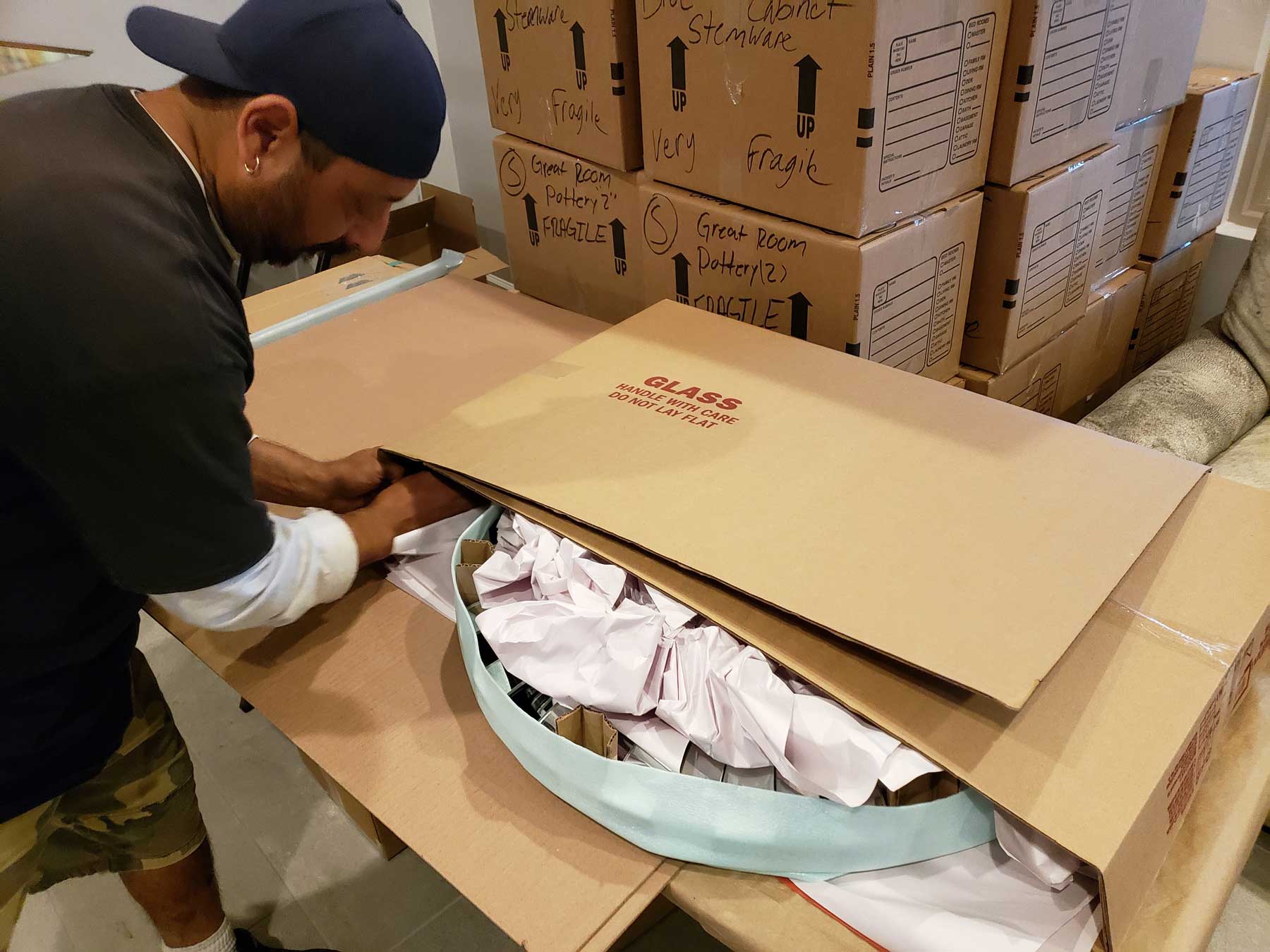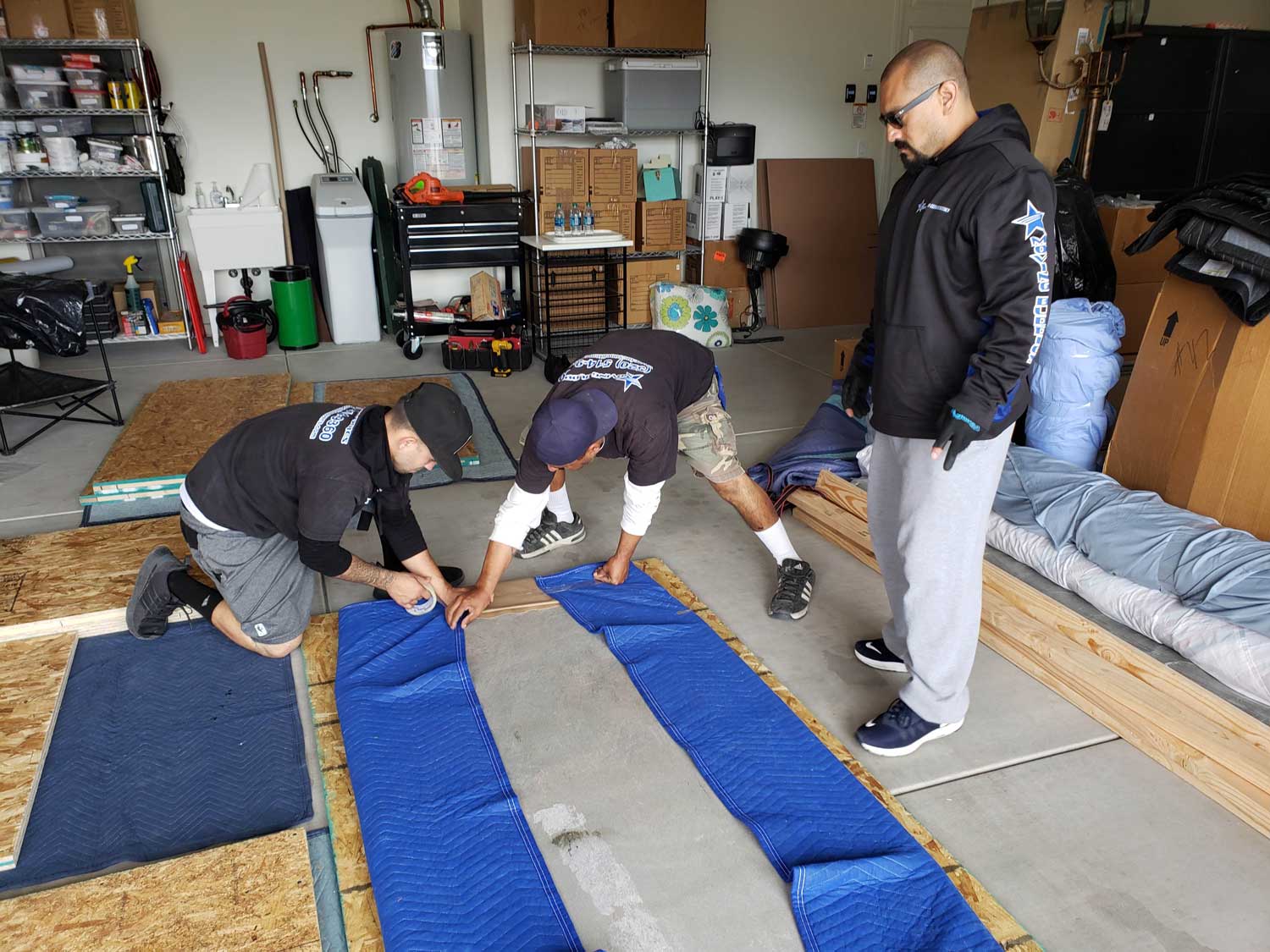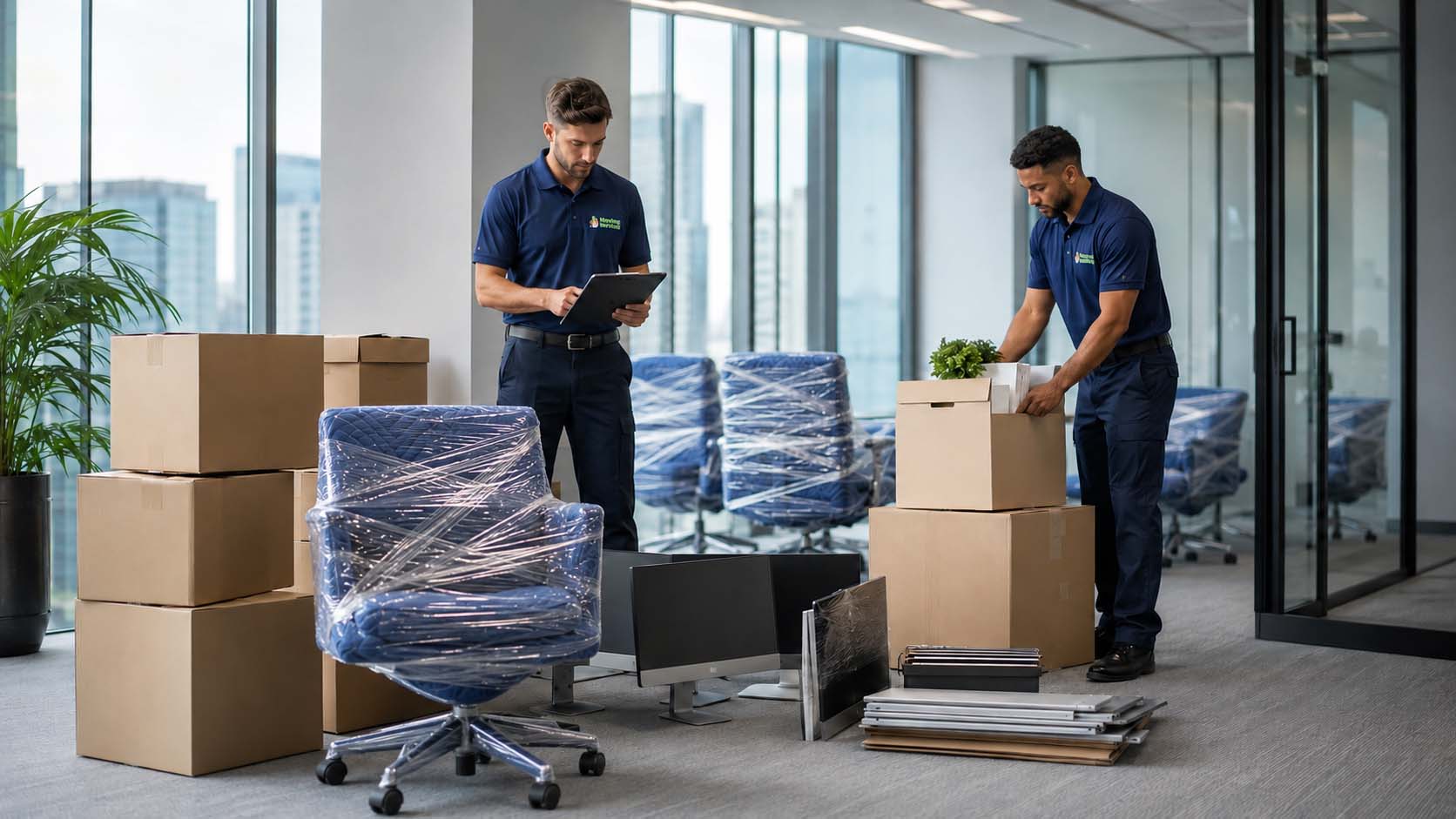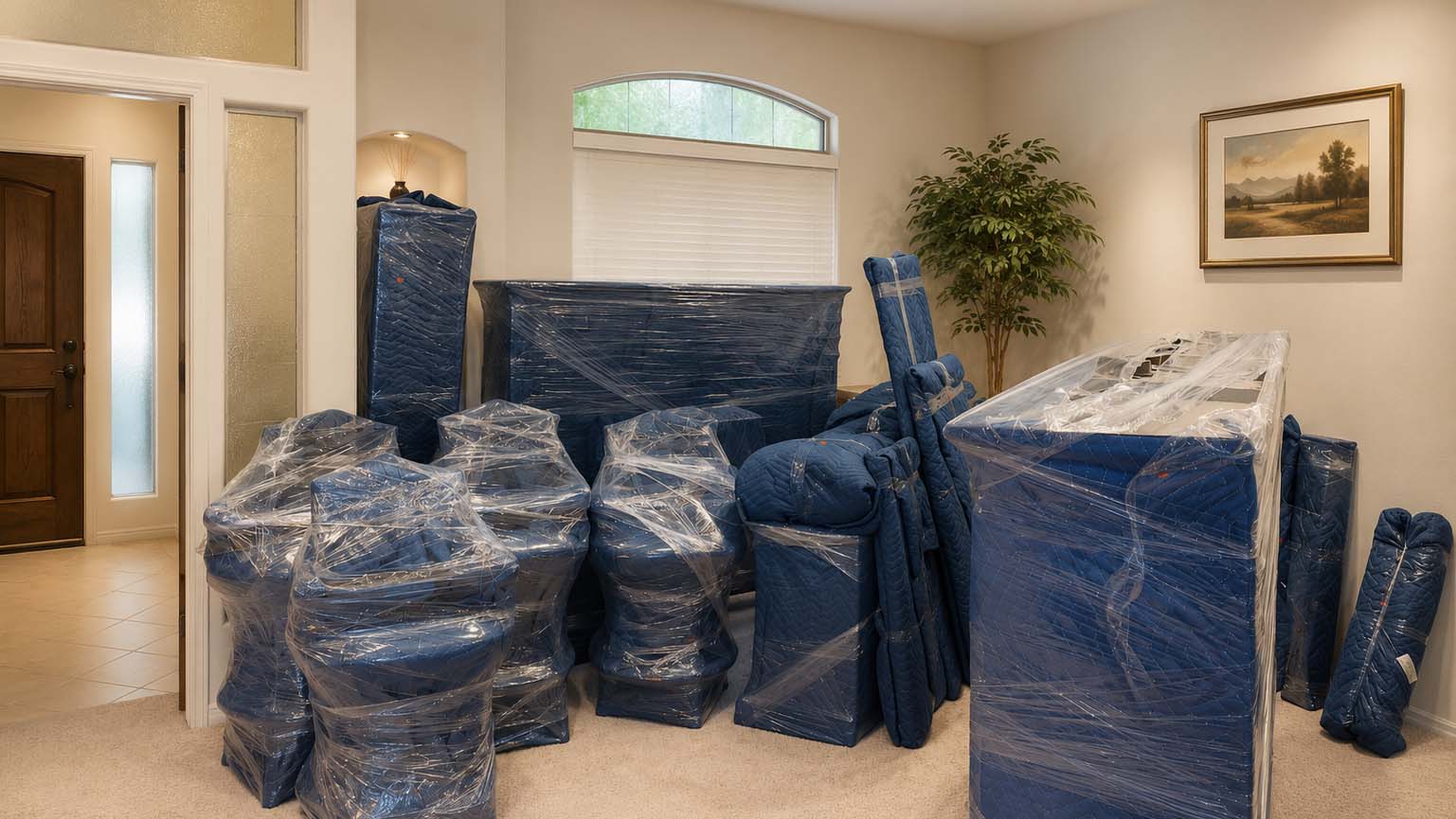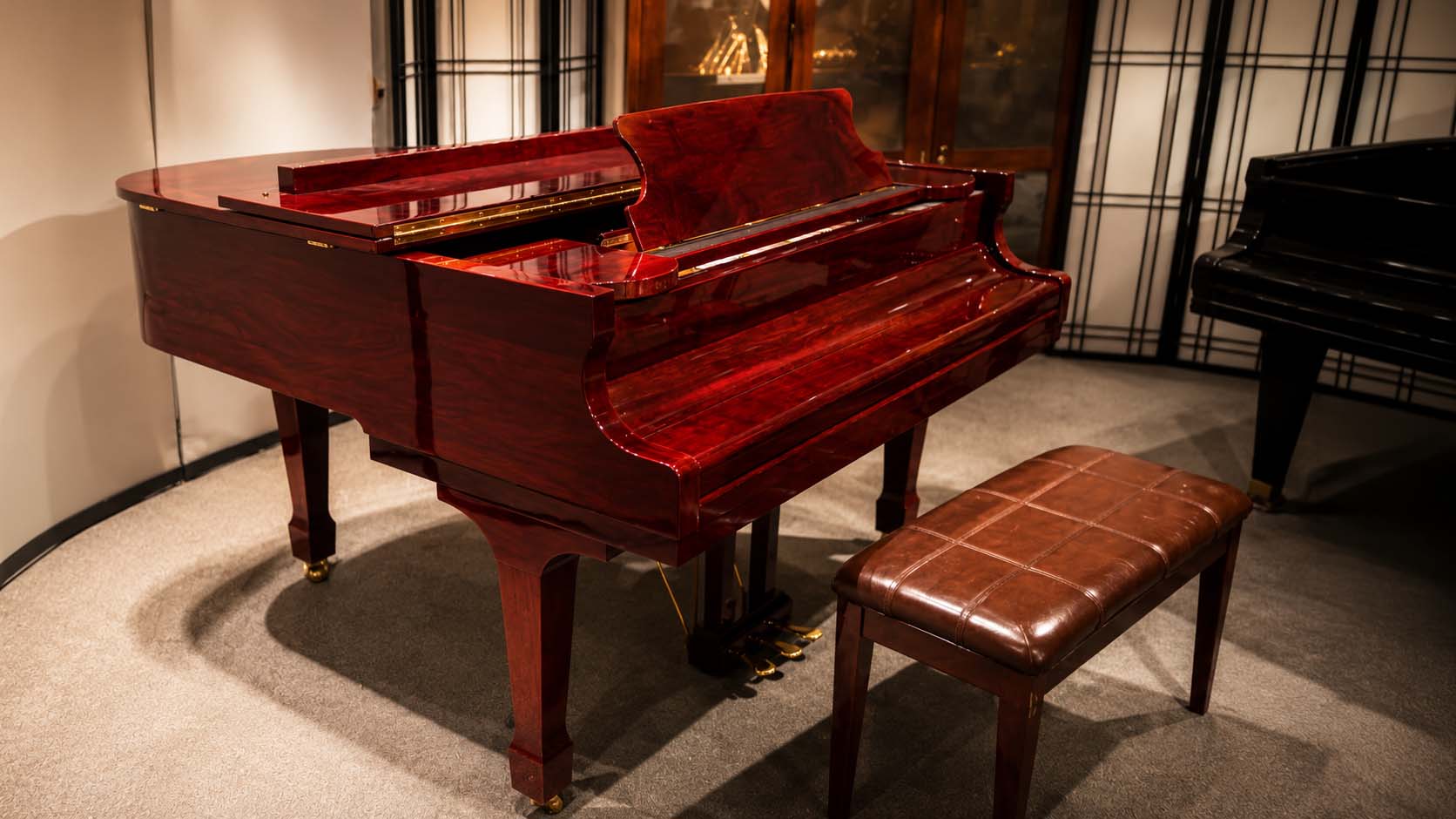
Specialty Item Moving Services in Tucson, AZ

Careful Planning for Heavy, Fragile, Valuable, and Unusual Items

Some belongings cannot be treated like ordinary furniture or boxes. They may be unusually heavy, oversized, fragile, valuable, difficult to grip, sensitive to vibration, or constructed from materials that require special protection.

Moving Buddies Tucson AZ provides specialty item moving services for residential and commercial customers throughout Tucson and surrounding Southern Arizona communities.

We help evaluate the item, access conditions, equipment requirements, protection needs, crew size, transportation method, and destination placement before the move begins.

Specialty-item service may involve one item, several difficult pieces, or specialty belongings included within a larger household or commercial relocation.

What Specialty Item Moving Services Include

The exact scope depends on the item, weight, dimensions, construction, condition, access, destination, and transportation requirements.

Specialty item moving services may include:

  • Pre-move item review
  • Photographic or video evaluation
  • Measuring furniture and access points
  • Furniture protection
  • Specialty wrapping
  • Partial disassembly
  • Custom crating coordination
  • Loading and unloading
  • Transportation
  • Stair and elevator planning
  • Additional crew members
  • Equipment selection
  • Placement at the destination
  • Selected reassembly
  • Moving items into or out of storage
  • Pickup and delivery
  • Internal relocation within the same property
  • Coordination with installers or specialty technicians

Some items may require a third-party rigging company, crane operator, technician, conservator, manufacturer, or other specialty provider.

When Specialty Item Moving Service Is Helpful

Specialty moving assistance may be appropriate when:

  • An item is extremely heavy
  • A piece is unusually large
  • The item contains glass, marble, stone, or fragile components
  • The item is valuable or irreplaceable
  • The furniture cannot be moved safely without disassembly
  • The access path is narrow or complex
  • Stairs or elevators are involved
  • The item must be transported upright
  • The piece requires custom protection
  • A manufacturer requires special preparation
  • The item has a high or unstable center of gravity
  • Standard moving equipment is insufficient
  • The piece is being placed into long-term storage
  • The customer is uncertain whether the item can fit through the property

Specialty moving should be discussed before scheduling rather than discovered on moving day.

Types of Specialty Items We May Move

Fine Art

Fine art may include:

  • Framed paintings
  • Canvas artwork
  • Sculptures
  • Limited-edition prints
  • Large photographs
  • Mixed-media pieces
  • Decorative panels
  • Gallery pieces
  • Oversized framed artwork

Fine art may require:

  • Surface protection
  • Corner protection
  • Picture cartons
  • Glassine or suitable archival materials
  • Foam
  • Moving blankets
  • Upright transportation
  • Custom crating
  • Climate considerations

High-value art should be identified before the estimate is finalized.

Antiques

Antique furniture and decorative objects may have:

  • Brittle joints
  • Aged glue
  • Delicate veneers
  • Loose hardware
  • Previous repairs
  • Fragile finishes
  • Carved details
  • Unusual construction

Antiques should be evaluated based on condition and construction rather than appearance alone.

Large Mirrors

Large mirrors require careful handling because they are vulnerable to:

  • Edge impact
  • Corner damage
  • Flexing
  • Vibration
  • Pressure against the face
  • Improper stacking
  • Flat transportation

Mirrors are generally safer when protected, supported, and transported upright.

Glass Furniture

Glass furniture may include:

  • Glass dining tables
  • Coffee tables
  • Console tables
  • Display cabinets
  • Curio cabinets
  • Glass desks
  • Shelving
  • Glass tabletops

Removable glass should usually be separated from the furniture base and wrapped independently.

Marble, Granite, and Stone Furniture

Stone furniture may include:

  • Marble tabletops
  • Granite conference tables
  • Stone consoles
  • Quartz surfaces
  • Travertine tables
  • Stone benches
  • Decorative slabs
  • Stone bases

Stone can be extremely heavy while also remaining vulnerable to cracking.

Special handling may require:

  • Upright transportation
  • Edge protection
  • Custom carriers
  • Crating
  • Additional crew members
  • Reinforced equipment
  • Professional installation

Safes

Safe moving may include:

  • Residential safes
  • Office safes
  • Fire-resistant cabinets
  • Depository safes
  • Security cabinets
  • Smaller gun safes
  • Commercial security containers

Safes vary greatly in weight and construction. The exact model, dimensions, estimated weight, stair conditions, and access path must be reviewed in advance.

Some safes may exceed the capabilities of standard moving equipment and require a specialist.

Exercise Equipment

Exercise equipment may include:

  • Treadmills
  • Ellipticals
  • Stationary bicycles
  • Rowing machines
  • Weight benches
  • Cable machines
  • Home gyms
  • Free-weight racks
  • Commercial fitness equipment

Preparation may require:

  • Disassembly
  • Removal of weights
  • Securing moving components
  • Protecting electronics
  • Labeling hardware
  • Manufacturer instructions
  • Qualified reinstallation

Oversized Furniture

Oversized furniture may include:

  • Sectionals
  • Sleeper sofas
  • Armoires
  • Entertainment centers
  • Large cabinets
  • Oversized headboards
  • Conference tables
  • Display cases
  • Commercial desks
  • Large outdoor furniture

Oversized does not always mean exceptionally heavy. The challenge may be doorway clearance, stairway turns, ceiling height, or inability to disassemble.

Motorized and Adjustable Furniture

This may include:

  • Power recliners
  • Lift chairs
  • Adjustable beds
  • Motorized desks
  • Massage chairs
  • Powered sectionals
  • Mobility-related furniture

Preparation may involve:

  • Disconnecting power
  • Securing cords
  • Removing batteries
  • Identifying control units
  • Removing detachable backs
  • Protecting motors
  • Keeping transformers and remotes together
  • Following manufacturer instructions

Commercial Equipment

Commercial specialty items may include:

  • Large printers
  • Copiers
  • Mailing machines
  • Vending machines
  • Commercial refrigerators
  • Workbenches
  • Display equipment
  • Medical-office furniture
  • Fireproof file cabinets
  • Specialty office equipment

Some machines require vendor preparation, shipping locks, fluid removal, recalibration, or specialty transportation.

Collectibles and Display Pieces

Specialty moving may also involve:

  • Display cases
  • Model collections
  • Sports memorabilia
  • Decorative collections
  • Framed collections
  • Large clocks
  • Ceramics
  • Sculptures
  • Fragile display furniture
  • Specialty décor

The customer should identify which items are replaceable and which require additional care.

Items That May Require a Separate Specialty Provider

Some items may fall outside standard moving capabilities.

Examples may include:

  • Grand pianos
  • Large upright pianos
  • Extremely heavy safes
  • Bank vaults
  • Pool tables requiring leveling
  • Industrial machinery
  • Laboratory equipment
  • Medical imaging equipment
  • Large aquariums
  • Built-in equipment
  • Crane-access furniture
  • Rooftop equipment
  • Items requiring balcony removal
  • Extremely large sculptures
  • Equipment requiring licensed disconnection
  • Items exceeding floor or elevator limits

Moving Buddies will evaluate the available information and explain when another provider may be more appropriate.

How Moving Buddies Approaches Specialty Item Moving

Gathering Information Before Scheduling

Specialty-item moves should begin with accurate information.

We may request:

  • Photographs
  • Video
  • Dimensions
  • Estimated weight
  • Manufacturer and model
  • Material type
  • Existing condition
  • Pickup and delivery addresses
  • Stair details
  • Elevator dimensions
  • Doorway measurements
  • Parking conditions
  • Destination placement
  • Whether disassembly is possible
  • Whether instructions are available

An incomplete description may result in the wrong equipment, crew size, or transportation plan.

Evaluating the Item

The crew may consider:

  • Weight
  • Center of gravity
  • Fragile components
  • Structural strength
  • Grip points
  • Surface material
  • Removable parts
  • Existing damage
  • Carrying orientation
  • Transportation position
  • Required support
  • Storage conditions

Two items with similar dimensions may require very different moving methods.

Evaluating the Access Path

The route should be reviewed from the item’s current position to the moving vehicle and from the vehicle to its final destination.

Important details include:

  • Doorway width
  • Hallway width
  • Ceiling height
  • Stairway width
  • Stair turns
  • Landings
  • Railings
  • Elevator dimensions
  • Elevator weight capacity
  • Exterior steps
  • Gates
  • Sloped driveways
  • Uneven ground
  • Loading height
  • Parking distance
  • Overhead obstructions

A specialty item may fit inside a room but still be impossible to move through the available path.

Planning the Carry

Before lifting begins, the crew may determine:

  • How many people are needed
  • Which side should remain upright
  • Whether components should be removed
  • Where hand placement is safe
  • Which equipment is appropriate
  • Whether the route must be cleared
  • Whether doors need to be removed
  • Whether property protection is required
  • Where the item can be safely paused
  • How it will be loaded and secured

The plan should be established before the item is placed under load.

Specialty Moving Equipment

Depending on the item, equipment may include:

  • Commercial hand trucks
  • Appliance dollies
  • Furniture dollies
  • Panel carts
  • Moving straps
  • Shoulder dollies
  • Lifting straps
  • Ramps
  • Tie-down straps
  • Load bars
  • Floor protection
  • Corner guards
  • Cribbing
  • Skids
  • Specialty carriers
  • Reinforced carts

Not every piece of equipment is appropriate for every item or property.

Furniture Protection

Specialty protection may include:

  • Moving blankets
  • Stretch wrap
  • Foam
  • Cardboard
  • Corner protectors
  • Surface barriers
  • Mattress-style covers
  • Picture cartons
  • Mirror cartons
  • Edge guards
  • Custom-built crates
  • Internal bracing
  • Tie-down straps

Protection should be selected according to the item’s material and finish.

Stretch wrap should not always be applied directly to wood, leather, painted surfaces, antiques, or delicate finishes.

Custom Crating

Custom crating may be appropriate for:

  • Fine art
  • Sculptures
  • Large mirrors
  • Glass pieces
  • Antiques
  • Marble components
  • Sensitive electronics
  • High-value collectibles
  • Unusually shaped items
  • Long-distance transportation
  • Long-term storage

A custom crate may include:

  • Plywood panels
  • Reinforced framing
  • Foam lining
  • Edge protection
  • Interior blocking
  • Bracing
  • Skid bases
  • Fastened access panels

Crating should be discussed early because design, materials, and construction require additional time.

Disassembly and Reassembly

Some specialty items can only be moved safely after partial disassembly.

This may include:

  • Removing table bases
  • Removing stone or glass tops
  • Removing doors
  • Removing shelves
  • Detaching mirrors
  • Separating sectional components
  • Removing exercise-equipment arms
  • Taking weight stacks apart
  • Removing furniture legs
  • Detaching motorized components

Hardware should be:

  • Placed in sealed bags
  • Labeled
  • Kept with the correct item
  • Photographed when useful
  • Stored with required tools or instructions

Complex reassembly may require a technician, installer, or manufacturer representative.

Moving Specialty Items on Stairs

Stairs can significantly increase the difficulty of a specialty move.

Important factors include:

  • Stair width
  • Stair pitch
  • Number of steps
  • Landing size
  • Ceiling height
  • Turn radius
  • Railing position
  • Wall projections
  • Item dimensions
  • Item weight
  • Floor surface
  • Exterior conditions

An item that can be moved on a straight stairway may not fit around a landing or turn.

Elevator Requirements

Before moving a specialty item by elevator, confirm:

  • Interior dimensions
  • Door opening dimensions
  • Weight capacity
  • Freight-elevator availability
  • Reservation requirements
  • Protective-material rules
  • Access hours
  • Loading-dock connection
  • Service-corridor dimensions

The combined weight of the item, crew, and equipment must remain within applicable limits.

Doorway and Hallway Measurements

For large items, measure:

  • Item height
  • Item width
  • Item depth
  • Door opening width
  • Door opening height
  • Hallway width
  • Ceiling height
  • Corner clearance
  • Stairway clearance
  • Elevator opening

Measurements should account for handles, trim, bases, projections, and fixed components.

Existing Condition Documentation

Specialty items should be inspected before moving.

The customer and crew may document:

  • Scratches
  • Cracks
  • Loose joints
  • Chips
  • Broken components
  • Worn finishes
  • Previous repairs
  • Missing hardware
  • Existing instability
  • Damaged glass
  • Operational condition

Photographs can help establish condition before the item is handled.

Fine Art Moving

Fine art moving requires careful planning and minimal unnecessary handling.

The process may include:

  • Reviewing dimensions and value
  • Inspecting the frame
  • Identifying glazing
  • Protecting the surface
  • Adding corner protection
  • Packing in a picture carton
  • Building a custom crate
  • Keeping the artwork upright
  • Separating it from heavy furniture
  • Protecting it from heat and moisture

Fine art should not be packed or handled like ordinary wall décor when its value, size, or fragility warrants additional protection.

Moving Antiques

Antiques may have hidden weaknesses caused by age, repairs, temperature exposure, or previous handling.

Before moving an antique:

  • Remove loose components
  • Avoid direct tape contact
  • Document condition
  • Identify weak joints
  • Protect veneers and carvings
  • Keep keys and hardware organized
  • Consider whether drawers should be removed
  • Avoid unnecessary pressure
  • Determine whether crating is appropriate

A professional conservator may be appropriate for extremely valuable or unstable pieces.

Moving Safes

Safe moving requires accurate weight and access information.

Before scheduling, provide:

  • Brand
  • Model
  • Height
  • Width
  • Depth
  • Empty weight
  • Whether contents will be removed
  • Stair details
  • Floor type
  • Doorway dimensions
  • Elevator information
  • Pickup and destination photographs

The safe should generally be emptied before moving unless specifically approved.

Customers are responsible for removing firearms, cash, documents, jewelry, ammunition, and other contents before service.

Moving Exercise Equipment

Exercise equipment should be prepared according to manufacturer instructions.

Preparation may include:

  • Disconnecting power
  • Removing safety keys
  • Folding approved components
  • Removing weight plates
  • Securing weight stacks
  • Detaching arms or consoles
  • Protecting screens
  • Organizing hardware
  • Photographing cable routing
  • Keeping manuals available

Some equipment may require professional disassembly and calibration.

Moving Aquariums

Aquariums are fragile and require substantial preparation.

Before moving:

  • Remove all animals
  • Drain all water
  • Remove gravel or substrate
  • Remove decorations
  • Remove filtration equipment
  • Dry the tank
  • Separate the stand
  • Protect glass edges
  • Arrange temporary animal care
  • Prepare for immediate setup at the destination

Large aquariums may require a specialty aquarium service.

Moving Buddies does not transport live animals in the moving truck.

Moving Large Appliances

Specialty appliances may include:

  • Commercial refrigerators
  • Oversized residential refrigerators
  • Wine coolers
  • Freezers
  • Commercial laundry equipment
  • Professional ranges
  • Large vending machines

Preparation may require:

  • Utility disconnection
  • Water-line removal
  • Gas disconnection
  • Drainage
  • Cleaning
  • Door securing
  • Shelf removal
  • Shipping bolts
  • Vendor service
  • Manufacturer instructions

Qualified professionals should handle plumbing, gas, and electrical connections.

Moving Large Clocks

Grandfather clocks and other large clocks may require:

  • Pendulum removal
  • Weight removal
  • Chain or cable securing
  • Glass protection
  • Door securing
  • Upright transportation
  • Manufacturer instructions
  • Professional setup and leveling

Clock mechanisms should be prepared by someone familiar with the specific design.

Moving Sculptures

Sculptures may be:

  • Fragile
  • Top-heavy
  • Irregularly shaped
  • Difficult to grip
  • Sensitive to vibration
  • Mounted to bases
  • Made from brittle materials

A sculpture may require:

  • Custom padding
  • Crating
  • Internal blocking
  • A skid base
  • Lift equipment
  • Upright transportation
  • Specialty installation

The base, mounting method, and material should be disclosed before scheduling.

Moving Glass and Stone Tabletops

Glass and stone tops should generally be separated from their bases when possible.

They may need to be:

  • Wrapped independently
  • Protected along the edges
  • Carried vertically
  • Transported upright
  • Secured in a specialty carrier
  • Kept away from heavy furniture
  • Crated
  • Reinstalled by a specialist

Flat transportation can create stress and increase the risk of breakage.

Moving Oversized Sectionals and Sofas

Large sofas may require:

  • Cushion removal
  • Leg removal
  • Back removal
  • Section separation
  • Reclining-mechanism review
  • Door removal
  • Vertical positioning
  • Alternate entry selection
  • Additional property protection

A sofa that entered a property before remodeling may no longer fit through the current access path.

Moving Items Into Storage

Specialty items placed into storage may require additional protection.

Consider:

  • Climate control
  • Heat exposure
  • Humidity
  • Dust
  • Long-term pressure
  • Upright storage
  • Crating
  • Pest exposure
  • Floor contact
  • Accessibility
  • Insurance

High heat in Southern Arizona can damage artwork, electronics, leather, finishes, adhesives, and musical instruments.

Tucson Heat and Specialty Items

Extreme heat may affect:

  • Fine art
  • Antiques
  • Electronics
  • Leather
  • Wood furniture
  • Musical instruments
  • Adhesives
  • Photographs
  • Wax
  • Plastics
  • Batteries
  • Sensitive finishes

Some items may need climate-controlled transportation or storage.

Customers should disclose heat-sensitive property before scheduling.

Valuation and High-Value Items

Customers should review the written protection terms that apply to specialty belongings.

Important questions include:

  • What valuation is included
  • Whether additional protection is available
  • Whether the item must be declared
  • Whether an appraisal is needed
  • What documentation is required
  • Which exclusions apply
  • Whether owner-packed items are treated differently
  • Whether third-party insurance is appropriate
  • How claims are reported

Valuation is not necessarily the same as traditional insurance.

Items Customers Should Transport Personally

Certain small but valuable items should generally remain with the customer.

These may include:

  • Jewelry
  • Cash
  • Medications
  • Legal documents
  • Identification
  • Keys
  • Small heirlooms
  • Irreplaceable photographs
  • Electronic backups
  • Collectibles of exceptional value
  • Firearms
  • Ammunition

These items should be removed from furniture, safes, cabinets, and containers before service.

Preparing a Specialty Item

Before the crew arrives:

  • Remove personal contents
  • Identify fragile parts
  • Disconnect power
  • Remove loose components
  • Locate instructions
  • Organize hardware
  • Photograph the item
  • Measure the item
  • Measure the access path
  • Disclose existing damage
  • Identify the item’s weight
  • Confirm whether it can be disassembled
  • Separate valuable accessories
  • Confirm destination placement
  • Clear the route

Do not begin complicated disassembly unless you understand the manufacturer’s procedure.

Preparing the Property

Before service:

  • Clear hallways
  • Remove rugs and trip hazards
  • Remove wall décor near the route
  • Reserve elevators
  • Arrange parking
  • Unlock gates
  • Secure pets
  • Keep children away from work areas
  • Remove nearby furniture
  • Protect sensitive flooring
  • Confirm doorway access
  • Identify alternate routes
  • Keep a decision-maker available

The destination area should be empty and ready before the item arrives.

Destination Placement

Specialty items should be placed carefully because repeated movement may be difficult or risky.

Before delivery, consider:

  • Floor strength
  • Room dimensions
  • Door clearance
  • Electrical outlets
  • Ventilation
  • Sun exposure
  • Moisture
  • Accessibility
  • Level flooring
  • Manufacturer clearance
  • Future maintenance
  • Installation requirements

The customer is responsible for confirming that the destination surface and structure can support the item.

Specialty Item Pickup and Delivery

Specialty moving may involve pickup from:

  • Private sellers
  • Estate sales
  • Galleries
  • Antique stores
  • Furniture stores
  • Offices
  • Storage facilities
  • Family members
  • Commercial properties

Before scheduling, confirm:

  • Pickup availability
  • Whether the item is disassembled
  • Whether the seller will provide access
  • Whether loading equipment is available
  • Exact dimensions
  • Weight
  • Parking
  • Stairs
  • Elevator access
  • Destination readiness

Photographs should be provided whenever possible.

What Specialty Item Moving Does Not Automatically Include

Unless specifically arranged, specialty moving may not include:

  • Crane service
  • Rigging
  • Hoisting
  • Balcony removal
  • Wall removal
  • Doorframe alteration
  • Structural modifications
  • Electrical work
  • Plumbing
  • Gas work
  • Permanent installation
  • Calibration
  • Art conservation
  • Furniture restoration
  • Safe opening
  • Aquarium setup
  • Pool-table leveling
  • Piano tuning
  • Equipment commissioning

These services may require qualified specialists.

Common Specialty Moving Mistakes

Failing to Provide the Weight

Weight affects crew size, equipment selection, floor protection, and whether the move is feasible.

Measuring Only the Item

The entire pathway must be measured, including doors, hallways, turns, stairs, and elevators.

Assuming the Item Can Remain Assembled

Many pieces require partial disassembly to move safely.

Failing to Disclose Fragile Materials

Glass, stone, marble, veneers, and antique finishes may require different protection.

Leaving the Destination Unprepared

The final area should be clear, measured, and ready before the item arrives.

Waiting Until Moving Day to Mention the Item

An undisclosed specialty item may require equipment or personnel that are not available.

Preparation Tips

To prepare for a specialty item move:

  • Provide clear photographs
  • Provide accurate dimensions
  • Confirm the estimated weight
  • Identify the manufacturer and model
  • Measure all access points
  • Disclose stairs and elevators
  • Identify glass, stone, marble, and fragile components
  • Remove personal contents
  • Organize hardware
  • Keep instructions available
  • Document existing condition
  • Clear the moving path
  • Confirm parking
  • Decide destination placement
  • Arrange any required technicians
  • Review protection and valuation options
  • Keep children and pets away from work areas
  • Inform Moving Buddies of any unusual concerns

Specialty-item preparation should be completed before the crew arrives.

Factors That Affect Specialty Moving Time

Service time may depend on:

  • Item weight
  • Item dimensions
  • Construction
  • Fragility
  • Existing condition
  • Amount of disassembly
  • Crating requirements
  • Number of crew members
  • Equipment requirements
  • Stairs
  • Elevators
  • Narrow access
  • Walking distance
  • Parking
  • Transportation distance
  • Destination placement
  • Storage conditions
  • Additional stops
  • Technician coordination
  • Customer readiness

A single specialty item may require more planning and labor than several standard furniture pieces.

Getting an Accurate Estimate

To receive a more accurate specialty item moving estimate, be prepared to provide:

  • Pickup address
  • Delivery address
  • Requested service date
  • Item type
  • Manufacturer and model
  • Photographs
  • Height, width, and depth
  • Estimated weight
  • Material and construction
  • Existing condition
  • Fragile or removable components
  • Disassembly requirements
  • Number of stairs
  • Stairway dimensions
  • Elevator dimensions and weight capacity
  • Doorway and hallway measurements
  • Walking distance
  • Parking conditions
  • Building restrictions
  • Storage requirements
  • Custom crating needs
  • Destination placement
  • Additional pickup or delivery locations
  • Technician or installer requirements

Moving Buddies Tucson AZ can use this information to determine whether the item is appropriate for our service, recommend the necessary crew and equipment, identify protection requirements, and develop a practical plan for the specialty move.

Moving Solutions Tailored for You

Ready To Begin Your Journey? Our
Experts Are Here To Help.
GET A QUOTE