Residential Moving Services in Tucson, AZ

Professional Moving Help for Homes, Apartments, and More

A residential move involves more than carrying boxes from one address to another. Customers must coordinate packing, furniture preparation, property access, transportation, unloading, and placement at the new residence—often within a limited amount of time.

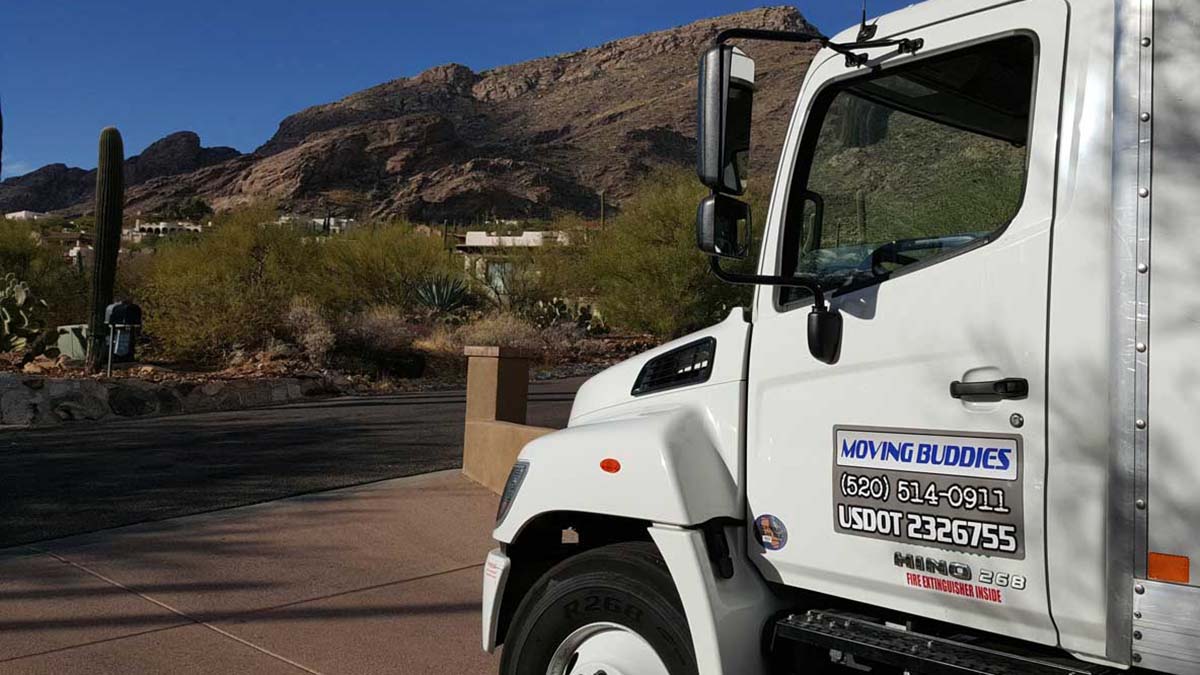
Moving Buddies Tucson AZ provides professional residential moving services throughout Tucson and nearby Southern Arizona communities. We help customers move between houses, apartments, condominiums, townhomes, retirement communities, storage facilities, and other residential locations.

Our crews can assist with complete household moves or selected portions of the process, including packing, furniture handling, loading, unloading, and in-home placement.

What Residential Moving Services Include

The exact scope depends on the residence, inventory, access conditions, destination, and level of assistance requested.

Residential moving services may include:

  • Moving household furniture
  • Carrying and transporting boxes
  • Full or partial packing
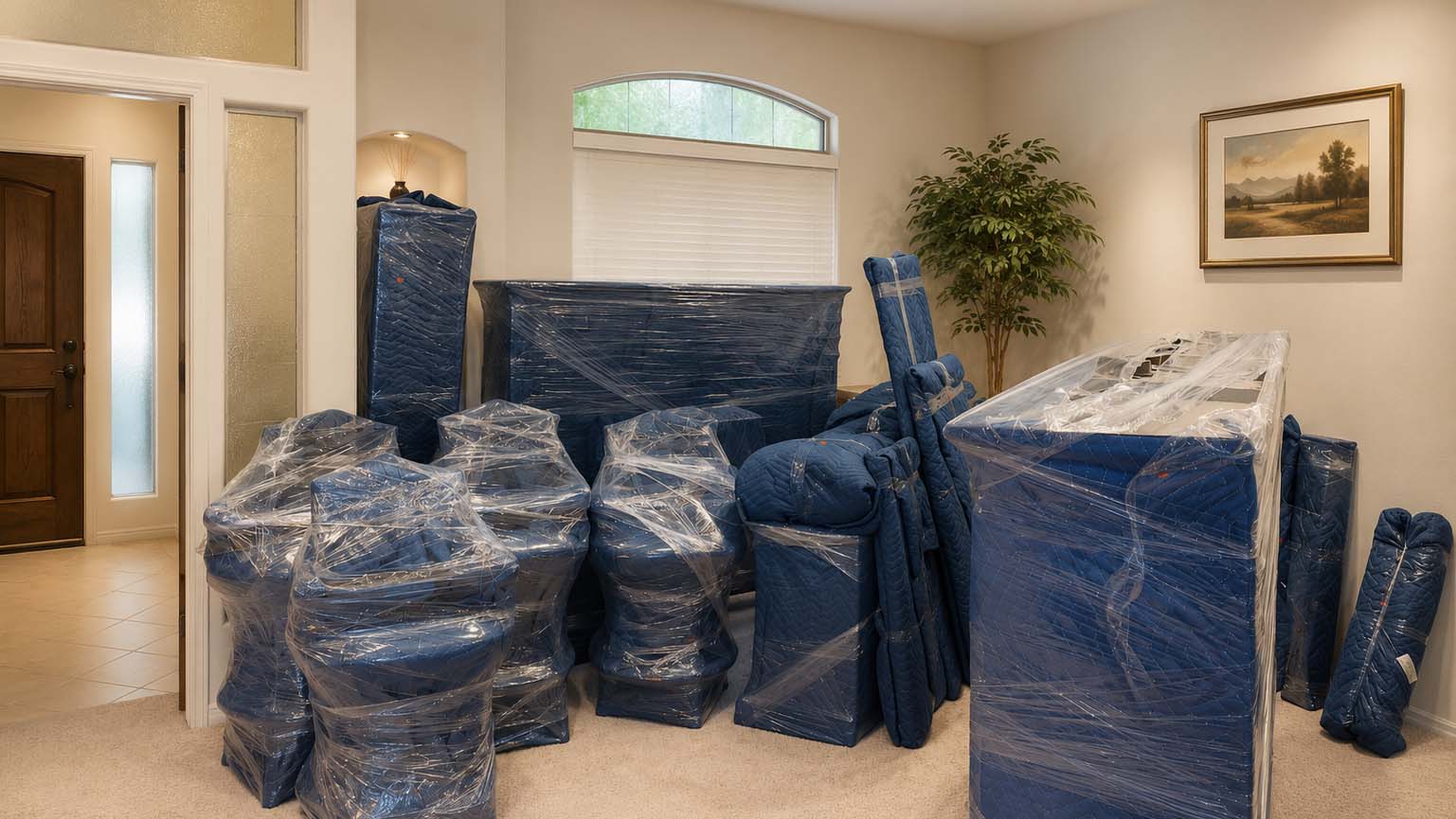
  • Furniture wrapping and protection
  • Loading and unloading
  • Furniture disassembly and reassembly
  • Mattress protection
  • Moving appliances when properly prepared
  • Transporting garage and patio contents
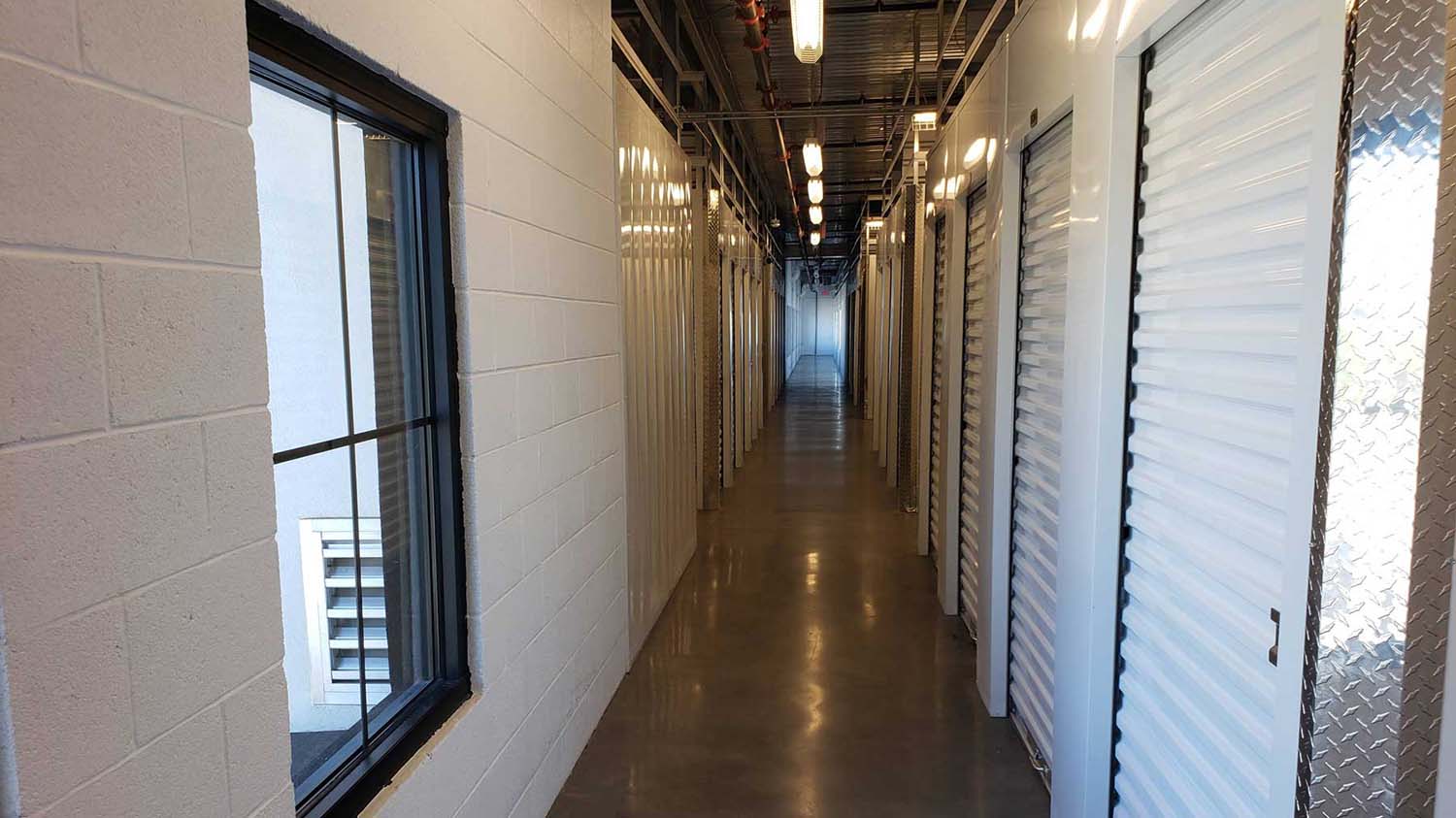
  • Moving belongings into or out of storage
  • Placing furniture by room
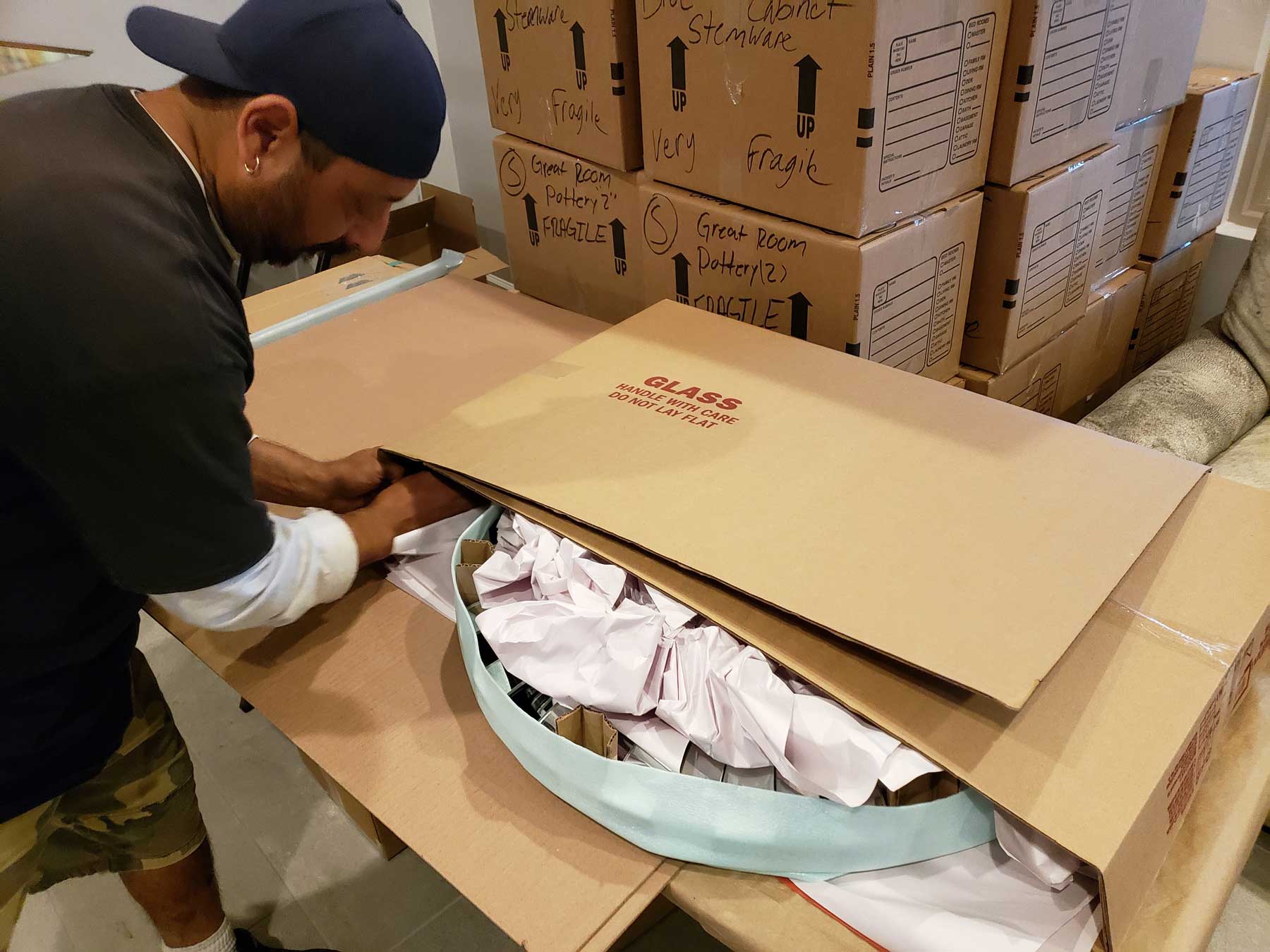
  • Moving artwork, mirrors, and fragile items
  • Moving from multiple pickup locations
  • Delivering belongings to multiple destinations
  • Unpacking selected items
  • Internal furniture rearrangement

Custom crating, specialty-item handling, packing supplies, and storage coordination can be discussed when needed.

When Residential Moving Service Is Helpful

Professional residential moving assistance can help when:

  • Moving to a new house
  • Relocating between apartments
  • Moving into or out of a condominium
  • Downsizing to a smaller residence
  • Moving into a retirement community
  • Relocating for work
  • Moving closer to family
  • Combining households
  • Separating household belongings
  • Moving into temporary housing
  • Placing belongings into storage
  • Removing belongings from storage
  • Moving after purchasing or selling a home
  • Completing a local or long-distance relocation
  • Moving heavy furniture that is difficult to handle safely

Residential service can be tailored to a complete household relocation or a smaller move involving only selected rooms or items.

Types of Residential Moves

House Moves

Household moves may include:

  • Living-room furniture
  • Bedroom furniture
  • Dining-room furniture
  • Kitchen contents
  • Garage items
  • Patio furniture
  • Appliances
  • Artwork
  • Storage-room contents
  • Home-office equipment
  • Boxes from closets and cabinets

Detached homes often involve garages, sheds, outdoor spaces, and storage areas that are easy to overlook during the estimate process.

Apartment Moves

Apartment moves may involve additional access considerations, including:

  • Stairs
  • Elevators
  • Long hallways
  • Parking restrictions
  • Loading-zone rules
  • Gate access
  • Security procedures
  • Limited moving hours
  • Narrow doors and stairwells
  • Property-management requirements

Customers should obtain all building rules before scheduling.

Condominium and Townhome Moves

Condominium and townhome moves may require:

  • Elevator reservations
  • Homeowners-association approval
  • Certificate-of-insurance documentation
  • Designated entrances
  • Restricted parking
  • Floor protection
  • Limited service hours
  • Special gate or access instructions

Multi-level townhomes may also involve narrow stairways and heavy furniture movement between floors.

Retirement-Community Moves

Retirement, independent-living, and assisted-living communities often have specific move-in procedures.

These may include:

  • Reserved move-in times
  • Freight-elevator access
  • Vendor check-in
  • Limited furniture space
  • Loading-area assignments
  • Floor-protection requirements
  • Parking restrictions
  • Security procedures

Furniture should be selected and measured carefully before moving into a smaller residence.

Storage-Related Moves

Residential moving services may also include:

  • Moving household belongings into storage
  • Removing items from storage
  • Transferring between storage units
  • Consolidating multiple units
  • Moving stored belongings into a new home
  • Separating items for storage and delivery

Storage stops should be disclosed during the estimate because they can affect loading order, travel time, and labor requirements.

How Moving Buddies Approaches Residential Moving

Reviewing the Inventory

A useful residential moving estimate begins with a complete inventory.

The review may include:

  • Major furniture
  • Appliances
  • Approximate box count
  • Garage contents
  • Patio and outdoor items
  • Storage areas
  • Artwork and mirrors
  • Heavy items
  • Fragile belongings
  • Furniture requiring disassembly
  • Items going to separate destinations

The more complete the inventory, the more accurately the move can be planned.

Reviewing Access Conditions

The crew must be able to move safely between the residence and the moving vehicle.

Important access details include:

  • Stairs
  • Elevators
  • Walking distance
  • Parking location
  • Driveway conditions
  • Narrow hallways
  • Gate access
  • Loading restrictions
  • Low ceilings
  • Exterior steps
  • Uneven ground
  • Doorway dimensions

These conditions can affect crew size, equipment needs, and service time.

Protecting Furniture

Furniture may be protected with:

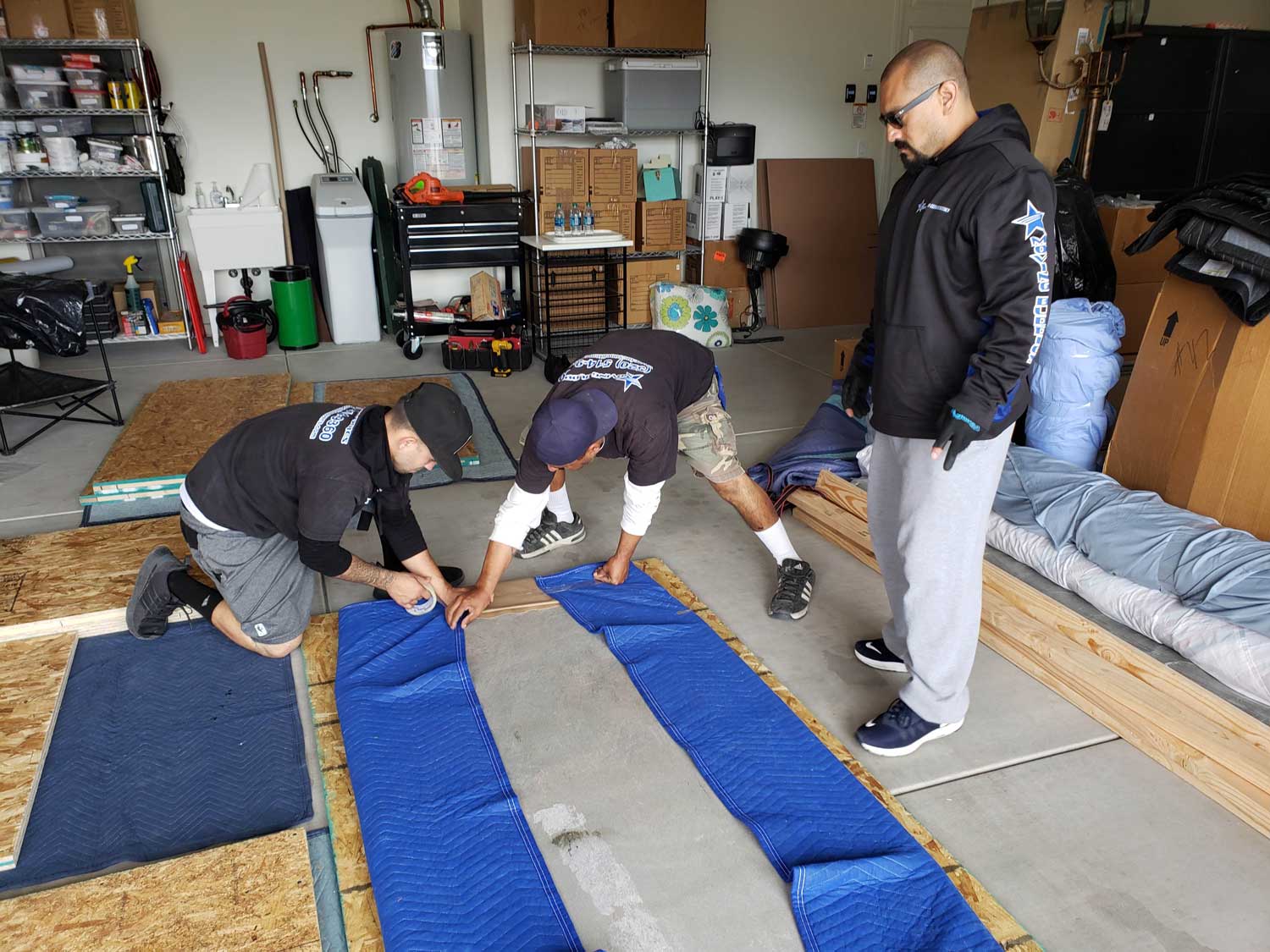
  • Moving blankets
  • Stretch wrap
  • Mattress covers
  • Corner protection
  • Cardboard
  • Packing paper
  • Foam
  • Furniture covers
  • Tie-down straps

The protection method depends on the item’s surface, construction, condition, and transportation distance.

Protecting the Property

Residential moving also involves protecting the home.

Depending on conditions, this may include:

  • Floor runners
  • Doorway protection
  • Corner guards
  • Stair protection
  • Wall protection
  • Entryway coverings
  • Careful equipment placement

Customers should identify delicate flooring, recently painted walls, narrow turns, and other areas requiring additional care.

Loading for Stability

The crew may organize the shipment according to:

  • Weight distribution
  • Furniture size
  • Box strength
  • Fragile-item placement
  • Unloading order
  • Available tie-down points
  • Empty-space reduction
  • Delivery priorities

The objective is to use the available space efficiently while reducing movement during transportation.

Placing Items at the Destination

At the destination, the customer or authorized representative should direct the crew.

Placement may include:

  • Boxes by room
  • Beds in designated bedrooms
  • Sofas and chairs in living spaces
  • Dining furniture
  • Appliances in approved areas
  • Office furniture
  • Storage items
  • Patio furniture

Placement decisions should be made before heavy furniture enters the room whenever possible.

Full-Service Residential Moving

A full-service move may include several stages of assistance.

Depending on the agreed scope, Moving Buddies may help with:

  • Packing household belongings
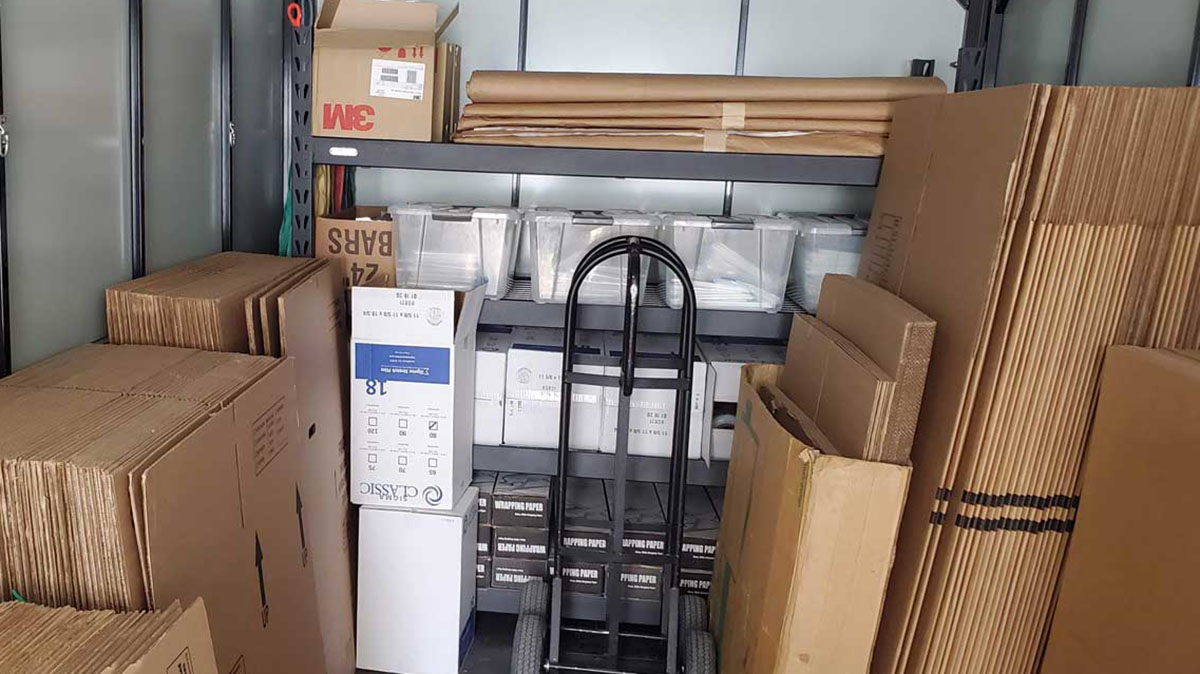
  • Providing packing materials
  • Preparing furniture
  • Disassembling selected pieces
  • Loading
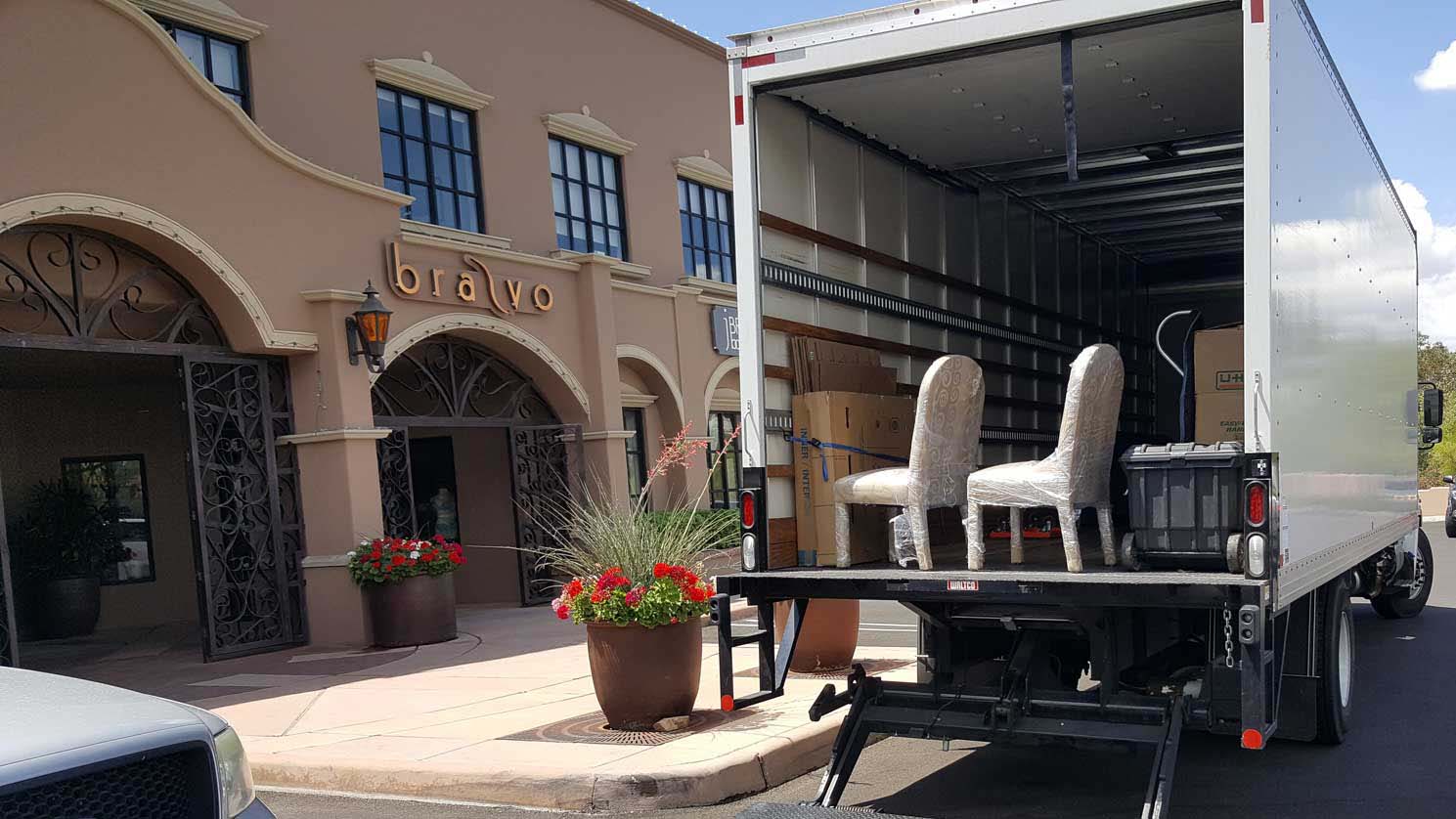
  • Transportation
  • Unloading
  • Furniture placement
  • Reassembly
  • Selected unpacking

“Full service” should not be assumed to include every possible task. The written estimate should identify exactly which services, materials, and responsibilities are included.

Labor-Only Residential Moving

Some customers provide their own transportation through:

  • Rental trucks
  • Portable storage containers
  • Freight trailers
  • Customer-owned trailers
  • Storage-company vehicles

Moving Buddies may provide labor for:

  • Packing
  • Furniture preparation
  • Loading
  • Unloading
  • In-home placement
  • Furniture rearrangement

The customer remains responsible for the transportation equipment, driving, fuel, insurance, rental terms, and related accessories unless otherwise agreed.

Packing for a Residential Move

Begin Early

Packing often takes longer than expected. Begin with items that are not used regularly.

These may include:

  • Seasonal decorations
  • Books
  • Artwork
  • Extra linens
  • Guest-room contents
  • Collectibles
  • Stored clothing
  • Decorative kitchen items
  • Garage storage

Everyday items can be packed closer to moving day.

Use the Correct Box Size

Common moving-box sizes include:

  • 1.5-cubic-foot small boxes for books, canned goods, tools, and dense items
  • 3.0-cubic-foot medium boxes for general household belongings
  • 4.5-cubic-foot large boxes for lightweight, bulky items

Large boxes should not be filled with books, dishes, or other heavy belongings.

Fill Boxes Completely

Boxes should be full enough to resist collapsing when stacked.

Use blank packing paper, linens, or another appropriate cushioning material to fill empty space and reduce movement.

Seal and Label Every Box

Each box should be:

  • Closed flat
  • Taped securely
  • Labeled by room
  • Marked when fragile
  • Identified if it contains priority items
  • Kept within a manageable weight

Open boxes, bags, and loosely packed containers are harder to move and stack safely.

Packing the Kitchen

The kitchen is often one of the most time-consuming rooms to pack.

Before packing:

  • Discard expired food
  • Separate items that will remain with the customer
  • Drain approved appliances
  • Remove liquids that should not be transported
  • Group similar items
  • Use strong boxes
  • Prepare ample blank packing paper

Dishes and glassware should be wrapped individually and packed securely with minimal open space.

Heavy cookware should be kept separate from fragile dishes when possible.

Packing Bedrooms

Before moving day:

  • Remove bedding
  • Pack clothing not needed immediately
  • Separate valuables
  • Disassemble approved bed frames
  • Place hardware in labeled bags
  • Protect mattresses
  • Empty furniture as directed
  • Pack lamps and décor
  • Keep an overnight bag separate

Adjustable beds and motorized furniture may require additional preparation.

Packing Bathrooms

Bathroom items should be sorted carefully.

Avoid loading:

  • Open liquids
  • Leaking containers
  • Aerosols restricted by the carrier
  • Medications
  • Items needed immediately after arrival

Place toiletries in sealed bags or leak-resistant containers and keep medications with the customer.

Packing Garages and Sheds

Garages often contain items that cannot be transported without preparation.

Common considerations include:

  • Fuel removal
  • Propane tanks
  • Chemicals
  • Pesticides
  • Paint
  • Power tools
  • Lawn equipment
  • Loose hardware
  • Sharp tools
  • Heavy equipment
  • Storage shelving

Hazardous or prohibited materials should be separated before moving day.

Furniture Preparation

Before the crew arrives:

  • Empty furniture as directed
  • Remove loose shelves
  • Secure removable components
  • Disconnect electronics
  • Remove bedding
  • Remove fragile decorative pieces
  • Identify existing damage
  • Photograph valuable furniture
  • Place hardware in labeled bags
  • Clear the moving path

Furniture should not be disassembled unnecessarily, especially when the customer is unsure how it will be reassembled.

Appliance Preparation

Appliances may require advance preparation.

This may include:

  • Disconnecting power
  • Disconnecting water lines
  • Disconnecting gas through a qualified professional
  • Emptying and cleaning interiors
  • Defrosting freezers
  • Draining hoses
  • Securing doors
  • Removing loose parts
  • Installing shipping bolts when required
  • Confirming manufacturer instructions

Moving crews generally do not perform plumbing, gas, or electrical work unless specifically qualified and arranged.

Heavy and Specialty Items

Some residential items require additional planning.

Examples include:

  • Pianos
  • Safes
  • Pool tables
  • Large aquariums
  • Fine art
  • Antiques
  • Marble tables
  • Glass tabletops
  • Exercise equipment
  • Oversized furniture
  • Commercial appliances
  • Motorized furniture
  • Large sculptures
  • Workshop equipment

These items should be disclosed during the estimate. Photographs, measurements, manufacturer information, or estimated weight may be requested.

Items Customers Should Move Personally

Certain belongings should generally remain with the customer.

These may include:

  • Medications
  • Identification
  • Legal documents
  • Financial records
  • Jewelry
  • Cash
  • Keys
  • Passports
  • Electronic backups
  • Small heirlooms
  • Irreplaceable photographs
  • Important moving documents
  • Items needed immediately after arrival

Prepare an essentials bag before moving day.

Prohibited and Restricted Items

Moving vehicles commonly restrict hazardous, flammable, explosive, perishable, or unstable items.

Examples may include:

  • Gasoline
  • Propane
  • Ammunition
  • Fireworks
  • Certain paints
  • Pesticides
  • Chemicals
  • Compressed gases
  • Corrosive materials
  • Open liquids
  • Perishable food
  • Some plants
  • Items prohibited by law or company policy

Customers should request and review the applicable prohibited-items list before packing.

Moving With Children

Moving day can be busy and potentially hazardous for children.

Recommended preparation includes:

  • Arrange supervision away from work areas
  • Keep essential items accessible
  • Pack favorite toys separately
  • Explain the moving-day plan
  • Keep children away from trucks, ramps, and equipment
  • Prepare snacks, water, and clothing
  • Confirm transportation to the new residence
  • Set up sleeping areas early when possible

Children should not remain in active carrying paths.

Moving With Pets

Pets should be secured in a closed room, crate, boarding facility, or another safe location.

Before moving:

  • Update identification tags
  • Prepare food and medication
  • Keep veterinary records accessible
  • Confirm travel arrangements
  • Keep animals away from open doors
  • Prepare a secure space at the destination
  • Check community or lease restrictions

Pets should generally travel with the customer rather than in the moving vehicle.

Apartment and Building Requirements

Customers moving into or out of managed properties should confirm:

  • Moving hours
  • Elevator reservations
  • Parking rules
  • Loading-zone access
  • Gate procedures
  • Vendor check-in
  • Insurance documentation
  • Floor-protection requirements
  • Service-entrance use
  • Noise restrictions
  • Move-in deposits
  • Security access

These requirements should be provided before scheduling.

Moving During Tucson Heat

Residential moves in Tucson often take place in extreme heat.

Preparation should include:

  • Starting early when possible
  • Keeping water available
  • Maintaining clear, shaded pathways when practical
  • Keeping children and pets indoors
  • Separating heat-sensitive items
  • Avoiding food or medications in the moving truck
  • Protecting electronics
  • Monitoring candles, wax, adhesives, and artwork
  • Keeping the residence accessible to the crew

Temperature-sensitive belongings may need to travel with the customer.

Moving During Monsoon Season

Summer storms can create:

  • Wet walkways
  • Mud
  • Flash-flood conditions
  • High winds
  • Lightning
  • Traffic delays
  • Water exposure
  • Limited parking access

Customers should keep boxes dry and ensure outdoor pathways remain safe. Weather conditions may require schedule adjustments.

Moving Into a New Home

Before delivery:

  • Confirm keys and access
  • Activate utilities
  • Reserve elevators
  • Arrange parking
  • Clean the property
  • Measure doorways
  • Create a furniture plan
  • Label rooms
  • Identify fragile flooring
  • Confirm appliance placement
  • Remove obstacles
  • Prepare children’s and pets’ areas
  • Keep payment and documents accessible

A prepared destination allows unloading to proceed more efficiently.

Furniture Placement

Decide where major furniture will go before unloading.

Consider:

  • Room dimensions
  • Door clearance
  • Electrical outlets
  • Windows
  • Air vents
  • Walking paths
  • Recliner clearance
  • Drawer access
  • Accessibility needs
  • Television placement
  • Future furniture additions

Repeated rearrangement can increase labor time.

Moving Into Storage

When moving household goods into storage:

  • Use strong boxes
  • Label all sides
  • Disassemble furniture when appropriate
  • Protect upholstery
  • Avoid direct contact with bare concrete
  • Keep frequently needed items near the entrance
  • Create aisles when possible
  • Keep an inventory
  • Use climate control for sensitive belongings
  • Avoid storing prohibited materials
  • Protect mattresses appropriately
  • Keep hardware with corresponding furniture

Storage placement should account for how long the items will remain and whether access will be needed.

Moving From Multiple Locations

A residential move may involve:

  • Main residence
  • Storage unit
  • Family member’s home
  • Secondary residence
  • Seller pickup
  • Donation stop
  • Temporary housing

Multiple locations should be included in the estimate because they affect route planning, loading order, travel time, and service duration.

Valuation and Protection Options

Customers should review the written protection terms that apply to their move.

Important questions include:

  • What valuation is included
  • Whether additional protection is available
  • How high-value items should be declared
  • What documentation is required
  • Which exclusions apply
  • How owner-packed boxes are treated
  • How claims are reported
  • Whether third-party insurance is appropriate

Valuation coverage is not always the same as traditional insurance.

Common Residential Moving Mistakes

Waiting Too Long to Pack

Last-minute packing can increase labor time and result in poorly protected belongings.

Underestimating the Inventory

Garages, closets, patios, sheds, and storage spaces are frequently overlooked.

Using Weak Boxes

Damaged or inconsistent cartons are difficult to stack and may fail during handling.

Overloading Large Boxes

Large boxes filled with books or dishes can become unsafe to carry.

Failing to Reserve Access

Missing elevator or parking reservations can cause major delays.

Leaving Placement Decisions Until Unloading

Making every furniture decision at the doorway slows the process.

Packing Prohibited Items

Hazardous materials may have to be removed before loading can continue.

Preparation Tips

Before moving day:

  • Confirm the moving date and addresses
  • Complete packing unless packing service is scheduled
  • Label boxes by room
  • Separate valuables and medications
  • Remove prohibited items
  • Clear hallways and exits
  • Reserve parking
  • Reserve elevators
  • Confirm gate access
  • Empty furniture as directed
  • Prepare appliances
  • Organize hardware
  • Identify fragile and specialty items
  • Keep children and pets away from work areas
  • Prepare an essentials bag
  • Decide furniture placement
  • Confirm who will supervise the move
  • Keep moving documents accessible

The customer or authorized representative should remain available to answer questions throughout the move.

Factors That Affect Residential Moving Time

Residential moving time may depend on:

  • Total inventory
  • Number of boxes
  • Residence size
  • Amount of furniture
  • Packing readiness
  • Furniture disassembly
  • Stairs
  • Elevators
  • Walking distance
  • Parking access
  • Building restrictions
  • Heavy or specialty items
  • Number of pickup or delivery locations
  • Storage stops
  • Destination placement
  • Weather
  • Crew size
  • Customer readiness
  • Travel distance

Two homes with the same number of bedrooms may require very different amounts of time.

Getting an Accurate Estimate

To receive a more accurate residential moving estimate, be prepared to provide:

  • Current address
  • Destination address
  • Requested moving date
  • Type and size of each residence
  • Number of rooms
  • Approximate box count
  • Major furniture and appliances
  • Garage, patio, shed, and storage contents
  • Packing or unpacking needs
  • Heavy and specialty items
  • Number of stairs
  • Elevator availability
  • Walking distance
  • Parking conditions
  • Building requirements
  • Storage stops
  • Additional pickup or delivery locations
  • Furniture disassembly requirements
  • Desired completion timeline
  • Photographs, videos, or inventory information when requested

Moving Buddies Tucson AZ can use this information to recommend an appropriate crew, estimate the likely labor requirements, and identify any preparation needed before moving day.

Moving Solutions Tailored for You

Ready To Begin Your Journey? Our
Experts Are Here To Help.
GET A QUOTE