Packing and Unpacking Services in Tucson, AZ

Professional Help Before and After Moving Day

Packing is one of the most time-consuming parts of any move. Customers often underestimate how long it takes to sort belongings, wrap fragile items, fill boxes correctly, label everything, and prepare furniture for transportation.

Unpacking can be just as demanding. After delivery, boxes must be opened, contents organized, packing materials removed, furniture positioned, and essential rooms made functional again.

Moving Buddies Tucson AZ provides professional packing and unpacking services for homes, apartments, offices, retirement communities, storage moves, local relocations, and long-distance moves throughout Tucson and surrounding Southern Arizona communities.

Customers can request full packing, partial packing, fragile-item packing, selected-room packing, unpacking, or a combination of services based on their timeline and needs.

What Packing and Unpacking Services Include

The exact scope depends on the property, inventory, materials, schedule, and level of assistance requested.

Services may include:

  • Full-home packing
  • Partial packing
  • Kitchen packing
  • Bedroom packing
  • Closet packing
  • Home-office packing
  • Garage and storage-area packing
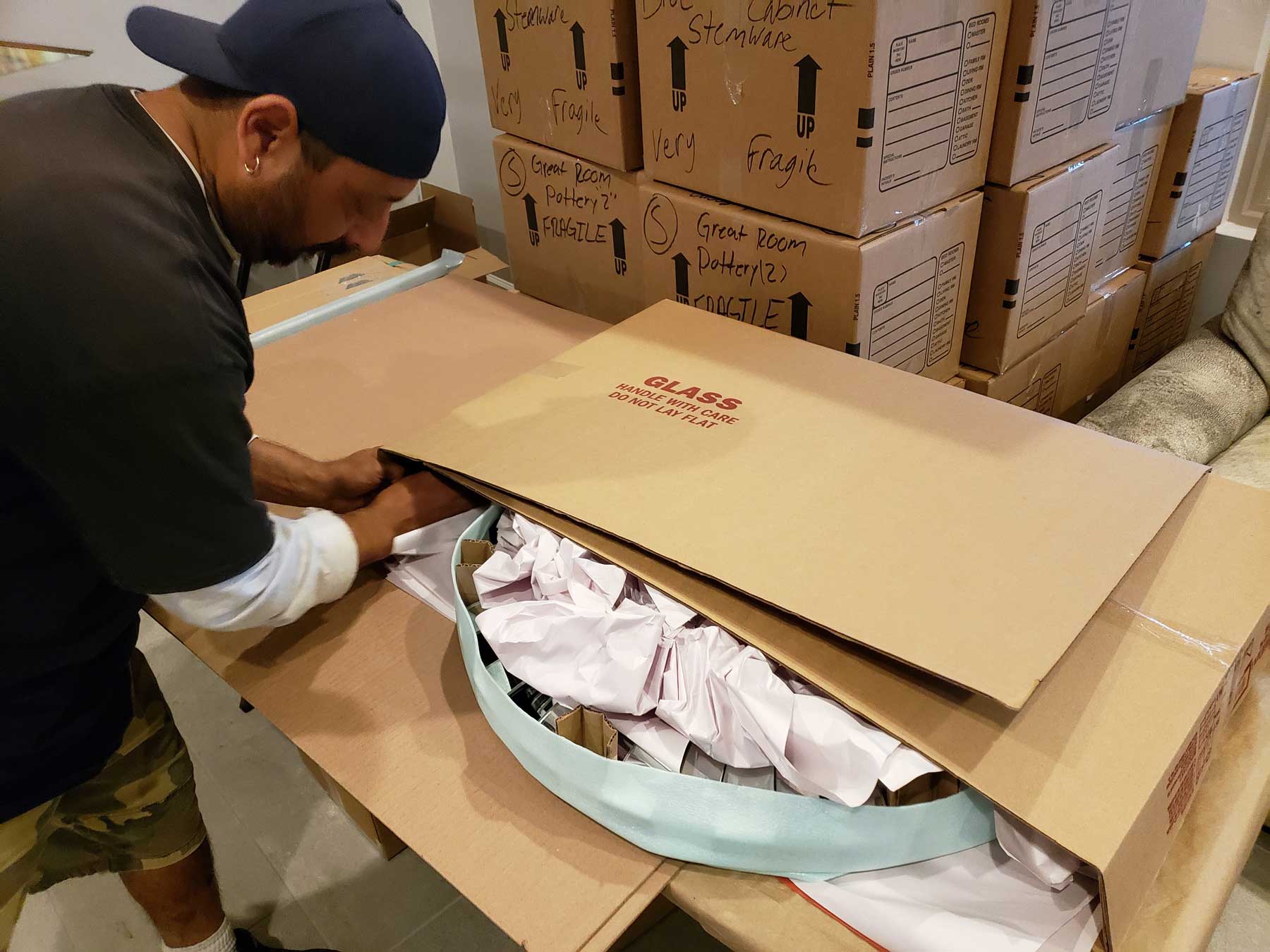
  • Fragile-item packing
  • Artwork and mirror preparation
  • Packing office contents
  • Packing books, files, and records
  • Preparing boxes for storage
  • Labeling boxes by room or destination
  • Unpacking boxes
  • Removing packing paper from unpacked items
  • Placing everyday belongings in designated areas
  • Setting up selected rooms
  • Breaking down empty moving boxes
  • Organizing packing debris for removal
  • Packing items for multiple destinations
  • Repacking poorly prepared boxes when needed

Furniture protection, custom crating, moving supplies, transportation, loading, and unloading may be added separately.

When Packing and Unpacking Service Is Helpful

Professional packing assistance may be especially useful when:

  • The move date is approaching quickly
  • The customer has limited time
  • A large kitchen must be packed
  • Fragile belongings require careful preparation
  • The customer is moving long distance
  • A senior is downsizing
  • Family members live out of town
  • An office must relocate with minimal downtime
  • Belongings are going into storage
  • The customer is physically unable to pack
  • A home must be cleared before closing
  • The customer wants a more organized move
  • Previous packing attempts are incomplete
  • Multiple destinations must be coordinated

Unpacking service can be helpful when:

  • The customer needs essential rooms set up quickly
  • The move has created a large number of boxes
  • The customer is returning to work immediately
  • The destination has limited space
  • A senior needs help settling into a new residence
  • Family members cannot remain after delivery
  • The customer wants packing materials removed and organized
  • Furniture and household items must be placed according to a plan

Full Packing Service

Full packing service is designed for customers who want professional help preparing most or all moveable household or business contents.

Depending on the agreed scope, full packing may include:

  • Packing boxes room by room
  • Wrapping fragile items
  • Packing dishes and glassware
  • Packing books and décor
  • Packing clothing and linens
  • Packing office supplies
  • Packing selected electronics
  • Labeling boxes
  • Separating priority items
  • Preparing artwork and mirrors
  • Packing garage or storage contents
  • Organizing hardware and loose components

The customer should identify belongings that should not be packed before service begins.

Partial Packing Service

Partial packing allows customers to handle some areas themselves while assigning more difficult rooms or items to the moving crew.

Common partial-packing requests include:

  • Kitchen only
  • Fragile items only
  • Artwork and mirrors
  • Closets
  • Garage contents
  • Home office
  • China and collectibles
  • Last-minute unfinished packing
  • Heavy books and files
  • Selected rooms
  • Storage preparation

Partial packing can be a practical way to reduce labor while still receiving professional help with the most demanding parts of the move.

Fragile-Item Packing

Fragile belongings require more than simply placing them in a box.

Items may need to be:

  • Wrapped individually
  • Cushioned on all sides
  • Separated from heavier objects
  • Packed into stronger cartons
  • Positioned upright
  • Protected with corner guards
  • Packed with additional paper
  • Double boxed
  • Placed in specialty cartons
  • Custom crated

Fragile-item packing may be appropriate for:

  • Dishes
  • Glassware
  • China
  • Crystal
  • Artwork
  • Mirrors
  • Lamps
  • Collectibles
  • Decorative objects
  • Electronics
  • Antiques
  • Sculptures
  • Glass shelves
  • Small stone or marble pieces

Extremely valuable or delicate items should be disclosed before scheduling.

How Moving Buddies Approaches Packing

Reviewing the Scope

Before packing begins, it is important to determine:

  • Which rooms are included
  • Which belongings are moving
  • Which items are staying
  • Which items are going to storage
  • Which items are going to family members
  • Which items are being donated
  • Which items require special handling
  • Whether materials are being provided
  • Whether packing must be completed in one day
  • Whether the move will occur immediately afterward

A clear scope helps prevent accidental packing and unnecessary labor.

Packing Room by Room

Packing by room helps keep the move organized.

Each box may be labeled with:

  • Origin room
  • Destination room
  • General contents
  • Fragile status
  • Priority status
  • Delivery location
  • Customer name or workstation number

Room-based packing also makes unpacking more efficient.

Selecting the Correct Box Size

Different belongings require different box sizes.

Common moving-box sizes include:

  • 1.5-cubic-foot small boxes for books, tools, canned goods, records, and dense items
  • 3.0-cubic-foot medium boxes for general household belongings
  • 4.5-cubic-foot large boxes for lightweight, bulky items such as bedding, pillows, towels, and clothing

Heavy belongings should generally be placed in smaller boxes.

Filling Boxes Completely

A properly packed box should be full enough to resist collapsing when stacked.

Open space can be filled with:

  • Blank packing paper
  • Folded linens
  • Towels
  • Soft household goods
  • Suitable cushioning materials

The contents should not shift freely when the box is moved.

Sealing Boxes Securely

Boxes should be:

  • Closed flat
  • Taped across all necessary seams
  • Reinforced when carrying dense contents
  • Free from bulging
  • Structurally sound
  • Clearly labeled

Open-top cartons are difficult to stack and protect during transportation.

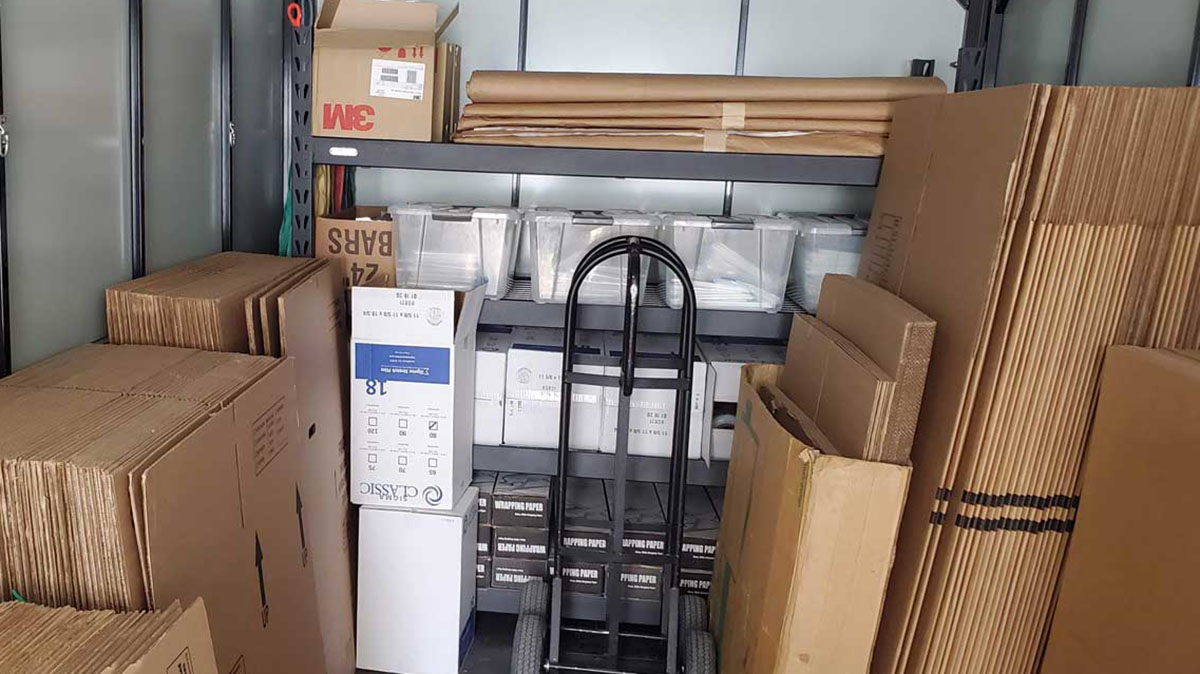
Packing Materials

Professional packing may require a combination of:

  • Small moving boxes
  • Medium moving boxes
  • Large moving boxes
  • Dish-pack cartons
  • Wardrobe boxes
  • Picture or mirror boxes
  • File boxes
  • Television boxes
  • Blank newsprint packing paper
  • Packing tape
  • Stretch wrap
  • Mattress bags
  • Corner protectors
  • Foam sheets
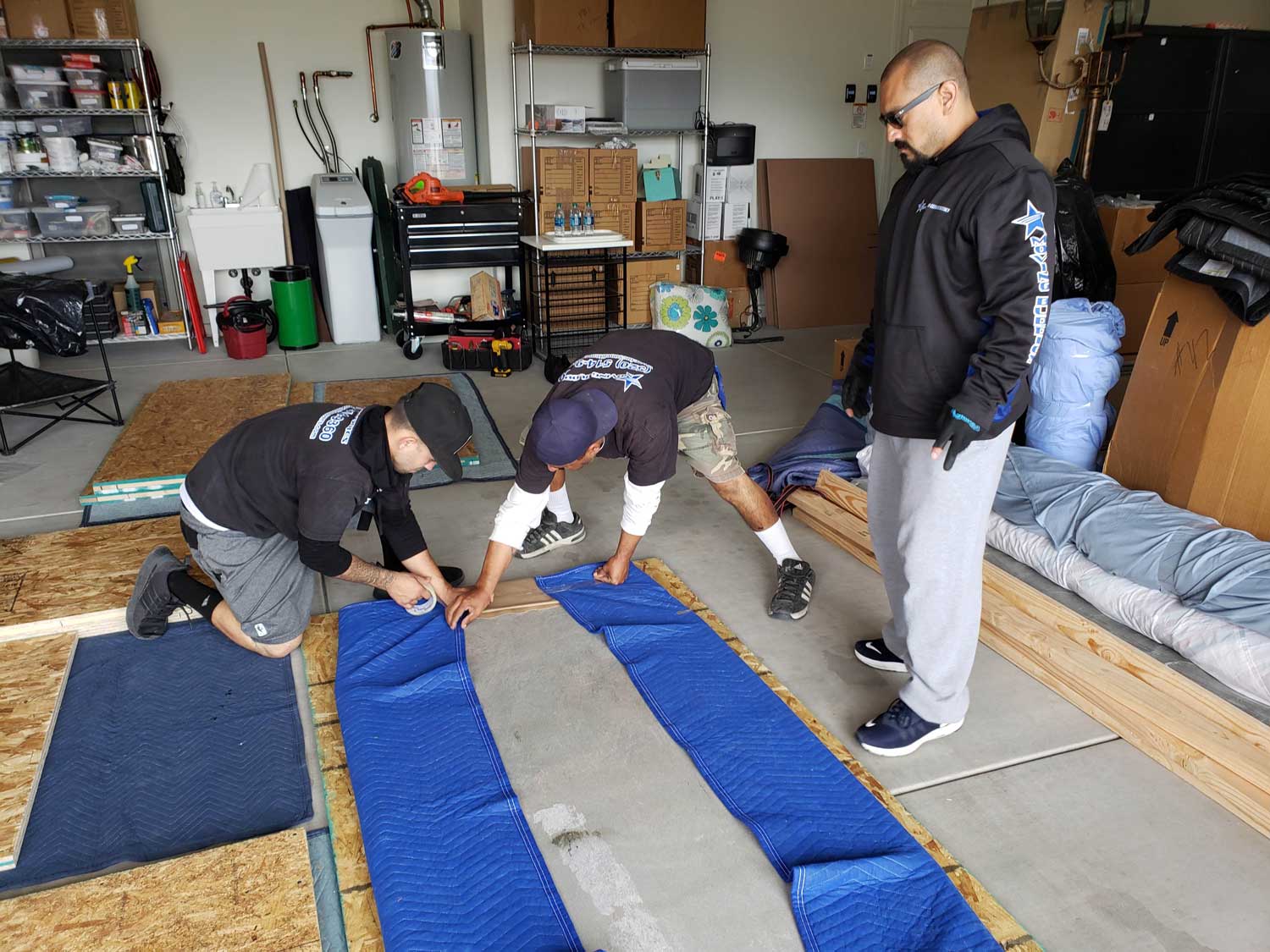
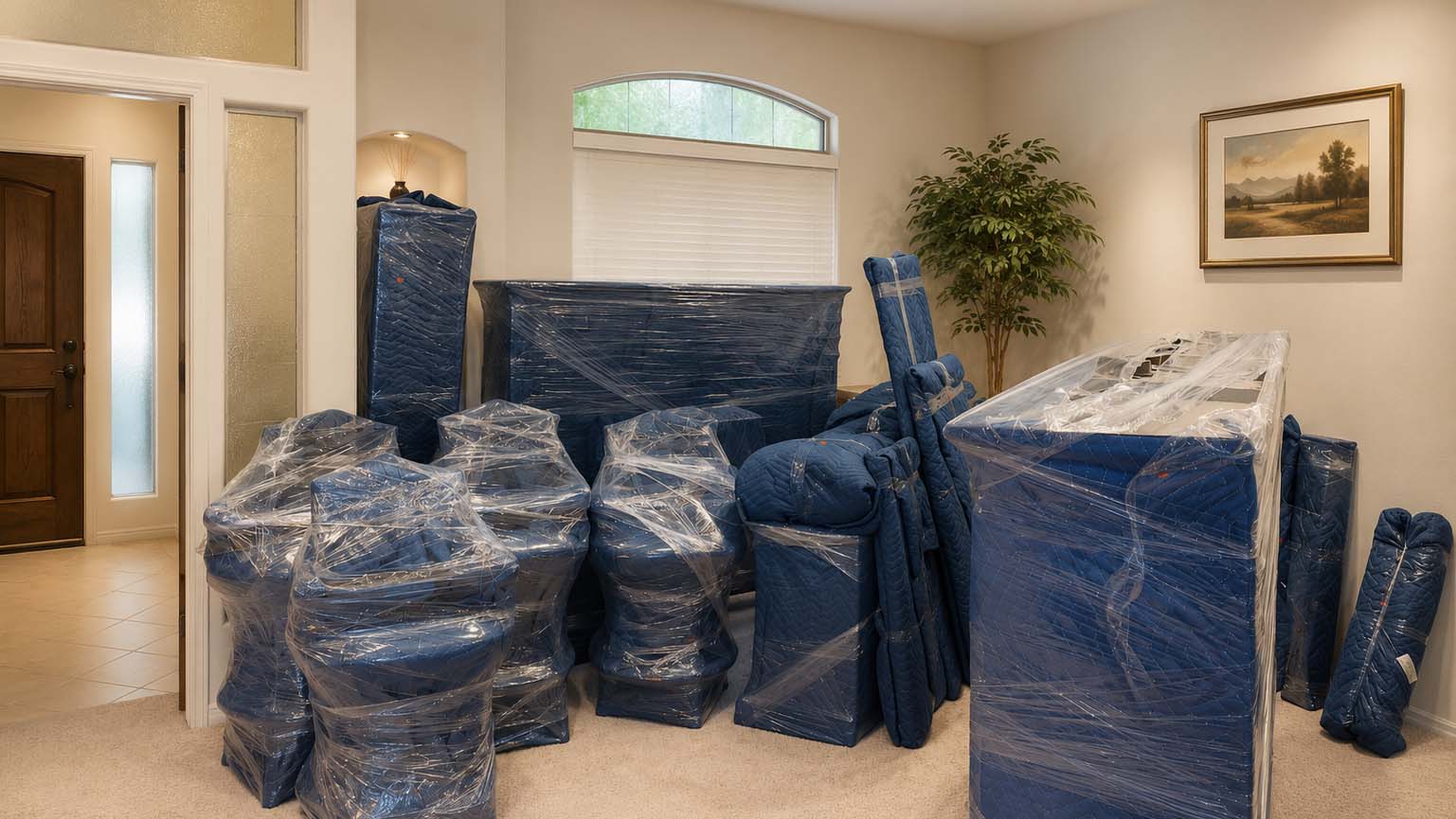
  • Furniture blankets
  • Specialty cartons
  • Custom crates

Material recommendations depend on the inventory and transportation method.

Packing Paper Versus Newspaper

Moving Buddies recommends blank newsprint packing paper for many household packing applications.

Blank packing paper:

  • Does not contain printing ink
  • Can be layered easily
  • Conforms to irregular shapes
  • Works well for dishes and glassware
  • Can fill empty space
  • Helps separate stacked items

Printed newspaper may transfer ink onto dishes, décor, and finished surfaces.

Packing the Kitchen

The kitchen is often the most labor-intensive room to pack.

Before packing begins:

  • Dispose of expired food
  • Separate items needed before moving day
  • Remove liquids that should not be transported
  • Empty and clean small appliances
  • Group similar items
  • Set aside medications
  • Confirm which pantry items are moving
  • Prepare enough strong boxes and paper

Kitchen packing may include:

  • Dishes
  • Glassware
  • Pots and pans
  • Small appliances
  • Utensils
  • Food-storage containers
  • Cookbooks
  • Serving pieces
  • Pantry goods
  • Decorative items

Packing Dishes

Dishes should generally be:

  • Wrapped individually
  • Packed into a strong box
  • Placed with cushioning at the bottom
  • Positioned vertically when appropriate
  • Separated between layers
  • Kept away from heavy cookware
  • Surrounded with sufficient paper
  • Packed tightly enough to limit movement

The box should close flat without pressure against the contents.

Packing Glassware

Glassware may need additional wrapping around:

  • Stems
  • Handles
  • Rims
  • Bases
  • Decorative projections

Each piece should be wrapped separately and positioned so it cannot move freely inside the box.

Packing Books and Files

Books, records, documents, and paper materials become extremely heavy when grouped together.

Recommended practices include:

  • Use small boxes
  • Keep weight manageable
  • Pack books flat or with spines supported
  • Avoid large empty spaces
  • Seal the bottom securely
  • Label boxes clearly
  • Keep confidential materials separate
  • Avoid packing damp or damaged paper

Businesses should establish additional controls for sensitive records.

Packing Clothing and Closets

Clothing may be packed in:

  • Wardrobe boxes
  • Medium cartons
  • Large cartons for lightweight garments
  • Suitcases
  • Approved storage containers

Before packing:

  • Separate clothing needed immediately
  • Remove items for donation
  • Empty pockets
  • Protect delicate garments
  • Keep shoes separate from clean clothing
  • Label boxes by person or room
  • Keep jewelry and valuables with the customer

Wardrobe boxes may allow hanging garments to remain on hangers during transportation.

Packing Bedrooms

Bedroom packing may include:

  • Clothing
  • Bedding
  • Lamps
  • Books
  • Décor
  • Personal items
  • Closet contents
  • Nightstand contents
  • Linens
  • Framed photographs

Customers should keep medications, documents, jewelry, keys, and other valuables separate.

Packing Bathrooms

Bathrooms often contain liquids, aerosols, medicines, and small items.

Before packing:

  • Dispose of expired products
  • Secure lids
  • Place liquids in sealed bags
  • Keep medications with the customer
  • Separate cleaning chemicals
  • Remove items that may leak
  • Avoid packing wet towels
  • Keep daily-use toiletries accessible

Open liquids may be restricted from transportation.

Packing Home Offices

Home-office packing may include:

  • Books
  • Files
  • Office supplies
  • Electronics
  • Monitors
  • Printers
  • Cables
  • Desk contents
  • Storage media
  • Small equipment

Before packing electronics:

  • Back up data
  • Shut devices down properly
  • Label cables
  • Photograph connections
  • Remove storage media
  • Keep passwords and sensitive data secure
  • Pack accessories with the correct device

Packing Electronics

Electronics should be:

  • Powered down
  • Disconnected
  • Labeled
  • Protected from impact
  • Kept dry
  • Packed with accessories
  • Separated from heavy items
  • Protected from extreme heat when necessary

Original packaging can be useful when it remains structurally sound and includes the correct inserts.

Packing Artwork and Mirrors

Artwork and mirrors may require:

  • Corner protection
  • Glassine or suitable surface protection
  • Picture cartons
  • Mirror boxes
  • Moving blankets
  • Foam
  • Cardboard
  • Custom crating
  • Upright transportation

Large, valuable, or unusually fragile pieces should be identified before service.

Packing Lamps

Lamps should generally be disassembled.

Preparation may include:

  • Removing shades
  • Removing bulbs
  • Separating finials
  • Securing cords
  • Wrapping bases
  • Packing shades separately
  • Labeling components
  • Avoiding heavy items in the same box

Lampshades are lightweight but easily crushed and usually require dedicated space.

Packing Garage and Storage Areas

Garages, sheds, and storage rooms often contain the most varied belongings.

Before packing:

  • Remove fuel
  • Separate propane tanks
  • Identify chemicals
  • Dispose of prohibited materials
  • Secure sharp tools
  • Drain approved equipment
  • Group loose hardware
  • Pack small tools in strong boxes
  • Identify unusually heavy items
  • Clean outdoor equipment
  • Confirm storage-container restrictions

Hazardous or flammable materials should not be packed for standard moving transportation.

Packing for Storage

Items placed into storage may remain packed for months or years.

Storage packing should account for:

  • Box strength
  • Humidity
  • Heat
  • Dust
  • Long-term stacking
  • Pest exposure
  • Retrieval needs
  • Label visibility
  • Ventilation
  • Climate sensitivity

Recommended practices include:

  • Use new or strong cartons
  • Label multiple sides
  • Avoid packing damp items
  • Clean furniture before storage
  • Protect mattresses
  • Keep fabric items breathable when appropriate
  • Avoid direct contact with concrete
  • Create an inventory
  • Keep frequently needed items accessible

Packing for a Long-Distance Move

Long-distance shipments may experience more vibration, longer transit times, and additional handling.

Packing should emphasize:

  • Strong cartons
  • Complete cushioning
  • Secure sealing
  • Clear labels
  • Stable internal packing
  • Fragile-item separation
  • Furniture protection
  • Specialty cartons
  • Accurate inventory
  • Priority-item identification

Partially filled boxes are more likely to collapse during extended transportation.

Packing for Portable Containers

Portable containers require careful space planning because belongings may remain loaded during transport or storage.

Packing should consider:

  • Weight distribution
  • Stable stacking
  • Moisture protection
  • Furniture padding
  • Tie-down points
  • Empty-space reduction
  • Container movement
  • Long-term access
  • Door clearance

Items needed first should be loaded last when practical.

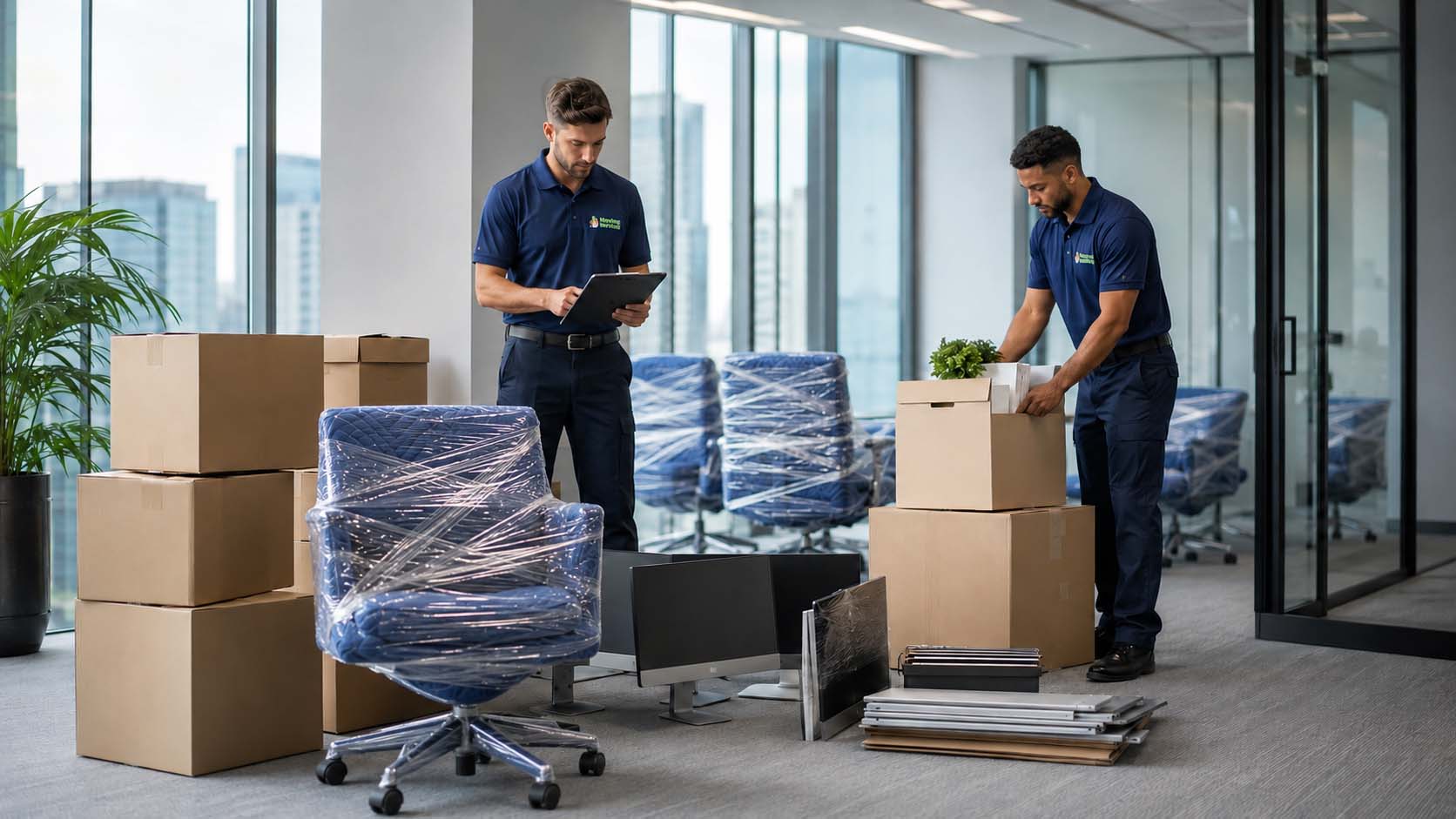
Packing an Office or Business

Commercial packing should be organized by department, employee, room, or destination zone.

Business packing may include:

  • Files
  • Books
  • Supplies
  • Electronics
  • Workstation contents
  • Retail inventory
  • Marketing materials
  • Break-room contents
  • Storage items
  • Small equipment

Confidential or regulated records should be handled according to company policy.

Items Customers Should Pack Personally

Certain belongings should generally remain under the customer’s control.

These may include:

  • Medications
  • Identification
  • Passports
  • Cash
  • Jewelry
  • Legal documents
  • Financial records
  • Keys
  • Irreplaceable photographs
  • Small heirlooms
  • Electronic backups
  • Laptops containing sensitive data
  • Moving documents
  • Items needed immediately

These belongings should be placed in a clearly separated area before packing begins.

Items That Should Not Be Packed

Movers generally should not pack hazardous, flammable, explosive, corrosive, perishable, or unstable materials.

Restricted items may include:

  • Gasoline
  • Propane
  • Ammunition
  • Fireworks
  • Certain paints
  • Solvents
  • Pesticides
  • Compressed gases
  • Corrosive chemicals
  • Open liquids
  • Perishable food
  • Medications
  • Items prohibited by law or company policy

Customers should review the applicable prohibited-items requirements before packing day.

How Moving Buddies Approaches Unpacking

Establishing Priorities

Unpacking should begin with the rooms and belongings needed first.

Priority areas often include:

  • Bedrooms
  • Bathrooms
  • Kitchen essentials
  • Medications
  • Clothing
  • Home office
  • Children’s rooms
  • Mobility equipment
  • Daily-use electronics
  • Important documents

Decorative and nonessential items can be unpacked later.

Opening and Organizing Boxes

Unpacking may include:

  • Opening cartons
  • Removing packing paper
  • Identifying contents
  • Placing items in designated areas
  • Grouping similar belongings
  • Setting aside damaged or questionable items
  • Breaking down empty boxes
  • Consolidating packing paper
  • Keeping hardware and components organized

Customers should provide clear direction about where belongings belong.

Setting Up the Kitchen

Kitchen unpacking may include placing:

  • Dishes
  • Glassware
  • Cookware
  • Utensils
  • Pantry goods
  • Small appliances
  • Food-storage containers

The customer should identify cabinet and drawer preferences before work begins.

Setting Up Bedrooms

Bedroom unpacking may focus on:

  • Bedding
  • Clothing
  • Nightstand essentials
  • Lamps
  • Daily-use personal items
  • Closet organization
  • Bed setup

Furniture assembly and detailed closet organization should be included in the agreed scope.

Unpacking Offices

Office unpacking may include:

  • Books
  • Files
  • Supplies
  • Desk contents
  • Accessories
  • Boxed equipment

Technology reconnection is generally handled by the customer or a qualified IT professional.

What Unpacking Service Does Not Automatically Include

Unless specifically arranged, unpacking service may not include:

  • Detailed home organization
  • Interior design
  • Hanging artwork
  • Wall mounting
  • Electrical work
  • Plumbing
  • Appliance connection
  • Technology installation
  • Cabinet modification
  • Shelf installation
  • Cleaning
  • Donation hauling
  • Disposal
  • Permanent removal of packing debris
  • Furniture repair
  • Complex assembly

These services may require separate providers or additional arrangements.

Packing and Unpacking for Senior Moves

Senior moving projects may benefit from additional organization and a slower, more deliberate approach.

Services may include:

  • Packing selected belongings
  • Separating items by destination
  • Labeling boxes clearly
  • Packing fragile keepsakes
  • Preparing a smaller residence
  • Unpacking priority areas
  • Setting up the bedroom
  • Placing everyday kitchen items
  • Breaking down boxes
  • Coordinating with family members

One family member or representative should be designated to approve decisions.

Packing Items for Multiple Destinations

Some moves include belongings going to:

  • A new residence
  • Storage
  • Family members
  • Donation
  • A secondary property
  • A business location
  • An estate-sale company

Each group should be:

  • Clearly labeled
  • Physically separated
  • Assigned a destination
  • Included in the inventory
  • Packed according to its transportation needs

Multiple destinations should be discussed during the estimate process.

Owner-Packed Versus Professionally Packed Boxes

Customers may pack some boxes themselves while hiring Moving Buddies for selected items.

Owner-packed boxes should still be:

  • Structurally sound
  • Fully closed
  • Taped securely
  • Properly cushioned
  • Clearly labeled
  • Within a manageable weight
  • Free from prohibited items

Moving Buddies may recommend repacking a box that appears unsafe, damaged, overloaded, or insufficiently protected.

Preparing for Packing Day

Before the packing crew arrives:

  • Decide what is moving
  • Remove donation and disposal items
  • Separate valuables
  • Set aside medications
  • Identify belongings that should not be packed
  • Complete laundry
  • Remove food from unwanted areas
  • Clear counters and surfaces
  • Identify fragile items
  • Confirm packing materials
  • Create destination categories
  • Keep children and pets away from work areas
  • Designate one decision-maker
  • Provide access to all included rooms
  • Keep moving documents available

The crew should not have to determine which belongings belong to the customer or which items should be discarded.

Preparing for Unpacking Day

Before unpacking begins:

  • Confirm furniture placement
  • Clean the destination
  • Ensure utilities are active
  • Label rooms
  • Clear counters and shelves
  • Identify priority boxes
  • Decide where kitchen items belong
  • Prepare closet space
  • Keep children and pets away from active work areas
  • Designate one decision-maker
  • Separate boxes that should remain packed
  • Identify items going to storage
  • Confirm debris-handling arrangements

A ready destination allows unpacking to proceed more efficiently.

Preparation Tips

To prepare for packing and unpacking service:

  • Begin sorting early
  • Remove items that are not moving
  • Create a complete inventory
  • Separate valuables and documents
  • Identify fragile and specialty items
  • Decide which rooms are included
  • Confirm who is supplying materials
  • Keep prohibited items separate
  • Establish a labeling system
  • Identify multiple destinations
  • Prepare an essentials box
  • Keep daily-use belongings accessible
  • Clear work surfaces
  • Designate one decision-maker
  • Decide destination placement before unpacking
  • Confirm what should remain boxed
  • Review the agreed service scope

Clear decisions before service begins can reduce labor time and prevent packing mistakes.

Factors That Affect Packing and Unpacking Time

Service time may depend on:

  • Total inventory
  • Number of rooms
  • Amount of fragile property
  • Kitchen size
  • Number of books and files
  • Closet contents
  • Garage and storage contents
  • Availability of materials
  • Number of specialty items
  • Customer readiness
  • Number of undecided belongings
  • Labeling requirements
  • Multiple destinations
  • Amount of unpacking requested
  • Level of organization expected
  • Furniture assembly needs
  • Access conditions
  • Crew size

Two homes with similar square footage may require very different amounts of packing labor.

Getting an Accurate Estimate

To receive a more accurate packing and unpacking estimate, be prepared to provide:

  • Property address
  • Destination address when applicable
  • Requested service date
  • Type and size of property
  • Number of rooms
  • Approximate amount of belongings
  • Areas included in the service
  • Kitchen size
  • Number of closets
  • Book and file quantity
  • Garage, patio, shed, and storage contents
  • Fragile or high-value items
  • Artwork and mirrors
  • Packing-material needs
  • Approximate box count already completed
  • Multiple destinations
  • Storage requirements
  • Unpacking priorities
  • Furniture assembly needs
  • Desired completion timeline
  • Photographs, video, or inventory information when requested

Moving Buddies Tucson AZ can use this information to recommend an appropriate crew, estimate material requirements, identify specialty-packing needs, and create a practical plan for the requested packing and unpacking service.

Moving Solutions Tailored for You

Ready To Begin Your Journey? Our
Experts Are Here To Help.
GET A QUOTE