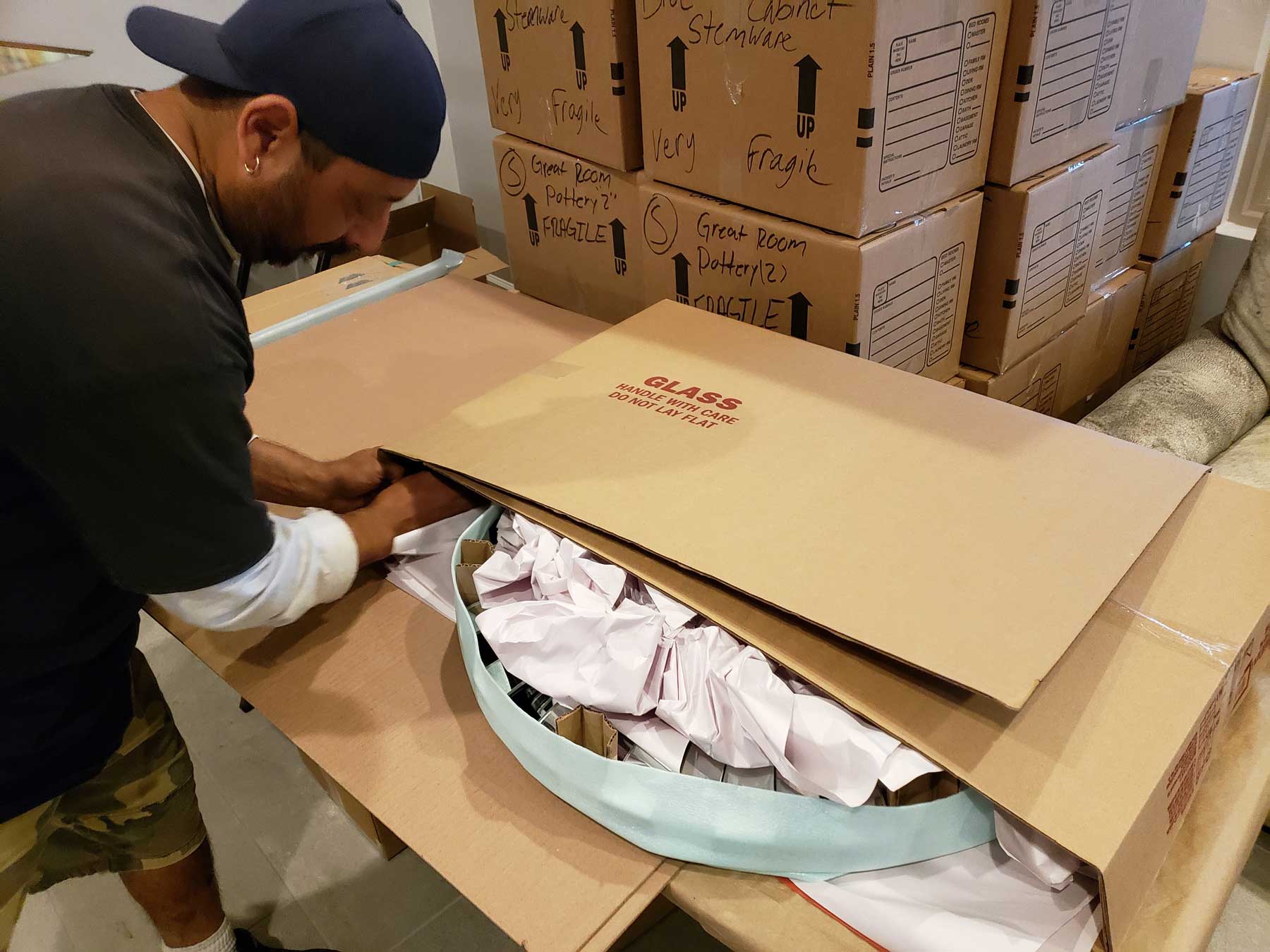
Fine Art Moving In Tucson, AZ

Careful moving help for artwork, mirrors, sculptures, antiques, and fragile household pieces

Fine art moving requires more planning than ordinary household moving.

Artwork, mirrors, sculptures, antiques, framed pieces, glass-covered art, and fragile decorative items are not just “things on the wall.” They are often valuable, sentimental, delicate, difficult to replace, or vulnerable to pressure, vibration, corner damage, glass breakage, and poor packing.

Moving Buddies provides fine art moving support for customers who need careful handling during a local move, home-to-storage move, senior move, downsizing move, estate transition, office move, or specialty-item relocation.

Our goal is simple: protect the item, protect the home, and move the piece with a plan instead of treating it like ordinary furniture.

Fine art items we can help move

Fine art and fragile decor may include:

Framed artwork
Canvas pieces
Large wall art
Mirrors
Glass-covered artwork
Decorative panels
Sculptures
Antiques
Collectibles
Large framed photographs
Shadow boxes
Fragile wall decor
High-value decorative pieces
Gallery-style pieces
Estate items
Sentimental heirlooms
Office or lobby art

Some pieces can be safely handled with careful wrapping and proper moving technique. Others may require specialty cartons, custom crating, third-party service, or a more detailed plan before moving day.

Why fine art moving is different

Fine art can be damaged in ways ordinary furniture is not.

Common risks include:

Frame corner damage
Glass breakage
Canvas punctures
Surface scratches
Pressure marks
Loose backing
Separated frames
Hardware failure
Moisture exposure
Poor stacking
Vibration during transport
Damage from leaning items incorrectly
Damage from being placed under weight in the truck

The item may look sturdy while hanging on the wall, but once it is removed, carried through doorways, loaded, transported, and placed again, the risk changes.

Fine art should be identified before the move starts, not discovered as the truck is being loaded.

How Moving Buddies approaches fine art moving

Fine art moving starts with planning.

Before moving the piece, we consider:

Size
Weight
Frame condition
Glass or acrylic covering
Canvas surface
Mounting hardware
Fragility
Value
Sentimental importance
Carry path
Doorway clearance
Stair or elevator access
Truck placement
Destination placement

The right method depends on the item. A small framed print, a large mirror, a stretched canvas, and a heavy sculpture should not all be handled the same way.

Wrapping and protection

Fine art protection may involve different materials depending on the piece and the move.

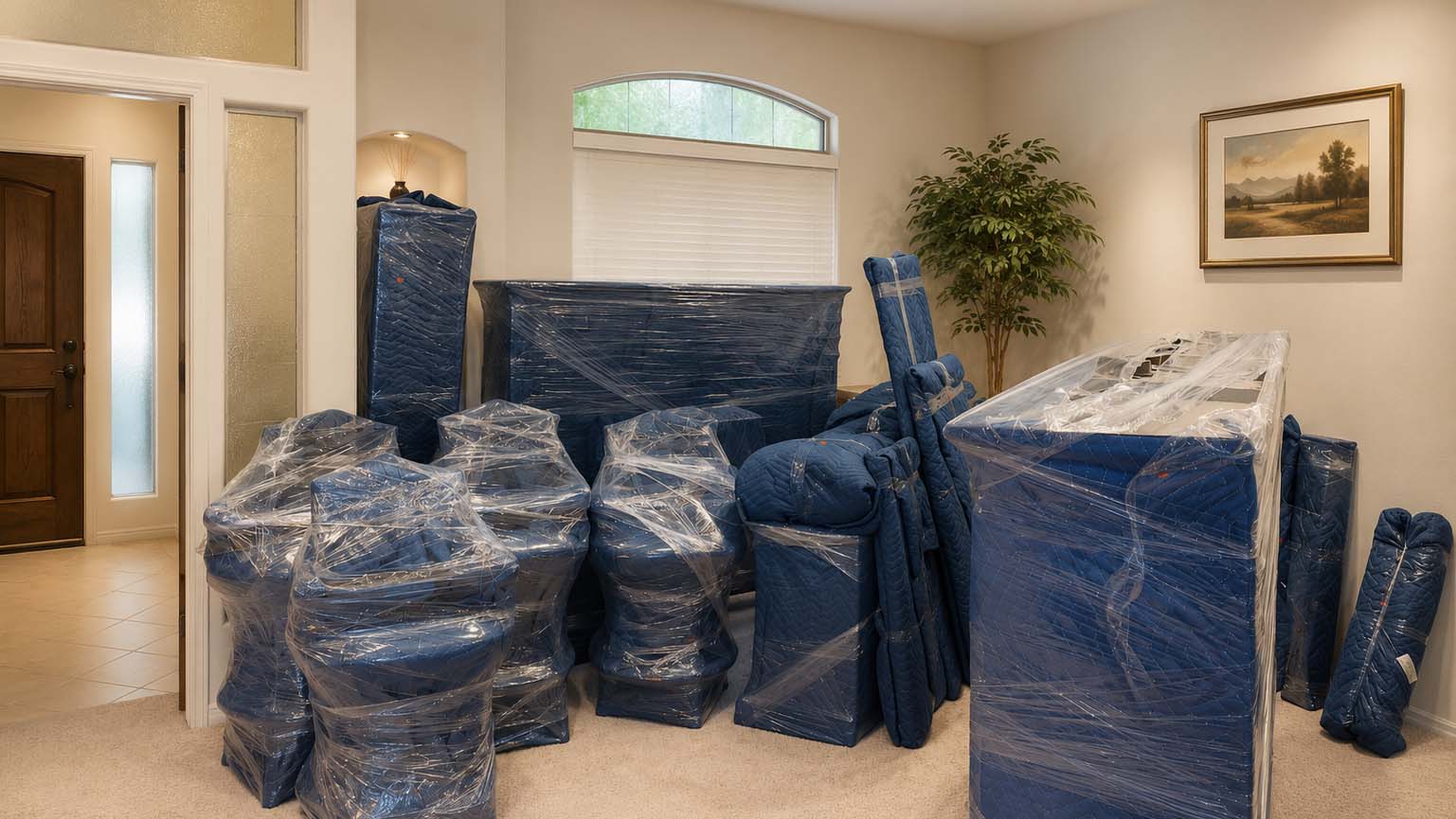
Common protection methods may include:

Moving blankets
Paper padding
Cardboard protection
Corner protection
Stretch wrap over padding when appropriate
Mirror or picture cartons when requested or available
Careful upright handling
Protected truck placement
Separation from heavy furniture
Secure loading position

For many framed pieces and mirrors, the key is preventing pressure on glass, protecting corners, and keeping the item from shifting or rubbing against other items.

For canvas pieces, the priority is protecting the surface from punctures, pressure, abrasion, and direct contact with rough materials.

For sculptures, the priority is stability, base support, and preventing tipping or pressure on fragile protruding areas.

When crating may be needed

Some fine art should not be moved with ordinary padding alone.

Crating may be recommended when the item is:

Very valuable
Very fragile
Oversized
Irreplaceable
Going long distance
Going into storage
Being handled by multiple parties
Made of glass, stone, ceramic, or delicate materials
Too large for standard picture cartons
Likely to be damaged by pressure or vibration
A sculpture or unusually shaped piece

Custom crating can provide a stronger protective structure than blankets or cartons. If a piece requires crating, it should be discussed before moving day so the right plan can be made.

Moving Buddies can help identify when ordinary moving protection may not be enough, but customers with highly valuable or museum-grade pieces should consider specialized art packing, appraisal, and insurance support before the move.

Preparing artwork before moving day

Customers can help the move go smoothly by preparing fine art ahead of time.

Before moving day:

Identify all artwork, mirrors, sculptures, antiques, and fragile decor.
Tell the mover about high-value or irreplaceable pieces.
Remove small fragile decor from shelves and pack it properly.
Do not leave loose artwork scattered around the home.
Keep certificates, appraisals, or paperwork with you.
Photograph important pieces before the move.
Tell the crew if a piece is already cracked, loose, repaired, or unstable.
Decide where each piece should go at the destination.

If a piece is mounted to the wall, clarify whether the movers are expected to remove it. Some wall-mounted items, heavy mirrors, specialty brackets, security mounts, or built-in installations may require a handyman, installer, or specialty provider.

Framed artwork and mirrors

Framed art and mirrors need careful handling because they are vulnerable at the corners and across the glass surface.

Helpful preparation includes:

Remove the item from the wall before move day if you are comfortable doing so.
Inspect the frame for loose corners or weak backing.
Remove loose hanging hardware if it may catch or scratch.
Keep small frames boxed when possible.
Tell the crew which pieces are glass-covered.
Use picture cartons for better protection when available.
Keep large pieces upright when possible.

Never stack heavy furniture or boxes against the face of framed art or mirrors.

Even when glass does not break, pressure can damage frames, backing, or the art surface.

Canvas artwork

Canvas pieces need protection from punctures, rubbing, and pressure.

Unlike framed glass artwork, canvas may not have a hard protective front. That means the surface itself must be treated carefully.

For canvas pieces:

Avoid placing pressure on the canvas face.
Keep sharp edges away from the surface.
Avoid loose tools or hardware near the art.
Use appropriate padding and separation.
Do not allow the piece to rub against furniture or boxes.
Keep the item upright when practical.

Large canvas pieces may need special cartons or crating depending on size, value, and distance.

Sculptures and fragile decor

Sculptures and fragile decor require special attention because their weight and shape can be unpredictable.

A sculpture may be heavy at the base but fragile at the top. It may have thin arms, sharp edges, delicate finishes, or uneven balance.

Before moving sculptures or fragile decor, consider:

Weight
Base stability
Fragile protruding parts
Surface finish
Material
Carry path
Whether it can be boxed or crated
Whether it should be handled by more than two movers
Whether it needs a specialty provider

Small fragile decor should usually be packed in boxes with plenty of paper, not carried loose.

Large sculptures should be discussed before moving day so the crew can plan labor, equipment, and protection.

Antiques and heirlooms

Antiques and heirlooms can be fragile because of age, construction, repairs, veneer, glass, old hardware, delicate joints, or sentimental value.

Even if an antique looks solid, it may not respond well to normal moving pressure.

Customers should tell the crew if an item is:

Antique
Previously repaired
Loose or wobbly
Made with delicate veneer
Glass-fronted
Extremely sentimental
Hard to replace
Part of an estate transition
Not safe to lift from certain areas

Antiques may require slower handling, extra padding, or specialty packing. In some cases, the safest advice may be to crate the item or involve a specialty restoration or art-handling provider.

Fine art in storage moves

Fine art going into storage needs extra thought.

Storage moves can create added risk because the item may sit for weeks, months, or longer. Temperature, humidity, stacking pressure, pests, vibration, and access conditions can matter.

Before storing artwork or fragile pieces:

Use appropriate packing or crating.
Avoid placing art where heavy items can lean against it.
Keep pieces upright when appropriate.
Avoid storing directly on concrete if moisture is possible.
Avoid extreme heat when possible.
Use climate-controlled storage for sensitive pieces when appropriate.
Keep inventory records and photos.

If the item is valuable or sensitive, ordinary storage may not be the right solution.

Fine art during local moves

For local Tucson-area moves, fine art often travels a short distance, but short distance does not eliminate risk.

Most damage happens during handling, not mileage.

Important local-move concerns include:

Removing art safely from the wall
Carrying through tight hallways
Protecting corners
Avoiding glass pressure
Loading in the truck correctly
Keeping art separated from heavy items
Placing it safely at destination
Avoiding heat exposure when possible

Even a short move across town should treat fragile pieces with respect.

Fine art during larger household moves

When fine art is part of a full household move, it should be separated from the ordinary flow of boxes and furniture.

A good plan may include:

Identifying all artwork during the walkthrough
Grouping smaller art together
Handling large pieces separately
Loading art in a protected section
Avoiding pressure from mattresses, tables, or boxes
Unloading art into a safe room or designated area
Placing fragile pieces away from heavy traffic during unloading

Fine art should not be treated as an afterthought at the end of the truck.

What customers should keep with them

Some items should not be sent casually with a moving crew unless the service and protection are clearly appropriate.

Consider personally transporting:

Small high-value artwork
Jewelry-like collectibles
Certificates of authenticity
Appraisals
Insurance documents
Small heirlooms
Highly sensitive items
Extremely fragile small pieces
Irreplaceable personal items

If the item cannot be replaced and you can safely transport it yourself, that may be the better choice.

Insurance, valuation, and documentation

Fine art and high-value items should be discussed before the move.

Moving liability is not always the same as replacement-cost insurance. Standard moving valuation may have limits, exclusions, documentation requirements, or different levels of protection depending on the service type and written agreement.

Before moving valuable art, customers should consider:

Current photos
Appraisals
Receipts or value records
Condition documentation
Insurance coverage
Whether additional valuation is available
Whether the item requires crating
Whether a specialized art mover is more appropriate

The more valuable or irreplaceable the item, the more important it is to plan protection before moving day.

Getting an accurate fine art moving estimate

To estimate fine art moving, helpful details include:

Item type
Dimensions
Approximate weight
Photos
Value level or sensitivity
Whether the item has glass
Whether it is framed, canvas, sculpture, or antique
Pickup and delivery addresses
Stairs or elevators
Distance from item location to truck
Whether packing or crating is needed
Whether the item is going to storage
Preferred move date

Photos are especially helpful because fine art and fragile decor can be hard to describe accurately over the phone.

When a specialty art mover may be better

Moving Buddies can help with many household fine art and fragile-item moves, but some pieces may require a dedicated fine art specialist.

A specialty art mover may be better for:

Museum-grade pieces
Very high-value artwork
Large sculptures
Extremely fragile antiques
Items requiring climate-controlled transport
Custom crating with conservation standards
Pieces requiring installation or deinstallation
Items with formal insurance or lender requirements
Gallery, museum, or collector-level moves

The goal is not to overcomplicate every piece. The goal is to match the service level to the risk.

Final takeaway

Fine art moving is about planning, protection, and judgment.

Some pieces need careful wrapping and smart truck placement. Others need cartons, custom crating, special equipment, or a dedicated art-handling provider.

Moving Buddies helps Tucson and Southern Arizona customers move framed art, mirrors, sculptures, antiques, fragile decor, and high-value household pieces with a careful, practical approach.

The best result starts with clear information before moving day: identify the pieces, disclose fragile or valuable items, take photos, discuss packing needs, and choose the right protection for the item.

Moving Solutions Tailored for You

Ready To Begin Your Journey? Our
Experts Are Here To Help.
GET A QUOTE