Senior Moving Services in Tucson, Arizona

Thoughtful Moving Support for Older Adults and Their Families

Senior moves often involve more than transporting furniture from one address to another. They may include downsizing a long-time home, coordinating with family members, choosing what to keep, preparing for a smaller residence, and managing a major life transition.

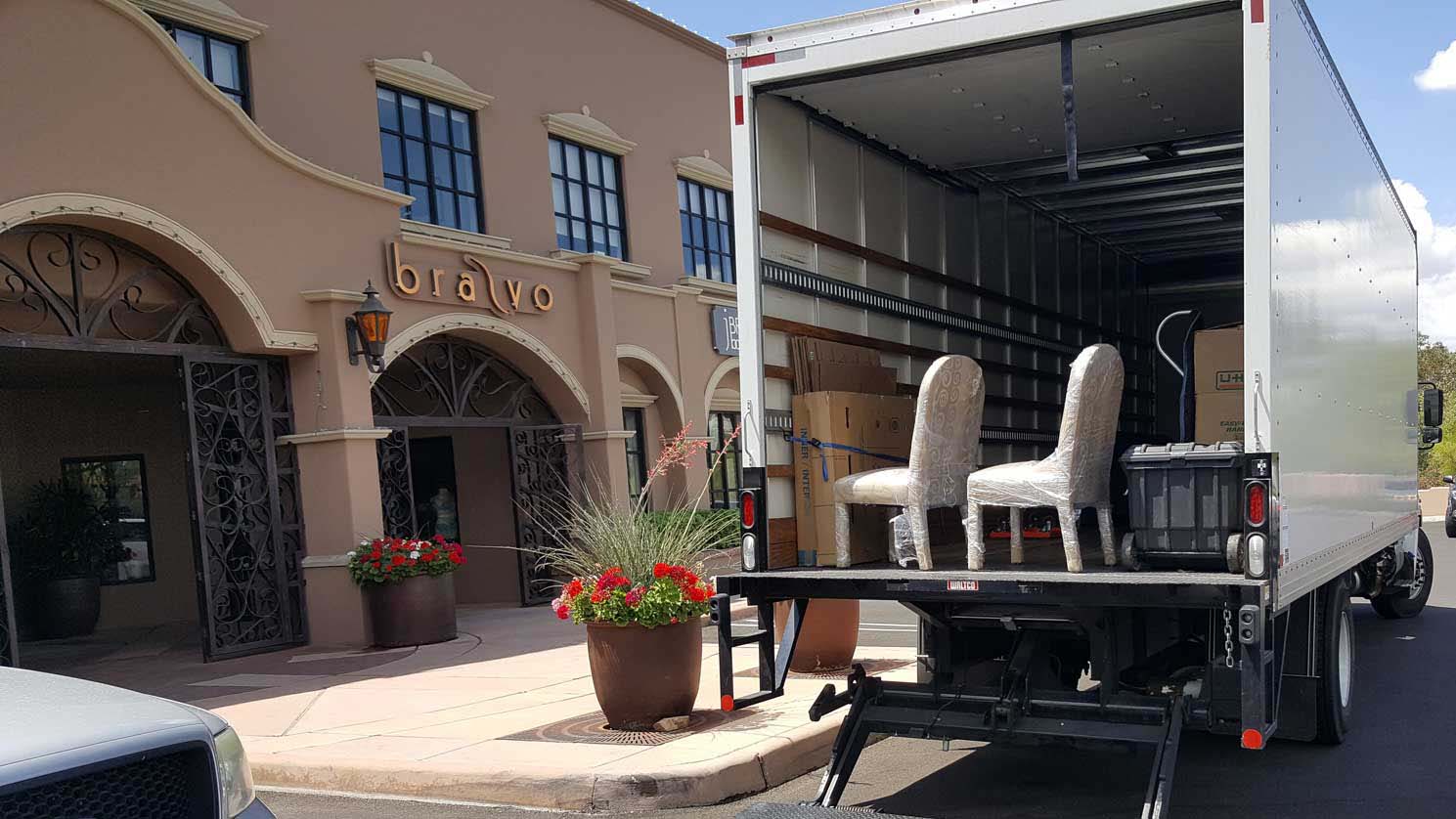
Moving Buddies Tucson AZ provides professional senior moving services for older adults relocating within Tucson and surrounding Southern Arizona communities. We help with household moving, packing, furniture handling, loading, unloading, and placement at the new residence.

Our goal is to make the physical moving process more organized while treating the customer, the home, and the belongings with patience and respect.

What Senior Moving Services Include

The exact scope depends on the customer’s needs, timeline, residence, inventory, and level of family involvement.

Senior moving services may include:

  • Moving household furniture
  • Packing selected belongings
  • Full-home packing
  • Unpacking boxes
  • Loading and unloading
  • Furniture disassembly and reassembly
  • Moving into retirement communities
  • Moving into independent-living residences
  • Moving into assisted-living communities
  • Downsizing from a house to an apartment
  • Moving items into storage
  • Relocating belongings to family members
  • Internal furniture rearrangement
  • Placing furniture according to a floor plan
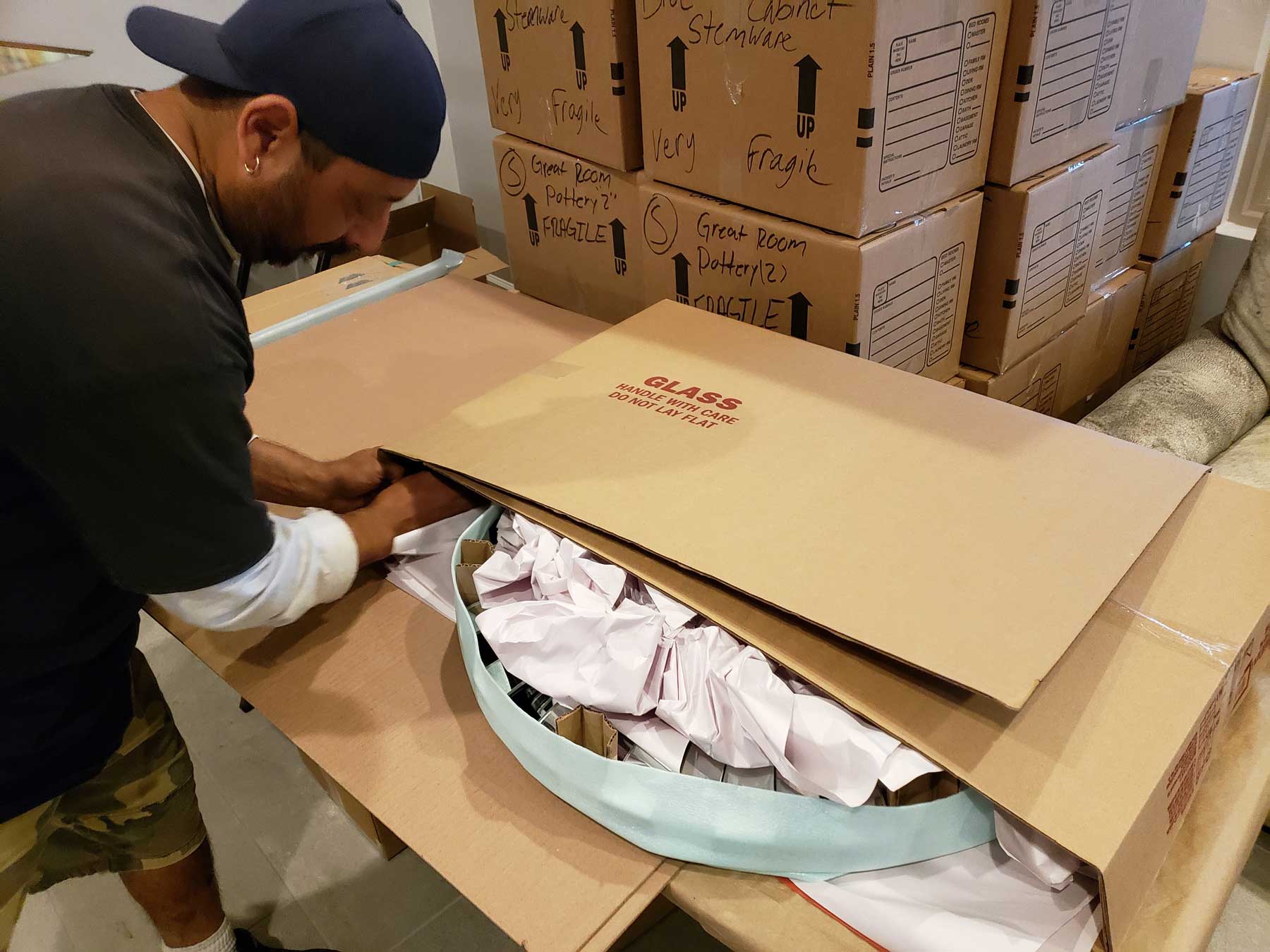
  • Handling artwork, mirrors, and fragile items
  • Coordinating move-day priorities with family or caregivers

Donation hauling, estate-sale coordination, disposal services, cleaning, and organizing may need to be arranged separately unless specifically included.

When Senior Moving Services Are Helpful

Professional moving assistance can be especially useful when:

  • A customer is downsizing from a long-time home
  • Family members live out of town
  • The new residence is smaller
  • The move must be completed within a limited timeframe
  • Heavy lifting is not safe or practical
  • The customer needs help packing
  • The move involves a retirement or assisted-living community
  • Furniture must be carefully selected for the new space
  • Belongings are going to multiple destinations
  • Some items are moving into storage
  • A family is coordinating the move after a medical or lifestyle change
  • The customer wants a more structured and less physically demanding moving process

Senior moving services can be used for a complete move or only the portions where professional help is needed most.

How Senior Moves Are Different

A senior move may involve belongings accumulated over many years, emotional attachment to the home, and uncertainty about what will fit in the new residence.

Common challenges include:

  • Sorting decades of household belongings
  • Deciding what to keep
  • Coordinating with multiple family members
  • Managing sentimental items
  • Working with a smaller floor plan
  • Meeting community move-in requirements
  • Separating items for storage, donation, or family
  • Protecting antiques and heirlooms
  • Scheduling around health or mobility concerns
  • Avoiding unnecessary stress on moving day

A successful move usually begins with realistic planning and clear decisions before the movers arrive.

How Moving Buddies Approaches Senior Moving

Listening Before Moving

Every senior move is different. Some customers want to remain closely involved in every decision, while others rely on family members, caregivers, or a designated move coordinator.

Before the move, it is helpful to establish:

  • Who is making final decisions
  • Who will be present on moving day
  • Which belongings are moving
  • Which items are going to storage
  • Which items are going to family
  • Which items are being donated or discarded
  • What the new residence can accommodate
  • Which belongings are most important
  • Whether packing or unpacking help is needed

Clear communication helps reduce confusion and repeated handling.

Working at a Manageable Pace

Senior moves may require additional patience, especially when the customer is sorting personal belongings or making final decisions.

Whenever possible, major choices should be completed before moving day. This allows the moving crew to focus on packing, handling, loading, transportation, and placement.

Protecting Meaningful Belongings

Many senior moves include heirlooms, antiques, artwork, family photographs, collections, and furniture with personal significance.

Protection may involve:

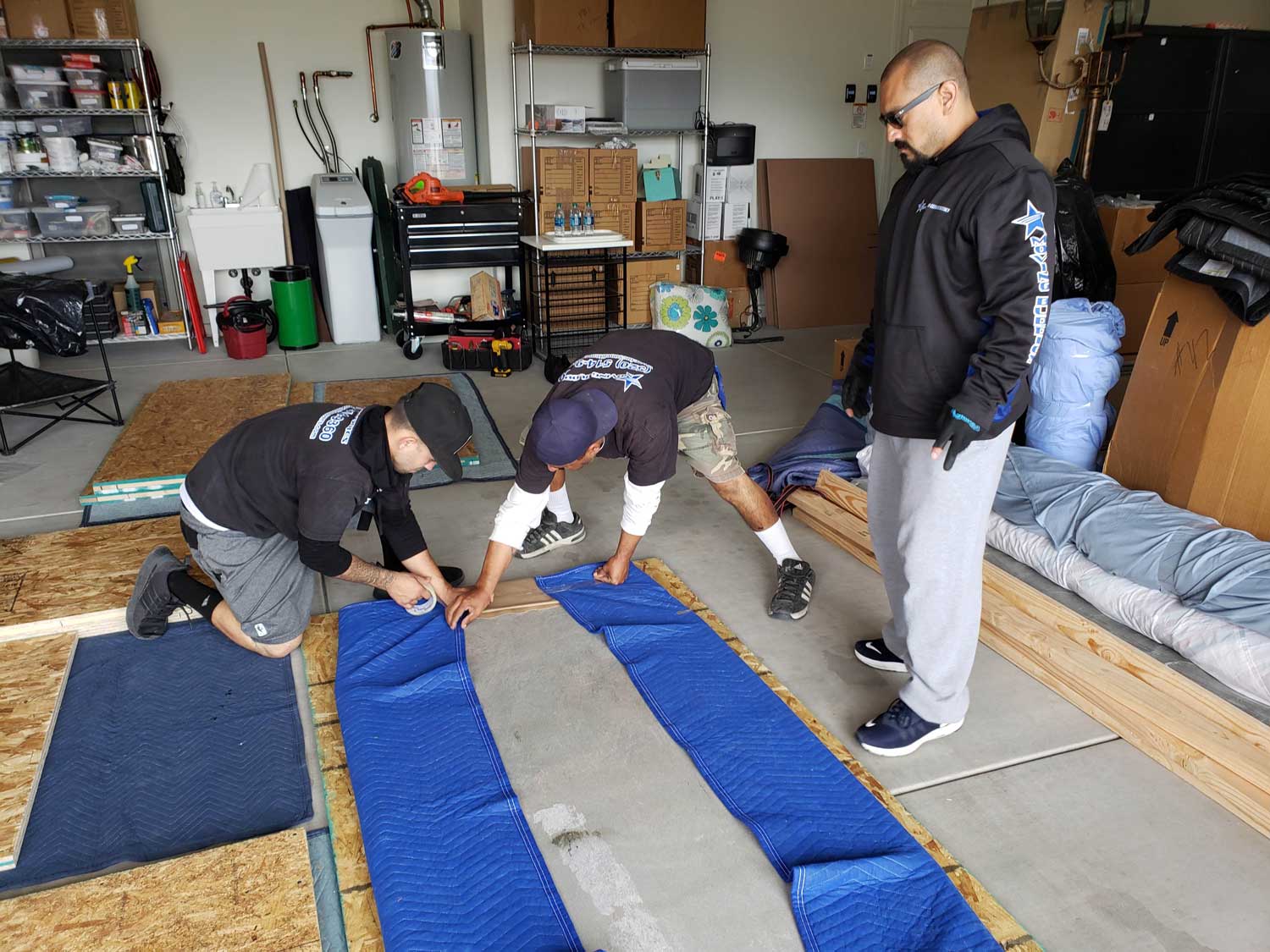
  • Moving blankets
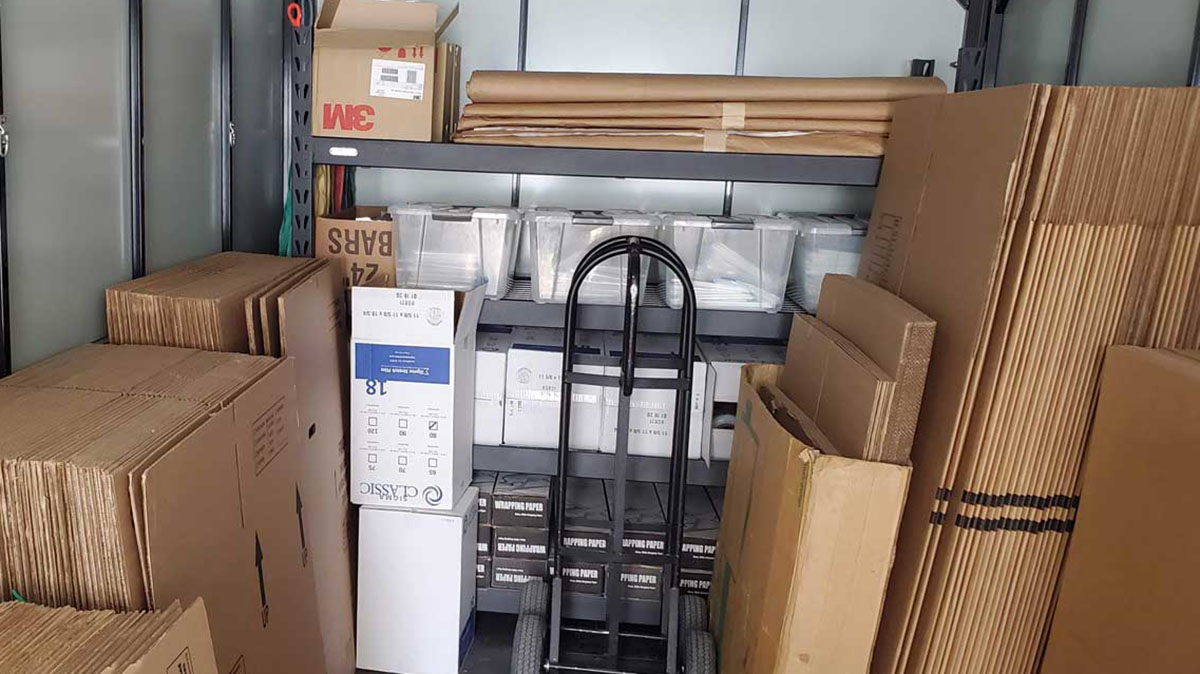
  • Packing paper
  • Stretch wrap
  • Corner protectors
  • Specialty boxes
  • Picture or mirror cartons
  • Mattress protection
  • Custom crating when needed

Items requiring special handling should be identified during the estimate process.

Placing Furniture With Care

Furniture placement is particularly important when the new residence is smaller or when mobility and accessibility are concerns.

Before moving day, it helps to determine:

  • Which furniture will fit
  • Which pieces are essential
  • Where major furniture should go
  • Whether walkways will remain clear
  • Whether doors and drawers can open fully
  • Whether mobility devices require additional space
  • Whether certain items should remain near the bed, chair, or entryway

A simple floor plan can help the crew place major items correctly the first time.

Downsizing Before the Move

Downsizing is often the most time-consuming part of a senior move.

A practical sorting system is to divide belongings into categories such as:

  • Moving to the new residence
  • Giving to family
  • Donating
  • Selling
  • Placing in storage
  • Discarding
  • Reviewing later

The “review later” category should remain limited. Too many undecided items can delay packing and increase storage costs.

Choosing What Will Fit

A smaller residence may not accommodate all existing furniture.

Before deciding what to move, confirm:

  • Room dimensions
  • Doorway widths
  • Elevator dimensions
  • Hallway clearances
  • Closet space
  • Storage availability
  • Bed size
  • Dining-space dimensions
  • Number of permitted furniture pieces
  • Community restrictions

Measure both the furniture and the new residence. A piece may fit inside a room but still be too large to move through the doorway or elevator.

Moving Into a Retirement Community

Retirement, independent-living, and assisted-living communities may have specific move-in procedures.

These may include:

  • Approved moving hours
  • Elevator reservations
  • Loading-area assignments
  • Certificate-of-insurance requirements
  • Vendor registration
  • Protective floor coverings
  • Parking instructions
  • Security check-in
  • Limited move-in windows
  • Restrictions on certain entrances
  • Furniture-size limitations
  • Advance notice requirements

The customer or family should obtain and share these requirements before the move is scheduled.

Coordinating With Family Members

Family involvement can be helpful, but too many decision-makers can create confusion.

It is best to designate one primary contact who can:

  • Approve decisions
  • Confirm the inventory
  • Communicate with the moving company
  • Direct furniture placement
  • Resolve questions
  • Coordinate access
  • Confirm what is staying or leaving
  • Speak with community management

Other family members can help with sorting, packing personal items, and transporting valuables.

Packing for a Senior Move

Start With Nonessential Items

Begin with belongings that are not used daily, such as:

  • Books
  • Seasonal decorations
  • Extra linens
  • Artwork
  • Formal dishes
  • Collectibles
  • Stored clothing
  • Guest-room contents

Everyday items should be packed closer to moving day.

Pack by Room and Destination

Each box should be labeled with:

  • Destination room
  • General contents
  • Customer name if moving into a shared community
  • Priority status
  • Whether the box contains fragile items

Boxes going to storage, family members, or donation should be marked clearly and kept separate.

Use Smaller Boxes for Heavy Items

Books, files, canned goods, and other dense belongings should be packed in smaller boxes.

Large boxes should generally be used for lightweight, bulky items such as bedding, pillows, and towels.

Keep Essentials Separate

Prepare a personal essentials bag or box that does not go into the moving truck.

This may include:

  • Medications
  • Identification
  • Important documents
  • Keys
  • Phone and charger
  • Hearing-aid supplies
  • Eyeglasses
  • Toiletries
  • Change of clothing
  • Snacks and water
  • Medical-device accessories
  • Community paperwork
  • Emergency contact information

These items should remain with the customer or a trusted family member.

Protecting Important Documents and Valuables

Certain belongings should usually be transported personally rather than placed on the moving truck.

Examples include:

  • Medications
  • Legal documents
  • Financial records
  • Jewelry
  • Cash
  • Family photographs that cannot be replaced
  • Small heirlooms
  • Identification
  • Medical records
  • Electronic data-storage devices
  • Keys
  • Checkbooks
  • Passports

The customer or family should decide in advance who will be responsible for these items.

Moving Antiques and Heirlooms

Antiques and heirlooms may require additional preparation.

Before moving them:

  • Identify the item clearly
  • Photograph its condition
  • Note loose or fragile components
  • Remove detachable parts
  • Confirm whether special packing is needed
  • Discuss glass, stone, or marble surfaces
  • Identify existing damage
  • Determine whether custom crating is appropriate
  • Keep appraisals and documentation with the customer

High-value or unusually delicate items should be discussed before scheduling.

Furniture Disassembly and Reassembly

Some furniture may need to be partially disassembled for safer handling or to fit through doors and hallways.

Common examples include:

  • Bed frames
  • Dining tables
  • Desks
  • Bookcases
  • Mirrors attached to dressers
  • Reclining furniture
  • Adjustable beds
  • Modular furniture
  • Large cabinets

Complex adjustable beds, medical equipment, wall-mounted items, and specialized furniture may require a technician or manufacturer-approved service provider.

Medical and Mobility Equipment

Senior moves may include mobility aids or medical equipment.

Examples include:

  • Walkers
  • Wheelchairs
  • Scooters
  • Lift chairs
  • Adjustable beds
  • Oxygen equipment
  • Medical monitors
  • Shower chairs
  • Transfer equipment

Some devices may require special preparation, disconnection, battery handling, or professional installation.

The equipment provider should be contacted when there are questions about safe transportation or setup.

Moving Into a Smaller Residence

When moving into a smaller home or apartment, it is helpful to prioritize function over quantity.

Consider bringing:

  • The most comfortable bed
  • A favorite chair
  • Essential clothing
  • Frequently used kitchen items
  • Important personal keepsakes
  • Family photographs
  • Necessary medical equipment
  • A manageable amount of décor
  • Furniture that fits the new floor plan
  • Items that support daily routines

The new residence should feel familiar without becoming overcrowded.

Unpacking and Settling In

Unpacking assistance can help make the new residence functional more quickly.

Priority areas may include:

  • Bed setup
  • Bathroom supplies
  • Medications
  • Clothing
  • Kitchen essentials
  • Favorite chair
  • Telephone and charger
  • Lamps
  • Mobility equipment
  • Personal photographs
  • Daily-use items

Decorative and nonessential boxes can be unpacked later.

Storage During a Senior Move

Storage may be useful when:

  • Decisions are still being made
  • Family members need time to collect items
  • The new residence is temporary
  • The home is being prepared for sale
  • Furniture may be needed later
  • The customer is testing a smaller living arrangement

Storage should not become a substitute for decision-making. Long-term storage costs can exceed the value of many stored belongings.

Items placed in storage should be clearly labeled and inventoried.

Moving Belongings to Multiple Destinations

Some senior moves involve several delivery locations.

For example:

  • Main residence
  • Storage unit
  • Family member’s home
  • Donation center
  • Estate-sale location
  • Secondary residence

Each group of items should be clearly marked and physically separated before loading begins.

Multiple destinations should be disclosed during the estimate process because they may affect loading order, travel time, and scheduling.

Preparing the New Residence

Before moving day, confirm that the new residence is ready.

This may include:

  • Cleaning the space
  • Activating utilities
  • Confirming keys and access codes
  • Reserving elevators
  • Measuring doorways
  • Creating a furniture plan
  • Installing grab bars or accessibility features
  • Confirming internet or telephone service
  • Removing unwanted furniture
  • Checking appliance connections
  • Identifying emergency exits
  • Confirming community move-in procedures

A ready destination helps reduce delays and confusion.

Preparing the Previous Home

Before the movers arrive:

  • Complete sorting decisions
  • Remove items not being moved
  • Pack loose belongings
  • Label all boxes
  • Separate valuables
  • Empty furniture as directed
  • Clear walkways
  • Identify fragile items
  • Disconnect approved electronics
  • Remove food from refrigerators
  • Reserve parking
  • Keep pets away from work areas
  • Confirm who will supervise the move
  • Prepare keys for the new residence
  • Keep essential items out of the shipment

Rooms or items that should not be moved should be marked clearly.

Safety and Accessibility Considerations

The new residence should allow safe movement after furniture is placed.

Avoid:

  • Narrow walkways
  • Loose cords
  • Unstable rugs
  • Furniture blocking doors
  • Overcrowded rooms
  • Boxes stacked in walking paths
  • Frequently used items stored too high or too low
  • Medical equipment placed far from power sources
  • Furniture that interferes with mobility devices

The moving crew can place items as directed, but final accessibility decisions should be made by the customer, family, caregiver, or appropriate professional.

Preparation Tips

To prepare for a senior move:

  • Begin sorting early
  • Measure the new residence
  • Create a basic floor plan
  • Designate one move coordinator
  • Confirm community rules
  • Reserve elevators
  • Label boxes by room and destination
  • Separate valuables and medications
  • Identify sentimental and fragile items
  • Decide what is going to storage
  • Keep important paperwork accessible
  • Prepare an essentials bag
  • Arrange support for the customer on moving day
  • Clear walking paths
  • Confirm furniture placement
  • Schedule utility and technology setup
  • Provide the movers with all access instructions

Whenever possible, avoid making major downsizing decisions during the move itself.

Factors That Affect Senior Moving Time

The duration and cost of a senior move may depend on:

  • Amount of household inventory
  • Number of boxes
  • Packing requirements
  • Furniture size
  • Amount of disassembly
  • Number of delivery locations
  • Storage stops
  • Stairs
  • Elevator access
  • Walking distance
  • Retirement-community restrictions
  • Parking conditions
  • Fragile or specialty items
  • Customer readiness
  • Number of undecided belongings
  • Unpacking needs
  • Furniture-placement decisions

A move that is fully sorted and labeled can usually be completed more efficiently than one where decisions are still being made.

Getting an Accurate Estimate

To receive a more accurate senior moving estimate, be prepared to provide:

  • Current and destination addresses
  • Requested moving date
  • Type of current residence
  • Type of destination residence
  • Number of rooms
  • Approximate box count
  • List of major furniture
  • Packing or unpacking needs
  • Storage requirements
  • Additional delivery locations
  • Number of stairs
  • Elevator availability
  • Community move-in rules
  • Parking and access conditions
  • Heavy or specialty items
  • Antiques or fragile belongings
  • Medical or mobility equipment
  • Furniture disassembly needs
  • Desired completion timeline
  • Photographs, videos, or inventory records when requested

Moving Buddies Tucson AZ can use this information to recommend an appropriate crew, estimate the likely labor requirements, and identify any preparation needed before moving day.

Moving Solutions Tailored for You

Ready To Begin Your Journey? Our
Experts Are Here To Help.
GET A QUOTE