Loading and Unloading Services in Tucson, Arizona

Professional Moving Labor Without the Moving Truck

Not every move requires a full-service moving company with its own truck. Some customers rent a moving truck, reserve a portable storage container, use a freight trailer, or transport belongings in a personally owned vehicle. In these situations, professional moving labor can still make a major difference.

Moving Buddies Tucson AZ provides loading and unloading services for customers who already have transportation arranged. Our crews can help move furniture, appliances, boxes, and other household or business belongings between the property and the vehicle, container, or storage space.

The service can be used for loading only, unloading only, or both ends of a move when scheduling and service locations allow.

What Loading and Unloading Services Include

The exact scope depends on the property, equipment, inventory, and customer’s needs. Common tasks may include:

  • Carrying boxes and household belongings
  • Moving furniture through the property
  • Disassembling selected furniture when needed
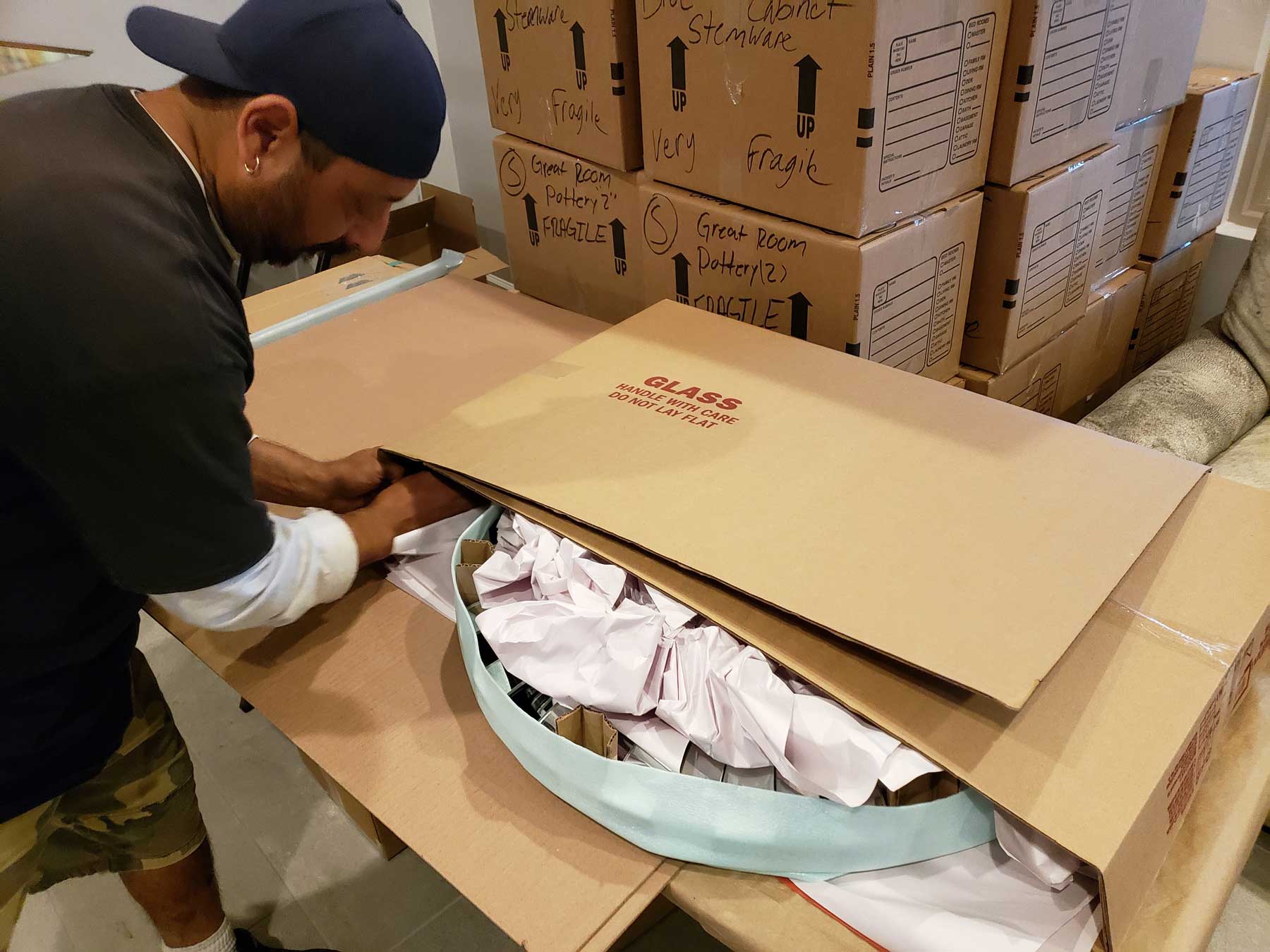
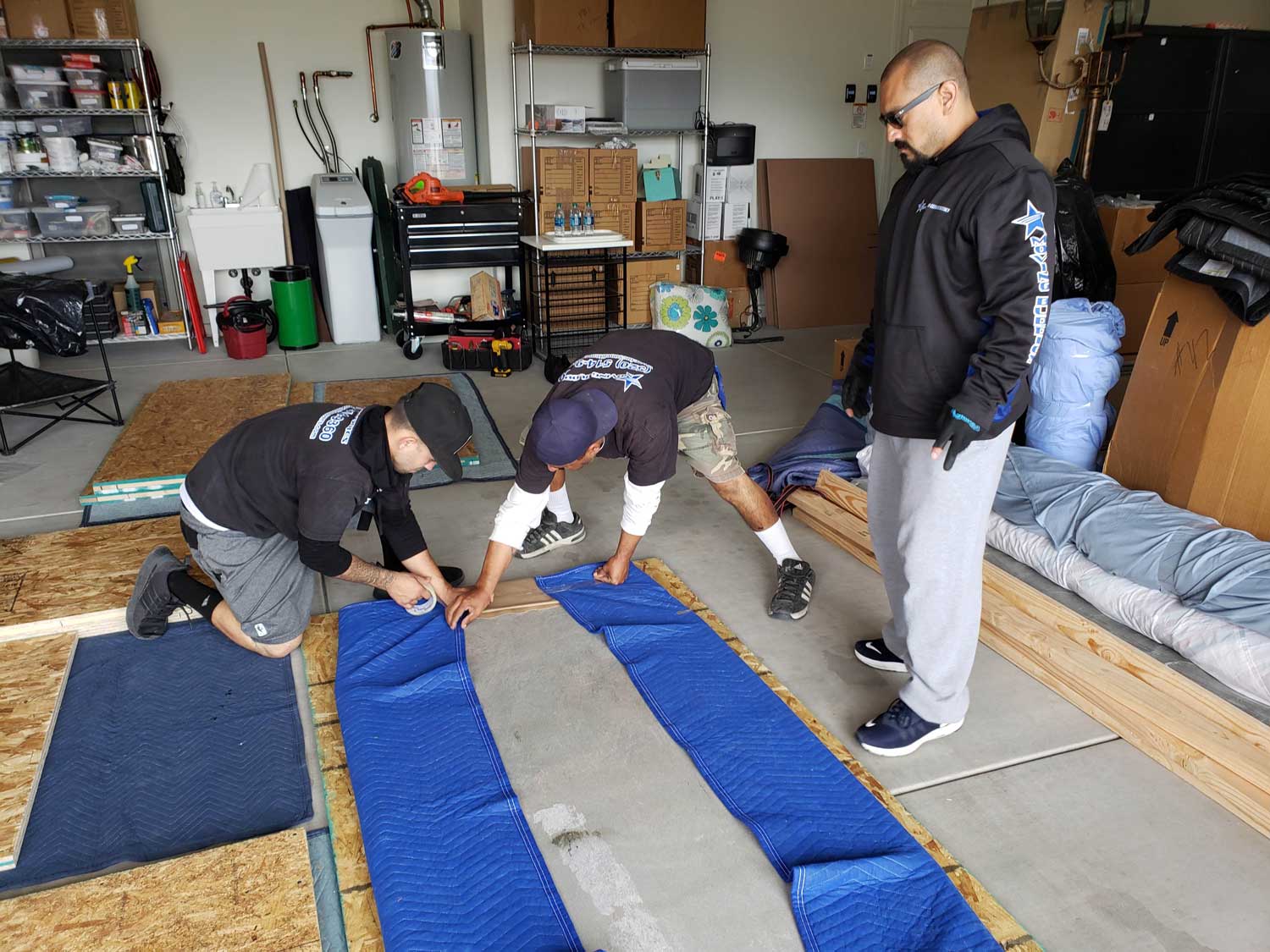
  • Wrapping or padding furniture
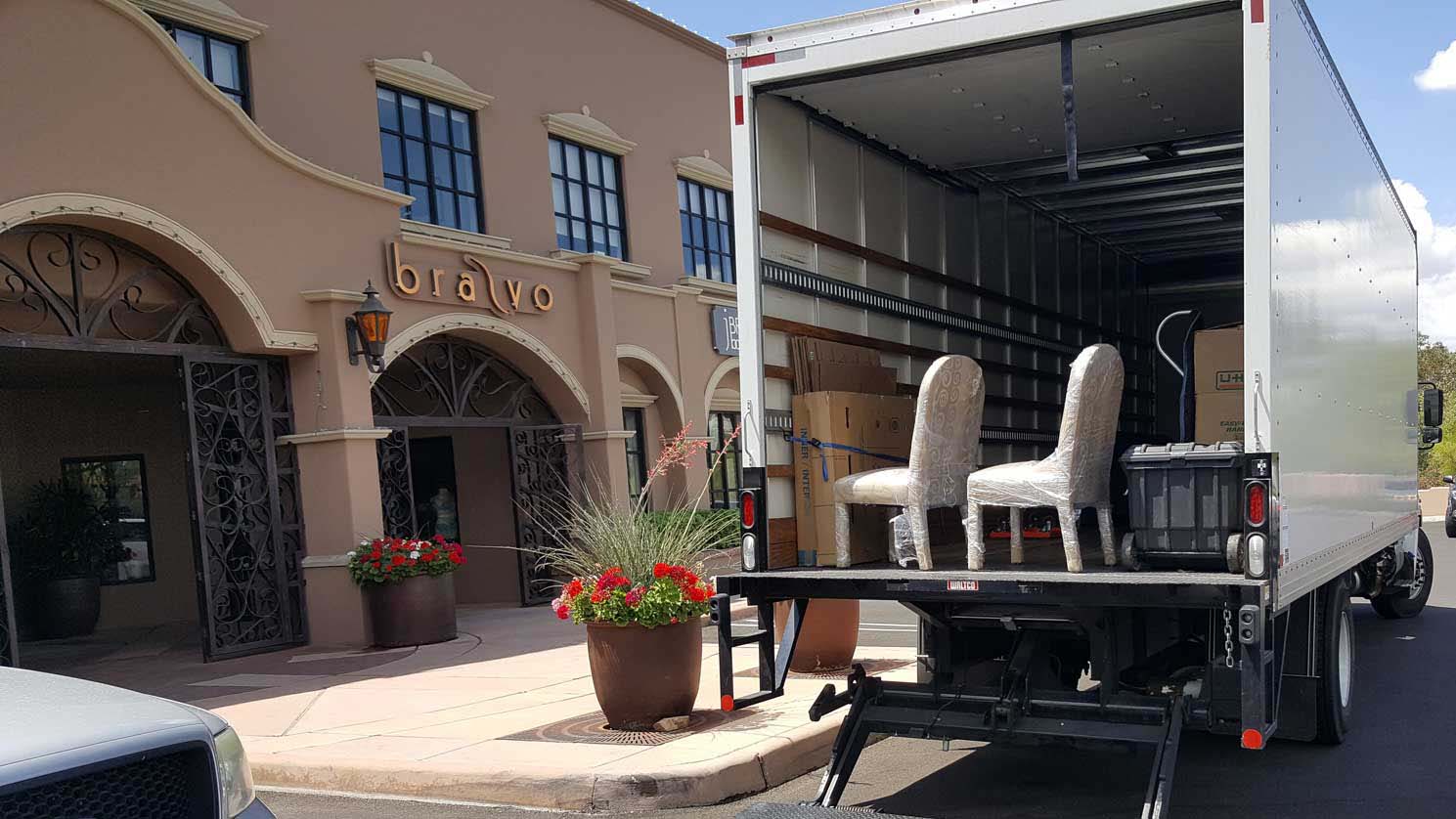
  • Loading rental moving trucks
  • Loading portable storage containers
  • Loading freight trailers
  • Loading customer-owned trailers or vehicles
  • Unloading trucks and containers
  • Placing items into designated rooms
  • Moving belongings into or out of storage
  • Reassembling selected furniture
  • Organizing items for safer transportation or storage

Packing, unpacking, crating, and packing materials can be discussed separately when additional help is needed.

Types of Equipment We Can Load or Unload

Rental Moving Trucks

Customers frequently hire loading help for rental trucks from national or local rental providers.

A moving crew can help:

  • Move belongings out of the home
  • Protect furniture before loading
  • Arrange items inside the cargo area
  • Stack boxes more efficiently
  • Use tie-down points when available
  • Reduce movement during transportation
  • Unload belongings at the destination

The customer remains responsible for renting, driving, fueling, and returning the vehicle.

Portable Storage Containers

Portable containers can provide flexibility for moving, remodeling, decluttering, and temporary storage. However, loading one correctly requires careful planning because the container may later be transported or stored for an extended period.

Our crew can help:

  • Position heavier items appropriately
  • Create stable layers
  • Protect furniture surfaces
  • Fill gaps that could allow shifting
  • Keep weight distributed as evenly as practical
  • Make better use of the available space
  • Leave access to selected items when requested

Customers should confirm the container provider’s rules, weight limits, prohibited items, and pickup requirements before loading begins.

Freight Trailers

Freight-trailer moving services may give customers several feet of trailer space, with charges based on the amount used.

Professional loading can be especially helpful because:

  • Space efficiency may affect cost
  • Belongings may travel a long distance
  • The trailer may be handled by multiple transportation providers
  • A secure divider may need to be installed
  • Weight distribution can affect stability

Customers should provide all available instructions from the freight company before the appointment.

Personal Trailers and Vehicles

Moving Buddies may also assist with suitable customer-owned trailers, vans, pickup trucks, or other vehicles.

Before service, we may need to know:

  • Vehicle type
  • Trailer dimensions
  • Loading height
  • Door dimensions
  • Weight capacity
  • Ramp availability
  • Tie-down points
  • Whether the equipment is enclosed
  • What items are being transported

Some vehicles or trailers may not be appropriate for certain furniture, appliances, or heavy items.

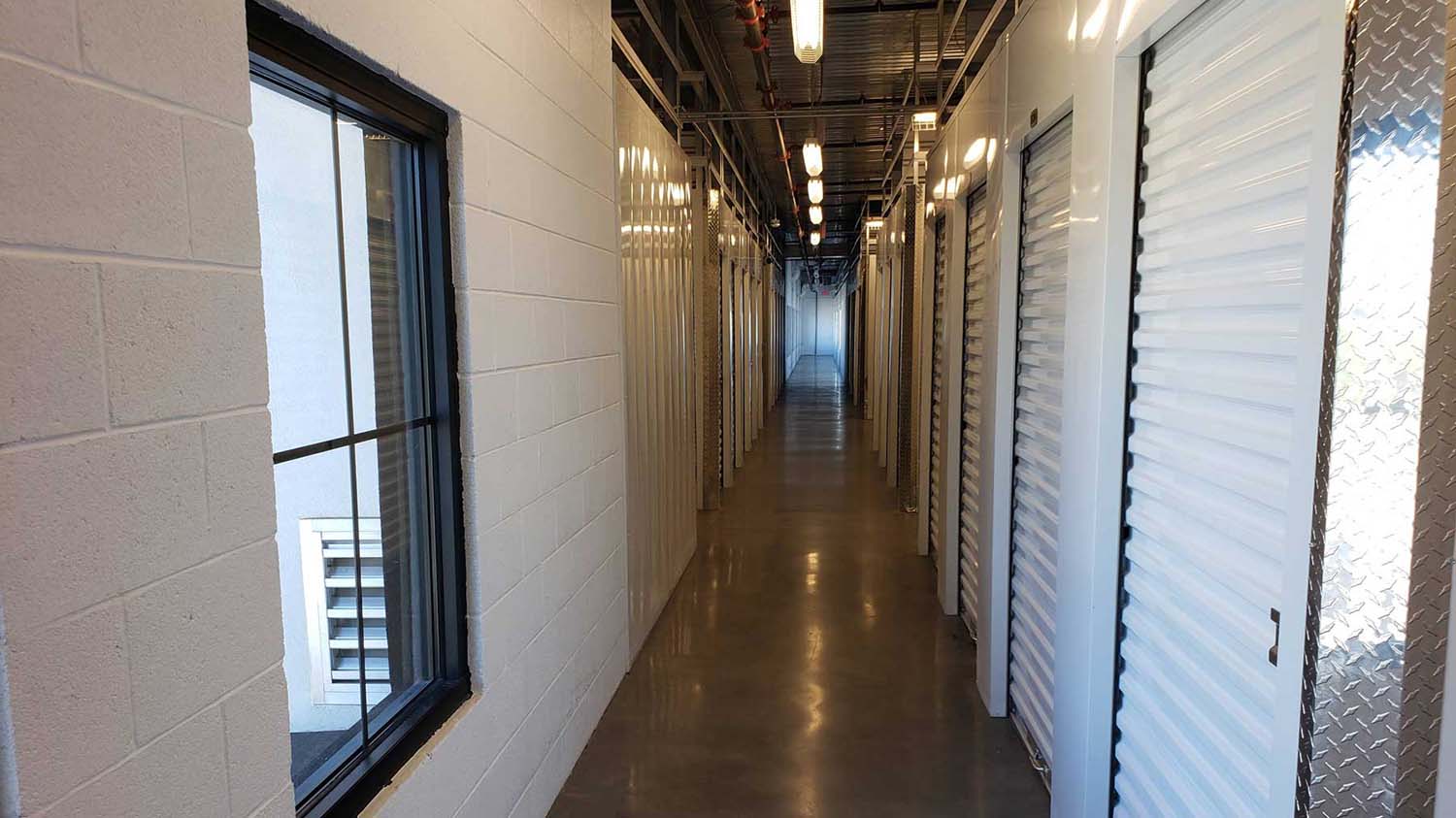
Storage Units

Loading and unloading help can also be used for:

  • Moving into storage
  • Removing items from storage
  • Transferring between storage units
  • Reorganizing an existing unit
  • Preparing stored belongings for transportation
  • Consolidating multiple storage spaces

Storage loading often requires a different approach than truck loading because long-term access, ventilation, stacking, and item retrieval may be important.

When Loading and Unloading Service Is Helpful

This service may be a good fit when:

  • You have already rented a moving truck
  • A portable container has been delivered
  • You are using a freight trailer
  • You need help moving into or out of storage
  • Friends or family are unavailable
  • The heaviest items are beyond your comfort level
  • You want to reduce the risk of personal injury
  • You need experienced help using limited cargo space
  • You are completing a do-it-yourself move
  • You only need help at one end of the move
  • Another company is providing transportation
  • You need labor for an in-home furniture rearrangement

It can also be useful for customers who want to handle the driving but prefer professional help with the physical work.

Loading Versus Unloading

Loading and unloading involve many of the same physical tasks, but the planning priorities are different.

Loading

Loading focuses on preparing belongings for transportation.

The crew must consider:

  • Weight distribution
  • Furniture protection
  • Stacking order
  • Item stability
  • Available floor and wall space
  • Fragile-item placement
  • Access to tie-down points
  • Which items should be unloaded first

The quality of the loading process can significantly affect how belongings arrive.

Unloading

Unloading focuses on removing belongings safely and placing them where the customer wants them.

The crew may need to consider:

  • Room assignments
  • Furniture placement
  • Stairways and narrow halls
  • Floor and doorway protection
  • Assembly needs
  • Which boxes require priority access
  • Whether the property is ready to receive the shipment

Clearly labeled boxes and a basic placement plan can make unloading more efficient.

How Moving Buddies Approaches Loading

Planning Before the First Item Goes In

Efficient loading starts before furniture reaches the truck or container. The crew may review:

  • The available cargo space
  • The shape and condition of the equipment
  • The inventory
  • The heaviest items
  • Fragile or high-value belongings
  • Furniture that can be disassembled
  • Items that need to remain accessible
  • The order in which items will be needed

A few minutes of planning can prevent major problems later in the load.

Building a Stable Base

Heavier and more durable items are generally used to create a stable foundation. Lighter and more fragile belongings are placed where they are less likely to be crushed.

The crew may use:

  • Large furniture
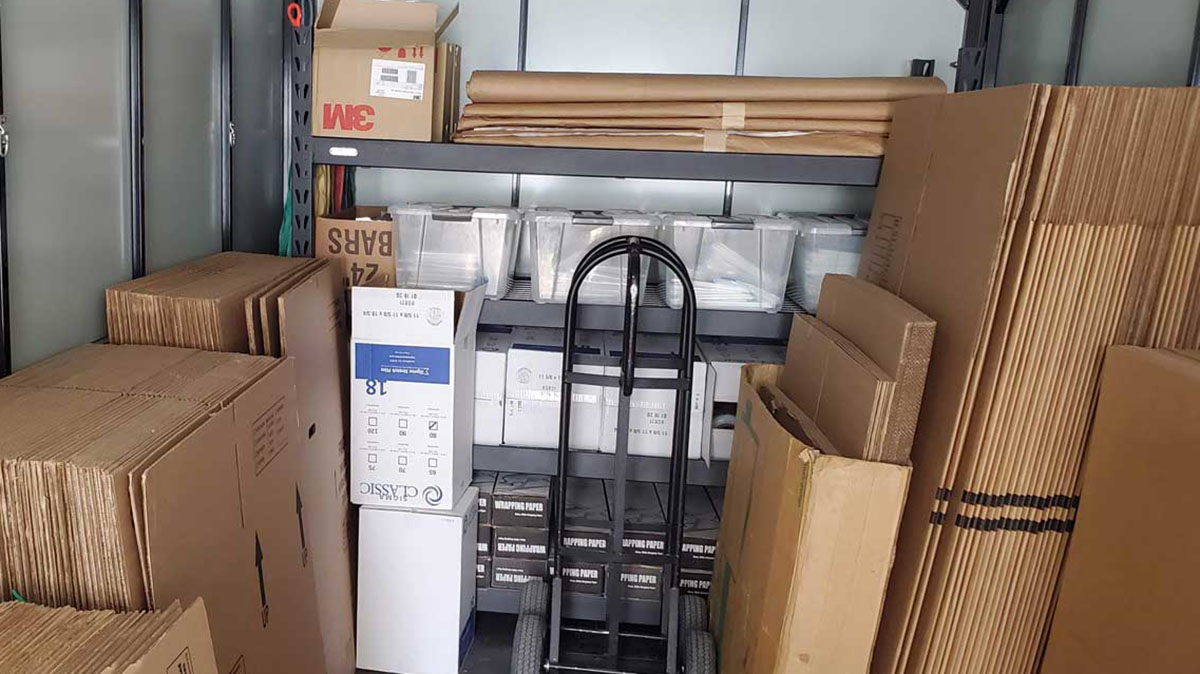
  • Strong, consistently sized boxes
  • Appliances
  • Mattresses
  • Wrapped flat items
  • Soft goods used as cushioning

The precise arrangement depends on the equipment and inventory.

Protecting Furniture

Furniture should not be placed directly against rough walls, metal surfaces, dirty floors, or unprotected neighboring items when avoidable.

Protection may include:

  • Moving blankets
  • Stretch wrap
  • Mattress covers
  • Corner protection
  • Packing paper
  • Foam
  • Cardboard
  • Tie-down straps

Protective materials should be available before the crew begins loading.

Reducing Empty Space

Large gaps allow belongings to shift during transportation. The crew may use boxes, soft goods, cushions, or other appropriate items to fill open spaces and create a tighter load.

The goal is not simply to fit everything inside. The load should also remain as stable as reasonably possible during transit.

Securing the Load

When the vehicle or container includes usable tie-down points, straps may help stabilize sections of the load.

Tie-downs can be used to:

  • Hold furniture against a wall
  • Secure completed sections
  • Prevent tall items from tipping
  • Reduce forward and backward movement
  • Separate fragile items from heavier belongings

The customer should confirm whether straps, ropes, locks, ramps, and other equipment are included with the rental.

How Moving Buddies Approaches Unloading

Reviewing the Destination

Before unloading begins, the crew may review:

  • Entry points
  • Parking location
  • Walking distance
  • Stairs
  • Elevators
  • Doorway dimensions
  • Furniture placement
  • Floor-protection needs
  • Building access rules
  • Time restrictions

The customer should identify any rooms or areas that are not ready to receive belongings.

Placing Items by Room

Boxes should be labeled clearly with their intended rooms. Furniture-placement decisions should ideally be made before the item enters the property.

Clear directions help reduce:

  • Repeated handling
  • Unnecessary carrying
  • Furniture rearrangement
  • Confusion at doorways
  • Additional labor time

A customer or authorized representative should remain available to answer placement questions.

Reassembly

Selected furniture may be reassembled when requested and when the required hardware, tools, instructions, and components are available.

Examples may include:

  • Bed frames
  • Tables
  • Basic shelving
  • Furniture legs
  • Removable mirrors
  • Other previously disassembled pieces

Complex installations, wall mounting, appliance connections, and specialized assembly may require a separate professional.

What the Customer Provides

Because this is a labor-only service, the customer generally provides the transportation equipment and related accessories.

Depending on the move, this may include:

  • Rental truck
  • Portable container
  • Trailer
  • Storage unit
  • Loading ramp
  • Moving blankets
  • Tie-down straps
  • Locks
  • Packing materials
  • Furniture covers
  • Hand-truck-compatible access
  • Parking permits
  • Building reservations
  • Elevator access

Moving Buddies may be able to provide or sell certain materials when arranged in advance, but availability should be confirmed before moving day.

Choosing the Correct Vehicle or Container Size

Professional movers can make efficient use of space, but loading skill cannot compensate for equipment that is too small.

When selecting a vehicle or container, consider:

  • Number of rooms
  • Amount of furniture
  • Number of boxes
  • Garage and patio contents
  • Appliances
  • Oversized items
  • Storage inventory
  • Whether items can be disassembled
  • Weight limits
  • Interior dimensions
  • Wheel-well intrusions
  • Door opening dimensions

Rental-company size estimates are general guidelines. A heavily furnished home may require more space than another home with the same number of bedrooms.

Preparing Furniture for Loading

Preparation before the crew arrives can reduce labor time and improve protection.

Recommended steps include:

  • Empty furniture drawers unless otherwise approved
  • Remove loose shelves
  • Secure cabinet doors
  • Remove fragile knobs or handles when necessary
  • Disconnect electronics
  • Drain approved appliances when required
  • Remove bedding from mattresses
  • Keep hardware in labeled bags
  • Identify items that should not be loaded
  • Photograph complicated furniture before disassembly
  • Place manuals and assembly instructions together

Do not place hardware loosely inside trucks, drawers, or containers.

Preparing Boxes

Boxes should be fully packed, closed, and taped before the loading crew arrives unless packing assistance has also been scheduled.

Well-prepared boxes should:

  • Be strong enough for the contents
  • Close flat at the top
  • Have securely taped bottoms
  • Contain minimal empty space
  • Be labeled by room
  • Avoid excessive weight
  • Keep fragile items properly cushioned
  • Remain dry and structurally sound

Open-top boxes, overloaded cartons, plastic grocery bags, and loosely packed containers are more difficult to stack and protect.

Items That May Require Special Planning

Some belongings may require additional equipment, preparation, crew members, or specialized service.

Examples include:

  • Pianos
  • Gun safes
  • Large safes
  • Pool tables
  • Oversized appliances
  • Commercial equipment
  • Large artwork
  • Glass tabletops
  • Marble or stone pieces
  • Aquariums
  • Exercise equipment
  • Motorized furniture
  • Antiques
  • Extremely heavy or unusually shaped items

These items should be disclosed before scheduling. Moving Buddies may need photographs, measurements, estimated weights, access details, or an on-site evaluation.

Items That Should Not Be Loaded

Moving trucks, containers, and storage facilities commonly restrict hazardous, flammable, perishable, or temperature-sensitive materials.

Restricted items may include:

  • Gasoline
  • Propane tanks
  • Ammunition
  • Explosives
  • Paint and certain chemicals
  • Pesticides
  • Compressed gases
  • Open liquids
  • Perishable food
  • Live plants
  • Medications
  • Important documents
  • Irreplaceable valuables
  • Items prohibited by the rental or storage provider

Customers should review the rules of the transportation and storage company before packing.

Access and Parking Considerations

The distance between the property and the truck or container can significantly affect labor time.

Important access details include:

  • Whether the vehicle can park near the entrance
  • Apartment or condominium restrictions
  • Gated-community access
  • Stairs
  • Elevators
  • Long hallways
  • Narrow doors
  • Steep driveways
  • Uneven ground
  • Loading docks
  • Parking permits
  • Street restrictions
  • Height limitations
  • Storage-facility gate hours

These conditions should be discussed before scheduling so that the appropriate time and equipment can be planned.

Portable-Container Placement

The placement of a portable container affects both safety and efficiency.

Whenever possible, the container should be:

  • On a firm, level surface
  • Close to the primary entrance
  • Positioned with usable door clearance
  • Free from overhead obstructions
  • Accessible without crossing landscaping
  • Located where ramps and equipment can be used safely
  • Placed in compliance with neighborhood or property rules

Customers are responsible for coordinating delivery and placement with the container provider.

Preparation Tips

Before the crew arrives:

  • Complete packing unless packing service is scheduled
  • Label boxes by destination room
  • Reserve the truck, container, or storage unit
  • Confirm equipment dimensions and capacity
  • Obtain enough moving blankets and tie-down straps
  • Clear walkways
  • Remove trip hazards
  • Arrange parking
  • Reserve elevators
  • Disassemble simple furniture when appropriate
  • Separate prohibited items
  • Keep children and pets away from work areas
  • Identify priority and fragile items
  • Have someone available to direct the crew

At the unloading location, create a simple room plan and decide where major furniture will go.

Factors That Affect Service Time

Loading and unloading time depends on more than the number of rooms.

Important factors include:

  • Total inventory
  • Number of boxes
  • Furniture size and weight
  • Amount of disassembly
  • Quality of packing
  • Walking distance
  • Stairs
  • Elevator availability
  • Parking access
  • Truck or container size
  • Loading height
  • Ramp condition
  • Weather
  • Crew size
  • Number of fragile or specialty items
  • Customer readiness
  • Furniture-placement decisions

Accurate information helps Moving Buddies recommend an appropriate crew and appointment window.

Getting an Accurate Estimate

To receive a more accurate loading or unloading estimate, be prepared to provide:

  • Pickup and destination addresses
  • Requested service date
  • Whether you need loading, unloading, or both
  • Type and size of truck, trailer, or container
  • Number of rooms
  • Approximate box count
  • List of major furniture and appliances
  • Details about heavy or specialty items
  • Number of stairs
  • Elevator availability
  • Walking distance
  • Parking conditions
  • Storage-unit size
  • Whether furniture requires disassembly
  • Whether protective materials are available
  • Photographs or video of the inventory when requested

Moving Buddies Tucson AZ can then help determine the likely labor requirements and identify any preparation needed before the appointment.

Moving Solutions Tailored for You

Ready To Begin Your Journey? Our
Experts Are Here To Help.
GET A QUOTE