
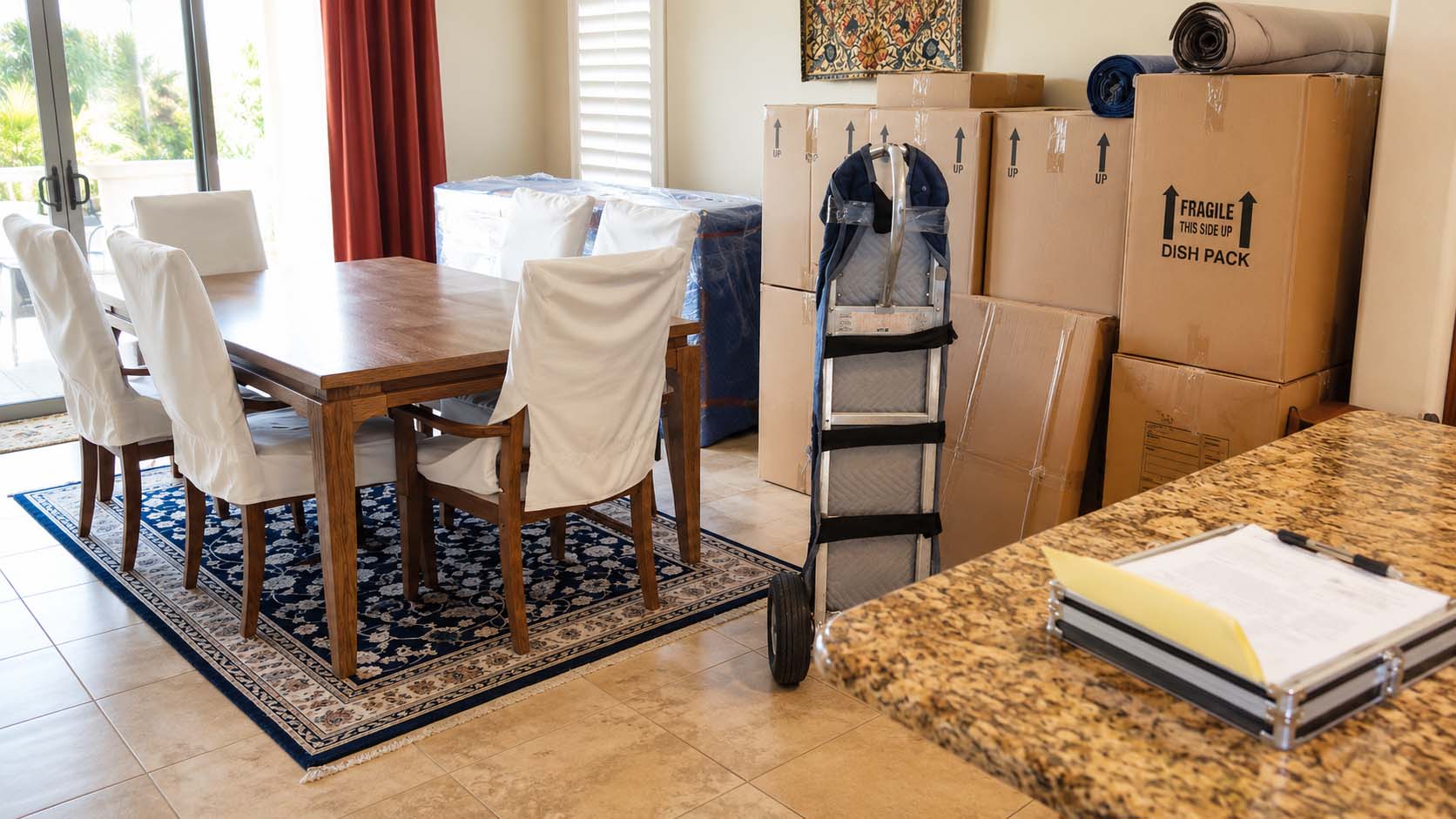
A residential move involves far more than transporting furniture and boxes from one address to another. It requires scheduling, packing, budgeting, coordination, and dozens of small decisions that can affect the entire moving experience.
Whether you are moving from an apartment, condominium, townhouse, or single-family home, careful preparation can reduce stress, control costs, and help protect your belongings.
The following residential moving tips will help you organize the process, avoid common mistakes, and prepare for a smoother moving day.
One of the most common moving mistakes is waiting too long to begin.
For most residential moves, planning should begin at least six to eight weeks before the moving date. Larger homes, long-distance relocations, complicated closings, and moves involving storage may require more time.
Begin by creating a moving checklist that includes:
Breaking the move into smaller tasks makes the process easier to manage and reduces the chance that important details will be overlooked.
Your moving date can affect price, availability, traffic, and convenience.
Weekends, holidays, summer months, and the beginning and end of each month are often the busiest moving periods. If you have flexibility, a weekday or mid-month move may provide more scheduling options.
Consider:
In Tucson and southern Arizona, summer heat is also an important consideration. Earlier start times may help reduce heat exposure and improve working conditions.
Moving expenses can extend beyond the cost of hiring a moving company.
Your budget may need to include:
Set aside additional funds for unexpected expenses. Delays, access problems, additional packing, schedule changes, and storage needs can all affect the final cost.
When comparing estimates, review what is included instead of choosing based only on the lowest advertised price.
Moving unnecessary belongings wastes time, packing materials, labor, and truck space.
Before packing, sort your belongings into categories:
Focus on clothing you no longer wear, duplicate kitchen items, unused furniture, expired products, outdated electronics, old paperwork, and belongings that have not been used in several years.
Decluttering before the move also makes unpacking easier because fewer unwanted items enter the new home.
A residential moving inventory helps you understand the size of the move and communicate accurately with your moving company.
Record:
Photograph valuable or fragile items before packing.
An accurate inventory can improve estimate quality, help identify items that require special preparation, and make it easier to verify that everything arrived at the destination.
Choosing the right moving company is one of the most important parts of a residential move.
Look for a company that is:
Ask each mover:
Be cautious of unusually low estimates, vague contracts, large cash deposits, or companies that refuse to provide written information.
A moving estimate is only as reliable as the information provided.
Tell the mover about:
Update the company if the inventory or access conditions change.
Adding a large number of items after the estimate can increase labor, equipment needs, truck space, and total cost.
Weak or damaged boxes can collapse, tear, or become difficult to stack.
Common residential packing materials include:
Use small boxes for dense items such as books, canned goods, tools, and dishes. Use larger boxes for lighter items such as pillows, bedding, and lampshades.
Avoid overloading boxes. Each box should be strong enough to hold its contents and manageable enough to carry safely.
Room-by-room packing is more organized than placing unrelated items into random boxes.
Begin with belongings you use infrequently, including:
Pack frequently used items closer to moving day.
Label each box with:
For example:
Primary Bedroom — Bedding and Linens — Open First
Numbering boxes and recording them on an inventory list can add another layer of organization.
Many movers cannot transport certain hazardous, flammable, corrosive, or explosive materials.
These may include:
Ask your moving company for its prohibited-items list before packing.
Dispose of restricted materials responsibly rather than placing them into boxes without informing the mover.
Fragile items should be wrapped individually and packed tightly enough to prevent movement.
Use packing paper, proper boxes, dividers, and cushioning materials for:
Pack plates vertically rather than stacking them flat.
Do not leave empty space inside fragile boxes. Movement during loading and transportation is one of the primary causes of damage.
Mark fragile boxes clearly, but remember that proper packing is more important than the label alone.
Some belongings should not be placed on the moving truck.
Personally transport:
Place these items in a secure container that remains under your control throughout the move.
Furniture should be emptied before the moving crew arrives.
Remove:
Furniture may also need to be disassembled.
Common items requiring preparation include:
Place screws, bolts, and hardware into labeled bags. Attach the bags securely to the corresponding furniture or keep them together in a dedicated hardware box.
Do not apply tape directly to finished wood, leather, painted surfaces, or delicate materials.
Appliances should be disconnected and prepared before moving day unless professional appliance services have been arranged.
For refrigerators and freezers:
For washing machines:
Gas dryers and other gas appliances may require professional disconnection.
Follow manufacturer recommendations before moving or reconnecting appliances.
An essentials box contains the items you will need immediately after arriving at the new home.
Include:
Keep this box with you or make sure it is loaded last and unloaded first.
Each household member may also benefit from packing a personal overnight bag.
Moving day can be noisy, busy, and unsafe for children and animals.
Open doors, moving equipment, heavy furniture, and vehicle traffic can create unnecessary risks.
Arrange for children and pets to stay with:
If they must remain at the home, designate a secure room away from the moving activity.
Keep food, medication, comfort items, leashes, carriers, and other necessary supplies accessible.
Moving crews need safe, practical access to both the origin and destination.
Confirm:
Notify property managers, homeowners associations, landlords, or building management when necessary.
Removing vehicles from driveways and loading areas before the crew arrives can save time.
The home should be fully prepared before the scheduled arrival time.
Before the movers arrive:
Moving day is not the ideal time to finish packing closets, kitchen cabinets, or storage rooms.
Last-minute packing can delay the move and increase labor costs.
Residential moves can place walls, doorframes, railings, and floors at risk.
Use:
Professional movers may provide some protective materials, but the exact level of protection should be discussed in advance.
Clear narrow areas and remove fragile decorations from walls before moving large furniture through the home.
At the beginning of the move, walk through the property with the crew leader.
Point out:
Keep instructions clear and consistent.
When several people give conflicting directions, mistakes and delays become more likely.
Do not block:
At the destination, identify where major furniture should be placed before unloading begins.
Repeatedly repositioning large furniture increases labor and the risk of property damage.
Before leaving the old home, inspect every area carefully.
Check:
Confirm that all belongings have been removed.
Take photographs of the empty property when appropriate, especially for rentals or real estate transactions.
Make sure windows are closed, lights are off, and doors are locked.
Have someone available at the destination to direct the moving crew.
Use clear room names and consider placing labels on bedroom doors.
Ask movers to place boxes in the correct rooms rather than stacking everything in a garage or living area.
Inspect furniture and major belongings as they are delivered. Report visible damage or missing items promptly and follow the mover’s claims procedures when necessary.
You do not need to unpack the entire home immediately.
Begin with:
Complete one room at a time when possible.
Break down boxes as they are emptied and set aside reusable packing materials.
A structured approach prevents the new home from becoming overwhelmed with open boxes and loose belongings.
Update your address with:
Transfer or cancel:
Keep confirmation numbers and final bills until the transition is complete.
Avoid these frequent problems:
Most moving problems can be reduced through preparation and clear communication.
A successful residential move begins with a realistic plan.
Starting early, reducing clutter, creating an accurate inventory, using proper packing materials, hiring a qualified moving company, and preparing both homes can make the process more efficient and predictable.
Moving Buddies Tucson AZ provides residential moving services for apartments, condominiums, townhouses, single-family homes, senior living communities, and other residential properties.
From packing and furniture preparation to loading, transportation, unloading, and final placement, professional movers can help simplify every stage of your relocation.
Contact Moving Buddies Tucson AZ to discuss your move, request an estimate, and begin planning your moving-day logistics.

A practical guide to managing the overlapping timelines of selling a home, purchasing another property, and completing the physical move.

A step-by-step guide to preparing a Tucson-area home for sale, from repairs and decluttering to photography, showings, and moving logistics.

A practical comparison of buying first and selling first, including financing, timing, negotiation, temporary housing, and moving considerations.



.svg)
