
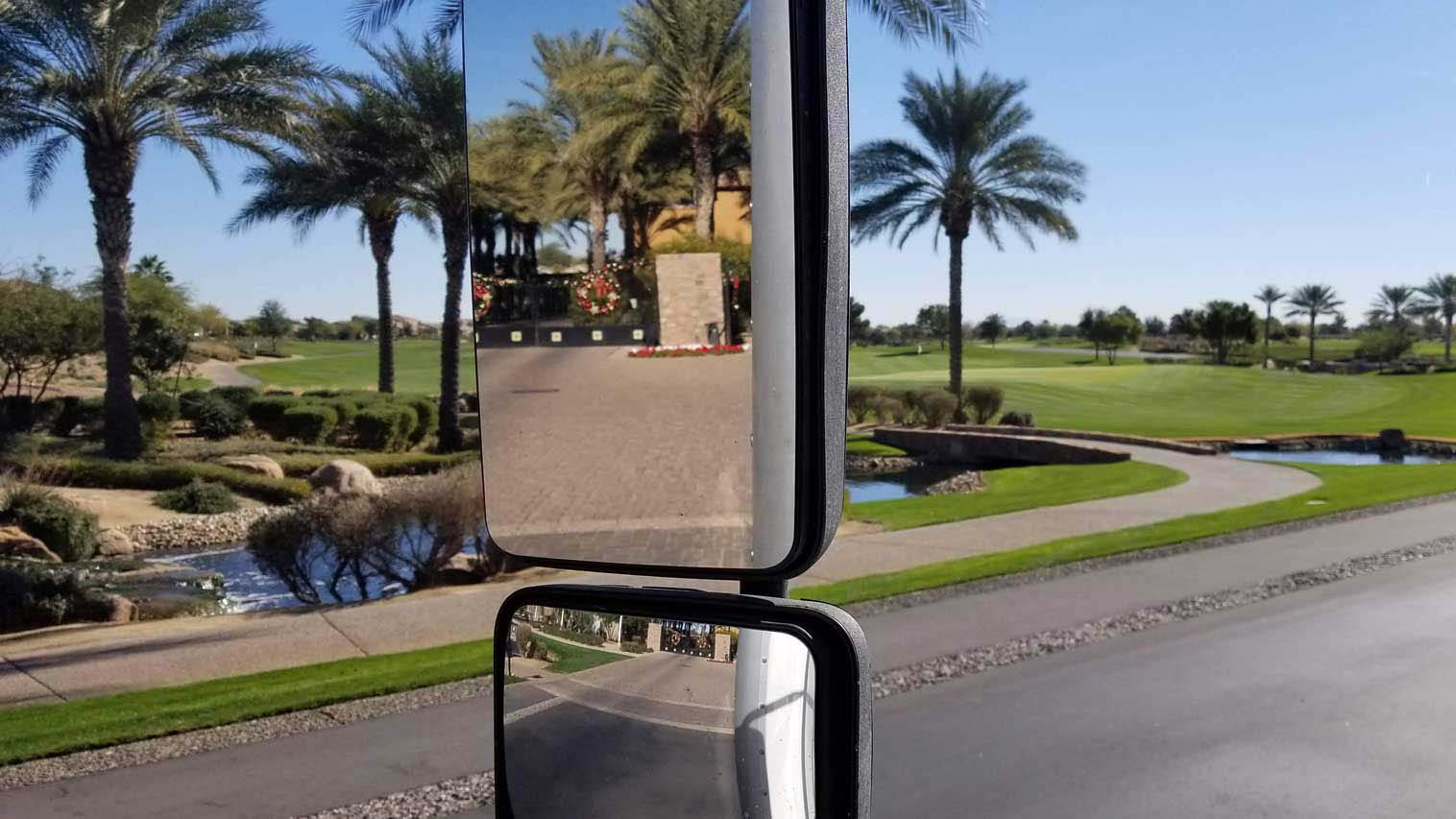
Choosing where to live in the Tucson area requires more than comparing home prices.
Tucson is geographically broad, and its neighborhoods differ in architecture, lot size, age, elevation, amenities, commute patterns, and proximity to outdoor recreation.
The best area is not determined by a single ranking. It depends on how the location supports your daily routine, housing preferences, transportation needs, and long-term plans.
This guide introduces several major areas of Tucson and explains the practical factors to evaluate before choosing a neighborhood.
Before comparing neighborhoods, identify the locations you will visit regularly.
These may include:
Tucson travel often involves major surface streets rather than freeways.
A neighborhood may be relatively close in distance but less convenient because of traffic patterns, construction, railroad crossings, or limited east-west routes.
Test the drive during the times you expect to travel.
Central Tucson includes many established neighborhoods near downtown, the University of Arizona, major medical facilities, restaurants, shopping, and cultural destinations.
Housing may include:
Central locations may appeal to people who value proximity to employment, entertainment, restaurants, and established urban areas.
Potential considerations include:
Buyers considering older homes should inspect electrical, plumbing, roofing, sewer, cooling, and structural systems carefully.
Downtown Tucson has experienced significant redevelopment and includes apartments, condominiums, restaurants, entertainment venues, offices, and historic buildings.
A downtown location may offer:
It may also involve:
Downtown living is significantly different from suburban or rural Tucson, so buyers and renters should visit at different times of day.
Midtown generally offers established neighborhoods with central access to multiple parts of the city.
Housing styles may include:
Midtown can provide a balance between urban convenience and traditional residential living.
The condition of homes can vary widely. Some have been fully renovated, while others retain older mechanical systems and original layouts.
East Tucson includes established neighborhoods, subdivisions, commercial corridors, and access to outdoor recreation.
Residents may value:
Travel to downtown, northwest Tucson, or Interstate 10 may take additional time, depending on the location.
Buyers should evaluate commute routes carefully rather than relying only on mileage.
Northeast Tucson and the Catalina Foothills include elevated terrain, desert landscapes, mountain views, custom homes, gated communities, condominiums, and established residential areas.
Properties may offer:
Practical considerations can include:
Moving trucks and service vehicles may face access limitations on narrow or steep roads. These conditions should be disclosed before scheduling a move.
Northwest Tucson includes residential areas extending toward Oro Valley, Marana, and the Interstate 10 corridor.
Housing ranges from older subdivisions to newer planned communities.
Residents may have access to:
Northwest Tucson can be convenient for people whose work or daily activities are concentrated on that side of the metropolitan area.
Travel to east Tucson or Vail may require substantial cross-town driving.
Oro Valley is located north of Tucson near the Catalina Mountains.
The community includes:
Oro Valley is known for mountain views, outdoor access, community amenities, medical facilities, and organized development.
Homeowners associations are common in many neighborhoods.
Buyers should review:
Commute time to central Tucson depends heavily on the specific location and daily schedule.
Marana covers a large area northwest of Tucson and includes both established rural sections and newer master-planned developments.
Housing options may include:
Marana may appeal to buyers looking for newer homes, community amenities, interstate access, or additional space.
Because Marana is geographically extensive, two properties with a Marana address can have very different surroundings and commute patterns.
Evaluate each location individually.
Vail is southeast of Tucson and has experienced substantial residential development.
The area includes:
Buyers may consider Vail for newer homes, open space, and residential development.
Important considerations include:
Some areas may feel more suburban, while others remain relatively rural.
Sahuarita is south of Tucson along Interstate 19.
The community includes planned developments, established neighborhoods, and access to services serving the southern metropolitan area.
Potential advantages may include:
People who work in central or north Tucson should evaluate commute time carefully.
Green Valley is south of Tucson and includes planned communities, golf properties, townhomes, condominiums, and detached homes.
The area is known for organized community amenities and access to services within the Interstate 19 corridor.
Properties may have:
Buyers should review all applicable restrictions and fees before making a decision.
The Tucson region includes rural and semi-rural areas where properties may offer larger lots, fewer nearby neighbors, and greater privacy.
These homes may also require additional research.
Potential considerations include:
Rural properties can offer valuable space and flexibility, but ownership responsibilities may be significantly different from those in a planned subdivision.
Tucson homes range from newly built properties to homes that are many decades old.
Older homes may offer:
They may also require:
New construction may provide modern systems and warranties but can involve:
Compare the total ownership picture rather than focusing only on appearance.
HOA rules can materially affect how a property is used.
Review restrictions related to:
Also review the association’s financial condition, reserve funding, pending assessments, and enforcement practices.
Tucson-area communities continue to change.
Vacant land near a property may eventually become:
Research current zoning, planned roads, and surrounding development when possible.
Future development may improve convenience, but it may also change traffic, noise, views, and neighborhood character.
A neighborhood can feel different depending on the time and day.
Visit during:
Pay attention to:
A single showing provides only a limited view.
Choosing a Tucson neighborhood requires balancing location, housing style, maintenance, commute, amenities, and long-term goals.
There is no universally correct area.
The strongest choice is the location that supports your actual daily routine while fitting your financial and property preferences.
Once you have selected a home, Moving Buddies Tucson AZ can help coordinate your move throughout Tucson, Oro Valley, Marana, Vail, Sahuarita, Green Valley, and surrounding communities.
Contact Moving Buddies Tucson AZ to discuss local moving services, packing assistance, furniture preparation, and moving-day logistics.

A practical guide to managing the overlapping timelines of selling a home, purchasing another property, and completing the physical move.

A step-by-step guide to preparing a Tucson-area home for sale, from repairs and decluttering to photography, showings, and moving logistics.
A practical comparison of buying first and selling first, including financing, timing, negotiation, temporary housing, and moving considerations.



.svg)
